Style & Context
Influences
DIY punk zine aesthetics, confessional photography, indie album minimalism
Location
Minneapolis indie rap scene embraced vulnerability years before Drake made it commercially acceptable in mainstream hip-hop.
Visual Language
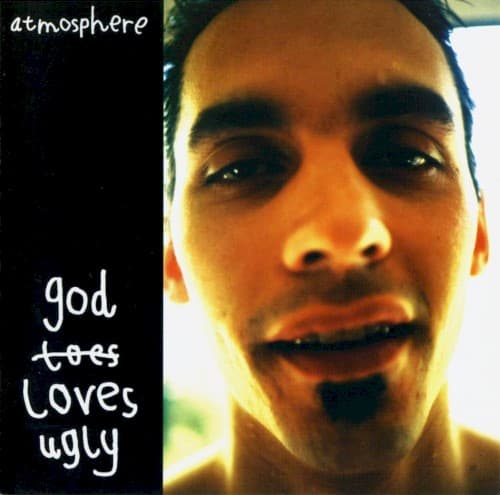
The raw photographic approach mirrors the stripped-down production style Ant used throughout the album's beats.
Symbols
Crossed-out 'toes'
The handwritten correction shows real-time vulnerability and imperfection as artistic statement rather than polished concept.
Extreme facial proximity
The uncomfortably close framing forces listeners into Slug's headspace with no emotional distance or escape route.
Upward camera angle
Shooting from below transforms the everyday portrait into something spiritual, elevating the ugly into the divine.
Where Sound Meets Image
The claustrophobic framing mirrors the album's internal monologue structure, where Slug dissects failed relationships and personal demons over Ant's melancholic loops. The warm lighting contradicts the dark subject matter, just as tracks like 'Fuck You Lucy' wrap brutal honesty in almost pretty production. The corrected handwriting reflects the album's theme of acknowledging flaws rather than hiding them, visible in lyrics that document mistakes without seeking forgiveness or redemption.
This cover established the template for emo rap and confessional hip-hop aesthetics that would dominate a decade later. The extreme intimacy and DIY text treatment influenced countless underground rappers who rejected commercial polish for authentic self-presentation. Artists from Mac Miller to $uicideboy$ would later adopt similar unguarded visual approaches when exploring mental health and vulnerability in their music.