Style & Context
Influences
religious iconography, Tupac's shirtless vulnerability, Renaissance portraiture lighting
Location
Queensbridge projects loom invisible here, replaced by celestial imagery that elevates street narratives to universal themes.
Visual Language
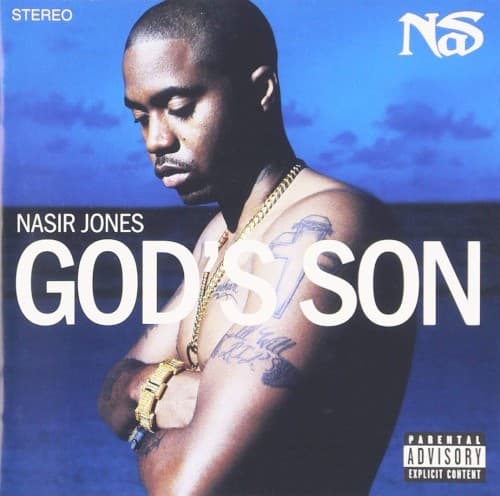
The lighting creates a halo effect around Nas while shadows define musculature and tattoo details cinematically.
Symbols
Shirtless torso with visible tattoos
Physical vulnerability displays the emotional exposure throughout the album's confessional narratives.
Gold Jesus piece pendant
Christianity intersects with street credibility, positioning Nas as both believer and hood theologian.
Upward gaze and profile angle
The posture suggests prayer or communion with something higher than earthly rap battles.
Where Sound Meets Image
The exposed skin mirrors the album's emotional nakedness on tracks like 'Dance' where Nas eulogizes his mother with devastating honesty. Blue heaven tones match the melancholic soul samples and introspective production throughout. The divine positioning reflects lyrics where Nas grapples with legacy, righteousness, and his role as both street reporter and moral voice, particularly on the title track's examination of faith amid violence.
This cover established vulnerability as strength in hip-hop visuals, influencing countless rappers to strip away jewelry and posturing for authentic emotional presentation. The religious framing without traditional Christian kitsch created a template for spiritual hip-hop imagery that honors faith without pandering. The composition's simplicity let Nas's expression and body language communicate complexity, proving album art didn't need elaborate concepts to convey depth.