Style & Context
Influences
classic portraiture, R&B album aesthetics, confessional visual storytelling
Location
This Queensbridge native's cover transcends geography to explore universal relationship struggles that aging hip-hop listeners increasingly faced themselves.
Visual Language
The formal photographic setup borrows from soul and R&B traditions where artists bare their emotional wounds through carefully composed vulnerability.
Symbols
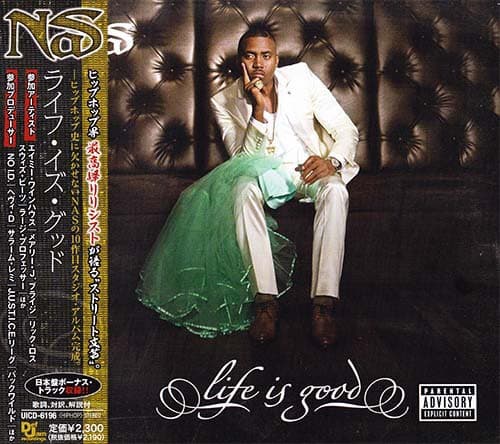
Kelis's wedding dress
The physical remnant of a failed marriage becomes a meditation on love, loss, and the courage to examine mistakes publicly.
All-white suit
White traditionally symbolizes fresh starts, suggesting Nas has processed the divorce and emerged ready to rebuild his life.
Tufted leather couch
The classic bachelor-pad furniture signals a return to solitude while maintaining the trappings of success and stability.
Where Sound Meets Image
The album chronicles Nas's divorce from Kelis with brutal honesty across tracks like 'Bye Baby' and 'Daughters,' where he examines failed relationships and parenting struggles. The cover's vulnerability mirrors lyrics that admit mistakes rather than deflect blame. The white suit and composed demeanor reflect the album's overall tone—hurt but not broken, reflective but not bitter. Where earlier Nas albums like Illmatic showed a young prophet, this cover presents a man reckoning with the complexity of adult life beyond street narratives.
This cover helped normalize emotional vulnerability in hip-hop visual culture, proving male rappers could discuss relationship failures without losing credibility. The dress became one of hip-hop's most talked-about cover elements, spawning countless memes and discussions about masculinity in rap. Its confessional directness influenced subsequent artists to use album covers for personal storytelling rather than purely aspirational imagery.