Style & Context
Influences
Gordon Parks, documentary photography, Chicago realism, visual poetry
Location
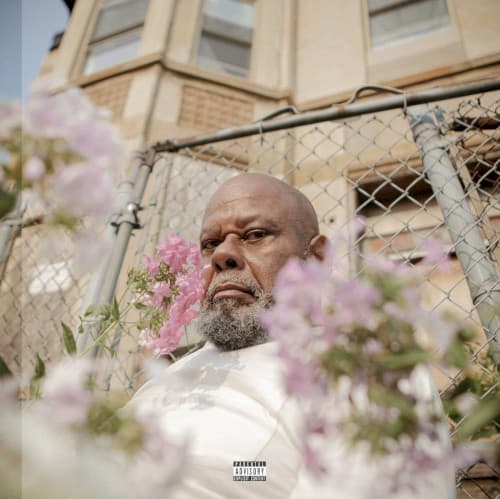
The architectural details and chain-link aesthetic reflect South Side Chicago's working-class blocks and project developments.
Visual Language
Shallow depth of field blurs the flowers into dreamy foreground elements while keeping Saba's contemplative expression sharp.
Symbols
Pink flowers in foreground
They represent fragile beauty and hope emerging from Chicago's toughest environments, blooming despite adversity.
Chain-link fence
The barrier symbolizes systemic obstacles facing South Side communities while framing Saba's perspective outward.
Weathered apartment building
The aged structure embodies generational struggles and the weight of history Saba carries forward.
Where Sound Meets Image
The visual perfectly mirrors the album's sonic palette of jazz-infused, lo-fi production and deeply personal storytelling. Just as the flowers soften the urban harshness, Saba's introspective lyrics and soul samples create warmth within difficult subject matter. The composition's stillness reflects tracks exploring meditation, therapy, and healing. The fence separating Saba from the viewer echoes the emotional barriers he examines throughout the project, while the flowers represent the 'few good things' worth protecting and celebrating.
This cover helped shift Chicago hip-hop's visual language toward vulnerability and softness during an era dominated by militant aesthetics. The use of flowers in urban photography has influenced subsequent conscious rap releases, offering an alternative to the hypermasculine imagery that typically defines the genre. By presenting strength through stillness and beauty through contrast, it expanded the visual vocabulary available to introspective rappers documenting their neighborhoods.