Chicago's Introspective Voice: Saba's Rise Through Personal Testimony
Saba Pivot emerged from Chicago's South Side with a sound that refuses easy categorization. Where drill dominated the city's mid-2010s narrative, Saba carved space for vulnerability wrapped in technical precision. His work feels like therapy sessions set to jazz loops and boom-bap breaks — not confessional for spectacle, but raw examination of grief, growth, and Black life in America's segregated urban landscape.
The Pivot Gang collective shaped his early identity, a crew of childhood friends including his late cousin John Walt whose 2017 death became a defining trauma processed across Saba's subsequent work. That loss transformed his approach from promising young lyricist to someone mining pain for meaning. His verses carry the weight of someone who survived what statistics said he shouldn't, documenting it with journalist's clarity and poet's imagery.
Saba's music operates in conversation with Chicago's conscious rap lineage — Common's warmth, Lupe Fiasco's complexity, Chance the Rapper's optimism — while adding his own melancholic texture. He builds songs like architectural models, each element intentional, nothing wasted. Live instrumentation bleeds into sample-based production. Sung hooks dissolve into rapid-fire technical displays. The result feels literary without pretension, accessible without pandering.
Jazz Textures and Narrative Precision: Deconstructing Saba's Sonic Approach
Saba's production aesthetic leans heavily into jazz's improvisational spirit filtered through hip-hop's structural discipline. Tracks frequently open with deceptive simplicity — a piano phrase, a bass walk, scattered drums — before layering becomes architectural. He favors live instrumentation or samples convincingly organic, creating spaces that breathe rather than suffocate under digital maximalism. The Pivot Gang's in-house producers including Saba himself and collaborators like daedaePIVOT and Phoelix craft soundscapes where horns punctuate emotional peaks and Rhodes keyboards provide melancholic foundation.
Vocally, Saba operates across multiple registers with minimal warning. He can stack syllables in double-time patterns that recall Chicago's chopper tradition, then slow to conversational pacing where every word lands deliberately. His voice carries natural rasp that intensifies with subject matter — smooth and controlled during observational verses, strained and urgent when processing trauma. The melodic sensibility developed across his career shows Midwestern R&B influence, hooks that sit between singing and rhythmic chanting.
Rhythmic pocket shifts define his technical signature. Saba rarely rides beats conventionally, instead finding syncopated entry points that create tension against the instrumental. A verse might start behind the kick, accelerate into the snare's space, then land emphatically on the one when delivering the thesis statement. This approach rewards repeated listening as patterns initially seeming off-kilter reveal intentional design. Production choices on Few Good Things — his 2022 project rated 8.3 — showcase this evolution, warm soul samples meeting crisp modern drums, strings swelling beneath stories of survival and community.
From Pivot Gang to Solo Recognition: Charting Saba's Artistic Evolution
Saba's recorded output began circulating in the early 2010s through Chicago's interconnected underground. GoodSense Studios became his laboratory, the West Side space where Pivot Gang developed their collective sound away from industry pressure. Early mixtapes like GETCOMFORTable established his wordplay and conceptual ambition, but lacked the sonic cohesion that would define later work. These projects introduced a rapper clearly influenced by Slum Village's production warmth and Little Brother's everyman perspective, still finding his distinct lane.
Bucket List Project arrived in 2016 as his proper debut, a statement of intent that balanced technical showmanship with personal narrative. The project caught attention beyond Chicago's borders, its production lush and varied, Saba's writing sharpening around themes of ambition and mortality. Tracks like "Stoney" and "GPS" featuring Twista demonstrated range — introspective storytelling alongside hometown legend validation. The tape positioned him within Chicago's progressive rap sphere alongside Chance the Rapper and Noname, artists rejecting gangster posturing for different forms of truth-telling.
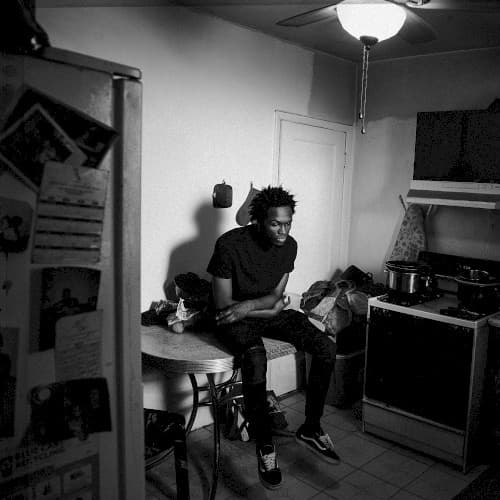
Then came CARE FOR ME in 2018, the album that redefined Saba's career and artistic purpose. Created in the aftermath of cousin Walter Long Jr.'s murder, the project transformed grief into 45 minutes of devastating beauty. "PROM / KING" stands as its emotional center, a seven-minute narrative that builds from nostalgic teenage memory to violent tragedy, Saba's voice cracking as he recounts the phone call that changed everything. The album's production — handled largely by daedaePIVOT, Phoelix, and Saba himself — mirrors psychological states through sound design. Pianos feel hesitant, drums scatter anxiously, strings swell at moments of realization.
CARE FOR ME established Saba as more than regional talent. Critics recognized it as one of 2018's finest rap releases, placing him in conversations with Earl Sweatshirt's experimental introspection and Vince Staples' narrative sophistication. The album's success came without major label machinery or radio singles, built instead on word-of-mouth and the undeniable emotional authenticity bleeding through headphones. Saba toured extensively behind the project, live band configurations bringing new dimensions to the material.
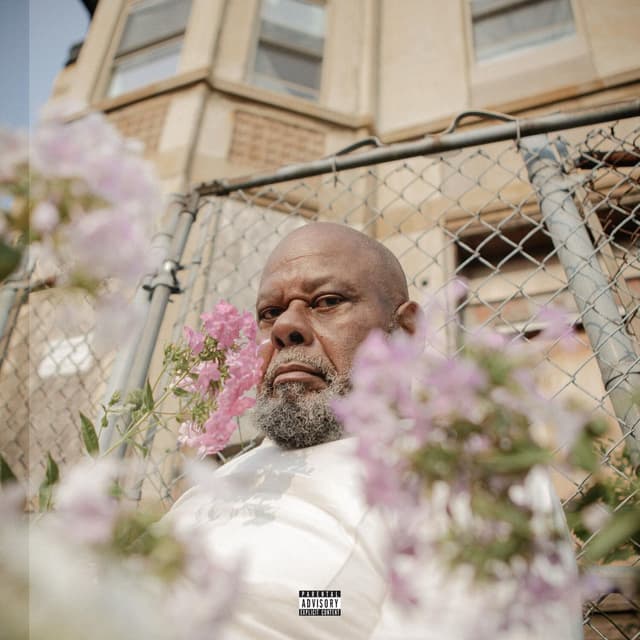
Few Good Things arrived in 2022 after four years — an eternity in streaming era cycles — carrying the weight of expectation. The album represents healing without erasure, Saba processing ongoing grief while celebrating community resilience. Guest appearances from Black Thought, Krayzie Bone, and 6LACK feel purposeful rather than checkbox features, each contributing to the project's thematic architecture. Production expands his palette further, Daoud's contributions adding electronic textures, Saba's own beats maturing into more spacious arrangements. The 8.3 rating reflects an artist refusing to repeat himself, pushing into discomfort while maintaining core identity. Tracks like "Come My Way" and "An Interlude Called 'Circus'" showcase confidence in pacing and structure, willing to let moments breathe rather than cramming every bar with information.
Throughout this trajectory, Saba maintained deep Chicago roots while building national profile. Pivot Gang released You Can't Sit With Us in 2019 before member deaths and distance shifted the collective's future. His Pivot Gang Studios became community resource, not just recording space but neighborhood institution. This duality — local investment alongside artistic ambition — defines his approach, never abandoning the South Side even as opportunities pulled elsewhere.
Redefining Chicago Hip-Hop's Emotional Range and Independent Viability
Saba's impact operates on multiple frequencies. Sonically, he helped expand what Chicago rap could sound like during an era when drill's aggressive minimalism dominated outside perception. His success provided blueprint for artists prioritizing craftsmanship and emotional depth over viral moments and controversy. The jazz-rap influence he champions connects back to Native Tongues era ideals while sounding thoroughly contemporary, proving those aesthetics remain viable when executed with conviction.
His influence on younger Chicago artists appears in their willingness to be vulnerable on record. The post-2018 generation of Windy City rappers — many orbiting or directly connected to Pivot Gang's ecosystem — approach personal narrative with nuance Saba normalized. His production work and behind-scenes mentorship shaped sounds beyond his own releases, creating infrastructure for independent success that doesn't require major label compromise.
Critically, Saba occupies space alongside Kendrick Lamar, J. Cole, and Little Simz as generational voices translating complex internal experiences into accessible art. His catalog rewards close listening while functioning on surface level, a balance many attempt but few achieve. The technical skill never overshadows the humanity, the jazz influences never become affectation. What emerges is portrait of an artist using every tool available — lyrical dexterity, production sophistication, vocal flexibility, narrative structure — in service of something larger than cleverness. His work documents specific Chicago experiences while resonating universally, the particularity of detail paradoxically creating broader connection.