Style & Context
Influences
Film noir, classical portraiture, gothic art
Location
The cover reflects a New York sensibility, where high stakes and street politics often led to tragic fates, shaping a generation's perspective.
Visual Language
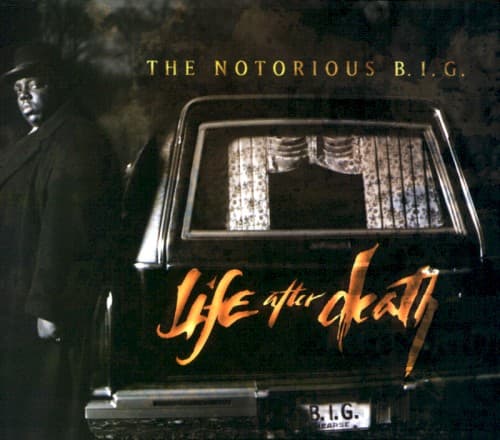
The dramatic low-key lighting and stark composition create a theatrical, almost cinematic quality, reminiscent of film noir's ominous visual storytelling.
Symbols
The Hearse
This grim vehicle directly represents mortality and the inescapable journey towards death, a central, often fatalistic theme in B.I.G.'s lyrical narratives.
Biggie's Suit
The crisp, dark suit signifies a final farewell in formal attire, conveying a sense of respect, status, and a fatalistic acceptance of his destiny.
Title Font
The handwritten, glowing script for 'Life After Death' suggests an ethereal presence or a ghostly message from beyond the grave, adding to the cover's mystic quality.
Where Sound Meets Image
The cover's chilling imagery directly reflects the album's thematic explorations of wealth, violence, and mortality, particularly evident in tracks like 'Niggas Bleed' and 'You're Nobody (Til Somebody Kills You).' Biggie's lyrics often painted vivid pictures of street life's brutal consequences and the allure of opulence, which this dark, luxurious hearse visually encapsulates. The prophetic nature of the cover, given his untimely death just weeks later, deepens its connection to the album's reflective and sometimes fatalistic narratives, making it inseparable from the music's weighty themes.
This cover set a benchmark for album art that bravely tackled themes of death and legacy within hip-hop, moving beyond typical glamour shots to a more conceptual statement. Its somber elegance influenced subsequent artists to use darker, more introspective imagery to convey complex narratives. The cover's eerie foresight and lasting emotional resonance solidified its place as a visually potent and widely discussed piece of hip-hop art.