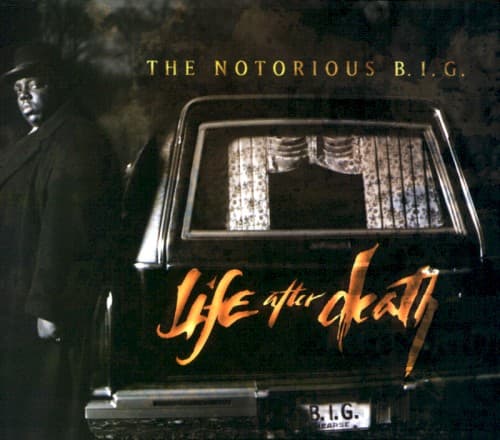
The Notorious B.I.G. Life After Death — The Album That Buried Everyone Else
No other rap album arrived carrying its own eulogy. Released sixteen days after Christopher Wallace was murdered on Wilshire Boulevard, this double album became both monument and prophecy. Every bar about death landed different. Every threat felt hollow.
Every boast about survival read like cruel irony. The timing transformed the music into something Biggie never intended — a twenty-four track farewell that forced millions to process grief through speakers. The cultural weight crushed everything released that spring. Puff Daddy had already been shopping the album to radio stations when the shots were fired.
Advance copies were in journalists' hands. The promotional machine was running. Then March 9th happened and the entire campaign became a memorial service. Should they shelve it?
Delay it? The decision to release on schedule felt both inevitable and mercenary. Hip-hop had lost artists before but never one this large at the absolute peak of commercial power. The Notorious B.I.G. was supposed to conquer 1997.
Instead he became its most famous ghost. The album sold 690,000 copies in its first week — a record at the time for a rap release. It debuted at number one. It spawned three top ten singles.
It went diamond. But the victory felt hollow because the man who earned it would never hear the applause. What makes Life After Death impressive beyond its tragic context is that the music itself justified every superlative thrown at it. This was not a sympathy purchase.
This was Biggie at his most technically refined, most commercially ambitious, most creatively restless. He was reaching for something bigger than street rap. He wanted pop domination without sacrificing credibility. He wanted to prove a double album could work in hip-hop when no one had pulled it off convincingly.
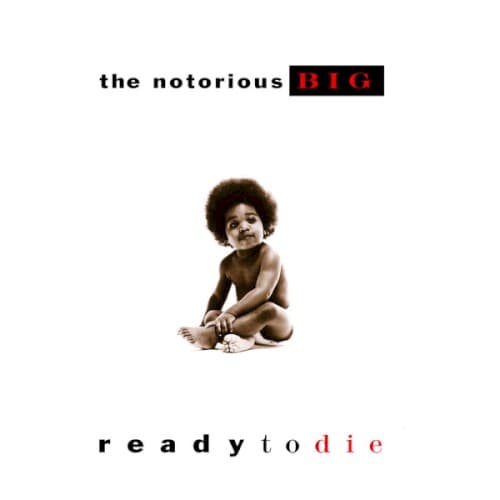
He wanted to show that Brooklyn could produce more than one classic. The ambition alone separated him from every peer. Most rappers in 1997 were trying to recreate Ready to Die. Biggie was trying to bury it.
The Sound That Swallowed Radio Whole
Puffy gets criticized for overproducing this album but that misses the point entirely. The shine was intentional. Biggie wanted to infiltrate pop radio and MTV without sounding like a pop rapper. The production across these twenty-four tracks reflects that tension — expensive, polished, sample-heavy tracks designed for maximum crossover appeal while maintaining enough grit to satisfy purists.
The sonic palette is deliberately wide.
Puffy executive produced but the credits read like a who's who of late-90s hitmakers. DJ Premier contributed the menacing loops. RZA brought his Wu-Tang griminess. Havoc from Mobb Deep handled the bleak atmosphere.
Easy Mo Bee returned from Ready to Die to craft the paranoid production. Daron Jones and Kay Gee gave the Jodeci-assisted track its R&B crossover sheen. Stevie J and Puffy themselves handled the majority of tracks, layering samples from Diana Ross, Herb Alpert, Average White Band and dozens of other 70s soul and funk records into immaculate radio-ready productions. The result sounds nothing like the raw boom bap that defined Ready to Die.
Everything here is louder, brighter, more commercial. The drums hit harder. The bass is thicker. The hooks are clear.
Biggie's flow adapted to match the ambition. He was rapping faster, fitting more syllables into tighter pockets, switching cadences mid-verse with technical precision that made it sound effortless. Listen to how he rides the beat on one collaboration, matching rapid-fire delivery without losing his Brooklyn accent or narrative clarity. That verse alone proved he could outrap anyone in any style.
Lyrically he was operating on multiple levels simultaneously. Street narratives sat beside aspirational luxury rap. Paranoia about enemies mixed with braggadocio about wealth. Sex jams interrupted murder ballads.
He was documenting the contradictions of sudden fame — the money, the women, the fear, the isolation, the pressure. The doubled length gave him space to explore every facet of his persona without worrying about cohesion. Could any rapper alive maintain quality across that distance? Even Biggie stumbles.
The back half of disc two drags. A few radio grabs feel calculated rather than organic. Two tracks in particular could have been cut without losing anything essential. But the highs are so high that the filler barely registers.
The Long Walk Through Brooklyn to Hollywood
The sequencing on disc one establishes dominance immediately. The opening moments set the tone, then the first full track crashes in with a complete murder narrative over a sparse piano loop. No easing into it. The commercial knockout follows — the biggest single, the smoothest flow, the most obvious radio play.
Then the threat arrives, Biggie dismantling every competitor. Three tracks in and the range is already established: street storytelling, pop crossover, technical purist flex. The arc demonstrates complete mastery. Each mode receives equal attention.
The middle stretch of disc one is where the artistry peaks. The strongest four-track run in 90s rap lives here. Each song operates on a different frequency but the momentum never breaks. By the time the Puffy-driven crossover anthem arrives near the end of disc one, it feels earned rather than pandering.
Disc two opens with a reset. The collaboration proved Biggie could adapt to any regional style without losing himself. The back half loses focus. Certain tracks felt like label pressure or uncomfortable olive branches given the timing.
The final three tracks reclaim the intensity, ending the album on a paranoid and defiant note that now reads as eerie foreshadowing. The sequencing is messy but the mess feels intentional. Biggie was trying to build something too large to contain on a single disc. The structure mirrors the narrative — a kid from Brooklyn who became too famous too fast, trying to satisfy everyone while watching enemies multiply.
The Crown He Never Got to Wear
Life After Death sits at the top of Biggie's discography by default and by design. Ready to Die was rawer, hungrier, more focused. But this was the album where he proved he could do anything. The double-disc format was a flex.
The guest list was a flex. The production budget was a flex. He was establishing himself as the biggest rapper alive at the moment when that title was most contested. The tragedy is that he never got to enjoy the victory lap.
Every discussion of this album is haunted by March 9th. The music itself is nearly flawless across the first disc and sporadically brilliant across the second. The technical skill, the narrative craft, the sheer confidence — no one else was rapping at this level in 1997. The commercial success was massive but the artistic achievement is what endures.
This album redefined what was possible for East Coast rap in the Bad Boy era. Biggie proved you could chase pop success without abandoning the streets. You could make radio hits that still sounded dangerous. You could expand beyond boom bap without losing credibility.
The influence is everywhere. Every rapper who balanced street cred with mainstream ambition learned from this blueprint. Every double album in hip-hop history gets compared to this one and loses. Every luxury rap bar owes a debt to the imagery Biggie established here.
For new listeners, start with the most famous single, the Premier collaboration, and the storytelling demonstrate. Those three tracks capture the range. Then play the murder narrative, the beef meditation, and the bleeding epic to understand the depth. If those six tracks connect, commit to the full album.
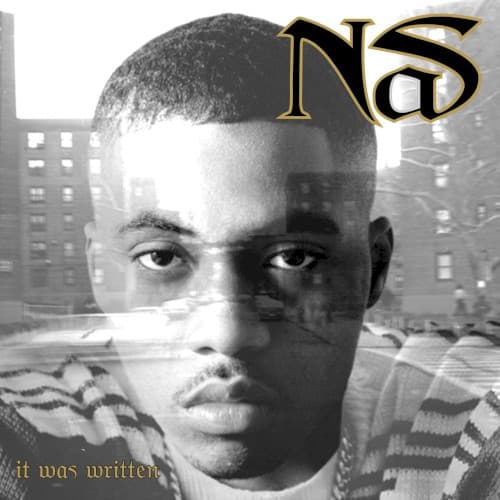
It rewards patience. Fans of Biggie should also explore Jay-Z's Reasonable Doubt and Nas' It Was Written, both released the year before and both grappling with similar tensions between street authenticity and commercial ambition. Mobb Deep's Hell on Earth offers the darker counterpoint.
The album's long-term influence is impossible to overstate. Without Life After Death, there is no Blueprint, no Get Rich or Die Tryin', no Graduation. Biggie showed that rap albums could be events, that double discs could work if the artist was strong enough to carry them, that crossover success did not require artistic compromise. Life After Death is the sound of a king claiming his throne.
He just never lived long enough to sit on it.
Track Listing
Life After Death (intro)
●Thirty seconds of sampled dialogue setting the stage. Biggie's voice discusses resurrection and legacy over ominous background noise. Functions as both album opener and thematic anchor given what happened two weeks before release. Brief but necessary.
Somebody's Gotta Die
▲The album's true opening statement. Biggie delivers a complete revenge narrative over a sparse, haunting piano loop produced by Puffy and Nashiem Myrick. The storytelling is cinematic — he describes tracking down the man who robbed his crew, the planning, the execution, the aftermath. His flow is measured and deliberate, each line landing with narrative weight. The hook is minimal, just the title repeated with cold finality. This is Biggie operating at full technical capacity, proving he could build an entire world inside four minutes. The production leaves space for the story to breathe. No unnecessary embellishments. Just keys, drums, and a voice narrating murder with the detached precision of someone who has lived this reality. Opening the album with a death tale now feels like prophecy.
Hypnotize
▲The commercial juggernaut. Herb Alpert's Rise gets flipped into an undeniable bounce by Puffy, Daron Jones and Ron Lawrence. Biggie glides over it with effortless charisma, rapping about wealth, women and untouchability with the confidence of someone who knew this was going to be a smash. The hook is infectious. The verses are packed with quotable lines that became part of hip-hop vocabulary. Biggie was chasing radio play without dumbing down his technique — the internal rhyme schemes are intricate, the wordplay is sharp, the flow switches are precise. This is what crossover success looks like when executed by someone with actual skill. The video with the fish-eye lens and the shiny suit era it represented would define Bad Boy's aesthetic for years. Some purists dismissed this as pop pandering but the bars are too good to dismiss.
Kick In the Door
▲DJ Premier delivers a menacing loop and Biggie uses it to wage war on every competitor. This is the purist flex track, designed to prove he could still operate in boom bap mode even after chasing pop radio. He name-checks rivals without naming them, dismantles the competition with surgical precision, and makes it clear that no one else was on his level technically. The aggression is palpable. Lines like the one about rap critics loving him like a gay rapper caused controversy but captured his confrontational energy at that moment. Premier's production is stripped down — just drums, a looped sample, and bass. No hooks, no guests, no compromise. Just Biggie asserting dominance. This track was aimed directly at everyone who questioned whether he could still rap after Hypnotize. The answer was definitive.
#!*@ You Tonight
●R. Kelly shows up for the most blatant radio grab on the album. Produced by Puffy and Stevie J, this is pure late-90s R&B crossover — smooth, polished, designed for slow jams and late-night rotation. Biggie raps about seduction with his usual descriptive detail but the chemistry feels forced. Kelly dominates the track with his sung verses and hook, leaving Biggie sounding like a guest on his own song. The production is sleek but generic. This was the sound Puff pushed hard during the Bad Boy era — rapper plus R&B singer equals guaranteed airplay. It worked commercially but aged poorly. The track feels calculated rather than organic, a box-checking exercise rather than inspired collaboration.
Last Day
▲Havoc from Mobb Deep produces this and brings his signature bleakness. The beat is sparse and menacing, just eerie keys and hard drums. Biggie and the LOX trade verses about paranoia, betrayal and survival. The mood is heavy throughout. Everyone sounds tense, watching their backs, anticipating violence. Biggie's verse is packed with details about the cost of fame — trust evaporating, friends becoming enemies, every day potentially being the last. The LOX match his intensity, bringing their Yonkers street edge to complement his Brooklyn perspective. No hooks, no melody, no relief. Just five minutes of sustained tension. This track works because everyone involved commits fully to the darkness.
I Love the Dough
▲Jay-Z and Angela Winbush join Biggie over a Stevie J production built around a flipped sample from Pieces of Dreams. This is luxury rap at its peak — designer clothes, expensive cars, beautiful women, endless money. Biggie opens with a verse about rising from poverty to wealth, delivered with his signature conversational flow. Jay matches him bar for bar, proving why he was about to inherit the crown. The chemistry between them is obvious. Both are operating at the top of their technical games, trading lines about success with the confidence of people who earned it. Angela Winbush's sung hook adds the polish Puffy wanted. The track is smooth without being soft, aspirational without being shallow. This is what made Bad Boy successful — the ability to make street rap that sounded expensive.
What's Beef?
▲One of the album's thematic centerpieces. Produced by Nashiem Myrick, Chucky Thompson and Sean Combs, this track is Biggie's meditation on rivalry, paranoia and the weight of being a target. He opens by defining beef — not arguments or diss tracks, but actual life-or-death stakes. His flow is intense, his imagery violent and specific. He is not posturing. He is describing a reality where fame makes you a target, where success breeds enemies, where every public appearance could be your last. The production matches the mood — dark, ominous, minimal. No flashiness, no radio compromise. Just five minutes of Biggie explaining why he moved with armed security and trusted no one. Listening now, with full knowledge of how his life ended, this track hits differently. Every bar feels like documentation rather than exaggeration. The paranoia was justified.
B.I.G. (interlude)
●A brief skit featuring Puff and Biggie in the studio. Mostly filler. Functions as a breather between heavier tracks. Nothing essential here but it captures the playful energy they had during recording sessions.
Mo Money Mo Problems
▲The second massive single. Mase and Puff join Biggie over a Diana Ross sample flipped into pure pop-rap perfection by Stevie J. This is the shiny suit era distilled into four minutes — bright, expensive, undeniable. Biggie opens with the now-iconic line about money bringing problems, then delivers a verse about the complications of wealth. Mase follows with his lazy, charismatic flow that made him a star. Puff closes with ad-libs and hype-man energy. The hook is sung, the production is glossy, the entire track is designed for maximum commercial impact. Purists hated it. Radio loved it. It went to number one after Biggie's death and became one of the defining songs of 1997. The criticism that this represented Bad Boy's worst instincts — prioritizing shine over substance — has merit. But the bars are still sharp and the production is objectively flawless. This is crossover done right, even if it represented a direction many fans did not want Biggie to pursue.
Niggas Bleed
▲Back to pure storytelling. Produced by Nashiem Myrick and Puff, this is a full crime narrative — a robbery setup, the execution, the betrayal, the violence. Biggie narrates in first person, pulling the listener into every detail. His flow is calm and controlled even as he describes chaos. The production is built around a looped piano sample that sounds like tension incarnate. No hooks, no guests, no distractions. Just Biggie telling a story with the precision of a novelist. This is what separated him from everyone else — the ability to build complete worlds inside verses, to make listeners see every scene, to maintain narrative clarity while still displaying technical skill. The ending flips the script with a betrayal that recontextualizes everything that came before. This is top-tier songwriting disguised as a street rap song.
I Got a Story to Tell
▲The single most entertaining track on the album. Produced by Chucky Thompson and Puff, this is Biggie narrating a sexual encounter that leads to an unexpected robbery opportunity. The storytelling is masterful — funny, vivid, suspenseful. He describes sleeping with a woman whose boyfriend happens to be a rival, then robbing him while he is out. The details are specific and absurd. His delivery is relaxed, almost comedic, like he is telling the story to friends at a party. The production is smooth, built around a looped sample that gives Biggie space to narrate without rushing. This track showcases his range — he could do hardcore street tales, luxury rap, and now comedy-laced narratives, all with equal skill. The casual genius of this song is that it works on multiple levels — as entertainment, as technical showcase, as character study. This is Biggie at his most charismatic.
Notorious Thugs
▲Bone Thugs-N-Harmony collaboration produced by Stevie J. This track was a gamble — Bone's rapid-fire, melodic style was the opposite of Biggie's slower, more deliberate flow. But Biggie adapted. His verse matches their tempo without losing his Brooklyn accent or technical precision. He is rapping faster than anywhere else in his discography, fitting more syllables into tighter spaces, proving he could outrap anyone in any regional style. Bone delivers their signature harmonized verses over a lush, layered production. The entire track feels like a East Coast / Midwest summit, two different approaches to rap coexisting without compromise. This was Biggie reaching beyond his comfort zone and dominating. The technical skill on display here is staggering. Most rappers would sound awkward trying to match Bone's delivery. Biggie sounds effortless.
Miss U
●A tribute to friends who died, produced by Stevie J. 112 handles the sung hook. Biggie reflects on loss with genuine emotion, naming specific people, describing specific memories. This is as vulnerable as he gets on the album. The production is smooth and melancholic, built around soft keys and a gentle groove. The sentiment is sincere but the execution feels slightly overproduced. The sung hook dominates too much, leaving Biggie's verses feeling secondary. This track aimed for emotional depth but landed closer to radio-friendly sentimentality. It works better as a moment of reflection within the larger album than as a standalone song.
Another
●Lil' Kim joins for a sex track produced by Carlos Broady, Nashiem Myrick and Stevie J. This is explicit, graphic and unapologetic. Both rappers describe sexual encounters in vivid detail over a smooth, slow groove. Lil' Kim matches Biggie's energy completely, delivering her verse with the same confidence and explicitness. The chemistry is obvious — they were comfortable enough with each other to push boundaries. The production is sultry without being cheesy. This track is designed for late nights and no other purpose. It works because both artists commit fully without winking at the camera. Some will find it too explicit. Others will appreciate the honesty. Either way, it is impossible to ignore.
Going Back to Cali
●A West Coast tribute produced by Easy Mo Bee, Herb Middleton, Puff and Biggie himself. This track samples Zapp's More Bounce to the Bush and layers it with G-funk synths. Biggie raps about his love for California — the weather, the women, the lifestyle. The timing made this uncomfortable. Recording a love letter to Cali months before getting murdered there gives the song an eerie quality it never intended. The production is smooth and funk-driven, clearly designed to appeal to West Coast listeners. The sentiment is genuine but the irony is impossible to escape. This track exists in a strange space now — a peace offering that arrived too late.
Ten Crack Commandments
▲DJ Premier returns with a stripped-down beat and Biggie delivers a street manual. The concept is simple — ten rules for surviving the drug game. Each commandment is delivered with clarity and authority. No metaphors, no abstraction, just direct instruction based on lived experience and observation. Premier's production is minimal — just drums, a looped sample, and bass. Biggie's flow is conversational, like he is teaching rather than performing. This is one of the most referenced tracks in hip-hop history. Every line became a quotable. The structure is perfect, the delivery is flawless, the content is timeless. This is street rap as instructional text, Biggie operating as both narrator and educator. Pure craft.
Playa Hater
●Produced by Stevie J, this is Biggie addressing critics and rivals who resent his success. The production is bouncy and light, almost playful. Biggie's verse is confident but the energy feels lower than earlier tracks. This is solid but not essential. The hook is repetitive. The theme has been explored better elsewhere on the album. This feels like filler, a track that made the cut because the double-disc format required volume rather than because it added something necessary.
Nasty Boy
▼Another sex track, this one aiming for pure radio play. Produced by Stevie J, the beat is slick and polished. Biggie raps about women and seduction with his usual descriptive detail but the entire song feels calculated. The hook is designed for club play. The verses are competent but uninspired. This is Bad Boy formula at its most transparent — take a charismatic rapper, pair him with a glossy beat, add a catchy hook, chase airplay. It worked commercially but added nothing artistically. This track could have been cut without losing anything.
Sky's the Limit
●112 handles the sung hook on this aspirational track produced by Clark Kent and Puff. The theme is perseverance and success, rags to riches told with sincerity. The production is lush and uplifting, built around a flipped sample and live instrumentation. Biggie reflects on his journey from Brooklyn poverty to rap stardom, acknowledging the people who helped him along the way. The sentiment is genuine but the execution feels safe. This track aimed for inspirational but landed closer to motivational poster. The music video with the cartoon kids drove the message home too heavily. Solid but ultimately forgettable.
The World Is Filled...
●Too Short and Puff join Biggie on this West Coast collaboration produced by Easy Mo Bee. The production is G-funk influenced, slow and smooth. Too Short delivers his signature pimp rap verses. Biggie adapts his flow to match the West Coast tempo. Puff adds ad-libs. The collaboration feels forced, three artists occupying the same track without real chemistry. The theme is women and money, covered without much depth. This track exists as a regional bridge-building exercise rather than inspired collaboration. Competent but unnecessary.
My Downfall
▲DMC from Run-DMC contributes vocals to this paranoia track produced by Daven Lil' Dav Vander, Stevie J and Puff. The theme is betrayal and the cost of fame. Biggie raps about enemies disguised as friends, people waiting for him to fail, the isolation of success. The production is ominous, built around dark keys and heavy drums. DMC's sung hook adds weight. This is Biggie at his most vulnerable, admitting fear and exhaustion. The bars are sharp, the mood is heavy, the honesty is palpable. After twenty tracks of flexing and storytelling, this moment of admission hits hard. One of the back half's strongest moments.
Long Kiss Goodnight
▲RZA produces and the Wu-Tang influence is obvious. The beat is grimy, dark, stripped down to essentials. Biggie delivers one of his most aggressive performances, attacking unnamed rivals with precision and venom. Many have speculated this was aimed at Tupac, recorded during their escalating conflict. The bars are vicious, the imagery violent, the intent unmistakable. RZA's production gives Biggie the perfect backdrop for warfare. No hooks, no melody, no mercy. Just four minutes of sustained aggression. The title takes on darker meaning after March 9th. This track is Biggie at his most dangerous, showing he could match anyone in raw hostility while maintaining technical superiority.
You're Nobody (Til Somebody Kills You)
▲The album's final statement, produced by Puffy, Ron Lawrence and Daron Jones. The title is prophetic to the point of being unbearable. Biggie raps about reputation, legacy and mortality over a smooth, menacing production. He acknowledges that in hip-hop, death often cements legend status. Every line about dying young, about enemies waiting for the chance, about going out in violence — all of it became tragically literal weeks after release. The track works as a closing statement for the double album, circling back to the mortality themes introduced at the beginning. But listening now, with knowledge of what happened, this feels less like artistic choice and more like documentation. The final bars about continuing to shine even after death are chilling. This is the sound of a man who understood the cost of his lifestyle but refused to back down. The most haunting track on an album full of ghosts.