Style & Context
Influences
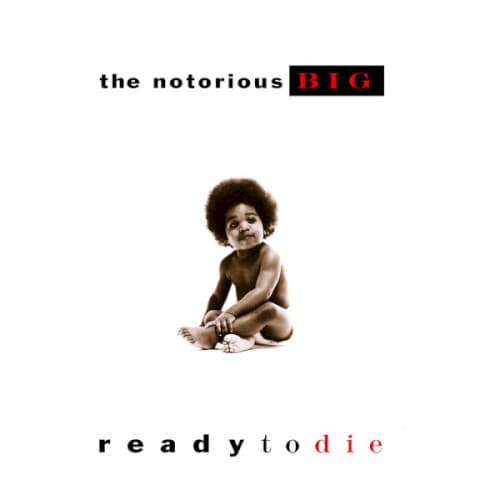
Minimalism, conceptual portraiture, stark contrast
Location
Bedford-Stuyvesant, Brooklyn, is where Biggie's complex street tales originated, reflecting the harsh realities and resilience of its residents.
Visual Language
The minimalist composition effectively amplifies the central paradox, demanding direct confrontation with its challenging themes.
Symbols
The baby
This innocent infant represents the artist's literal birth and the vulnerability of life within a hostile urban environment.
White diaper
The simple white diaper signifies a raw, unadulterated state of being, stripped of pretense and worldly possessions.
Red text
The stark red lettering for "BIG" and "die" forcefully injects a sense of urgency, danger, and ultimate mortality into the visual narrative.
Where Sound Meets Image
The cover art directly mirrors the album's core themes of street survival, the journey from birth to premature death, and the pursuit of wealth amidst poverty. Songs like "Things Done Changed" and "Gimme The Loot" lay bare the realities suggested by the infant's vulnerable yet observant gaze. The album's narrative arc, from wide-eyed innocence to the grim realities of drug dealing and violence, is encapsulated in this single, potent image, setting the stage for Biggie's autobiographical lyricism.
This cover shattered conventional hip-hop album art by rejecting overt displays of wealth or aggression, opting for profound conceptual depth instead. Its bold simplicity and powerful symbolism continue to influence contemporary artists exploring complex narratives. The 'Ready to Die' cover solidified Biggie's visual identity with a raw, unforgettable statement that remains widely referenced and debated.