When Death Became a Marketing Strategy
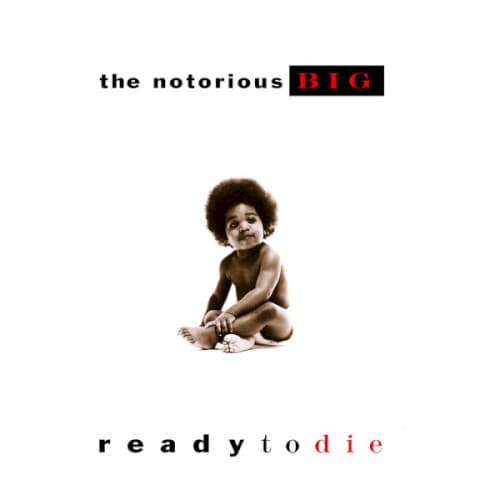
September 1994. A 22-year-old drug dealer from Bed-Stuy decides to name his debut album after his own mortality. Not as a gimmick. Not as shock value. Christopher Wallace had already lived three lifetimes by the time Ready to Die hit shelves — corner work at fourteen, a daughter before he could vote, and a recording contract that felt like his last shot at legitimacy. The album opens with his birth and ends with a gunshot. Everything in between is the sound of a man trying to outrun a conclusion he already knows is coming.
Biggie arrived at the exact moment East Coast rap needed saving. By '94, Death Row had California on a victory lap. Dre's G-funk had taken over radio. Snoop was a household name. New York was scrambling. Enter Puff Daddy, a hyperactive A&R with a Rolodex full of R&B producers and a plan to make street rap digestible for suburban mall crowds. And enter Biggie — a 300-pound kid with a voice like gravel in a blender and the storytelling precision of a novelist who never finished high school.
This album should not have worked. Puffy's pop instincts clashed with the grimy reality Biggie was documenting. The tracklist veers from nihilistic despair to champagne-and-Versace fantasy without warning. Half the beats sound like they were made for Jodeci. The other half sound like they were made in a basement with a stolen SP-1200. But Biggie's voice holds it all together. That's the magic trick. No matter how slick the production gets, he never sounds like he's lying.
Ready to Die is not perfect. The sequencing is messy. The tonal shifts are jarring. Some of the R&B crossover moments have aged like milk. But it's also the last time a New York rapper sounded this hungry, this desperate, this aware that the clock was ticking. The Notorious B.I.G.'s career trajectory wasn't trying to make a classic. He was trying to get his mother out of that apartment before the streets caught up with him. You can hear it in every bar.
The Blueprint for Crossover Without Compromise
The genius of Ready to Die is that it sounds like two completely different albums stitched together by sheer force of personality. On one side, you've got the cold, paranoid New York street rap that made Mobb Deep's The Infamous and Wu-Tang household names. On the other, you've got Puffy's radio-ready R&B loops and sing-along hooks designed to move units at Sam Goody. Biggie is the only thing keeping these worlds from colliding into chaos.
The production roster reads like a genre identity crisis. Easy Mo Bee handles the boom-bap orthodoxy — hard drums, jazz samples, that classic New York grit. DJ Premier shows up for one track and reminds everyone what economy sounds like. Lord Finesse and Chucky Thompson bring the soul. And then there's Sean Combs himself, chopping up Mtume and Isley Brothers records like he's trying to start a new genre. Which, in hindsight, he was. This is the birth of Bad Boy's formula: take a recognizable R&B sample, loop the catchiest four bars, and let the rapper do the heavy lifting. It works because Biggie never sounds out of place, even when the beat sounds like it belongs on a Babyface album.
Biggie's flow is the real innovation here. He's not the fastest. He's not the most technical. But he understands pocket and phrasing better than anyone in '94. He'll ride directly on top of the snare for eight bars, then fall slightly behind the beat and let the words tumble out lazy and unbothered. Listen to how he navigates the second verse of "Gimme the Loot" — two different characters, two different vocal tones, same breath control. It's theater. It's method acting. It's proof that rap is as much about performance as it is about bars.
Lyrically, Biggie operates in constant contradiction. He's simultaneously flexing material wealth and confessing suicidal ideation. He's a ladies' man and a nihilist. He's grateful to be alive and exhausted by the effort it takes to stay that way. The album's central tension is right there in the title: ready to die, but not quite dead yet. So what do you do with that space? You get money. You chase women. You move your moms out the hood. You document every second because you know it won't last.
The album's biggest flaw is its own ambition. Puffy wanted a street album that could crack the pop charts. Biggie wanted to prove he was the best rapper alive. Those goals don't always align. The result is a tracklist that sags in the middle, a few too many skits, and a handful of tracks that feel like they're chasing radio play instead of serving the album's narrative. But even the weakest moments are held up by Biggie's sheer presence. When your charisma is that potent, you can get away with a lot.
When the Album Peaks, Nothing Else Matters
The album announces itself with "Things Done Changed," and it's the perfect thesis statement. No hook. No chorus. Just Biggie walking you through the slow collapse of his neighborhood. The way crack turned block parties into crime scenes. The way his friends stopped playing basketball and started moving weight. The production is sparse — a lonely piano loop and a drumbeat that sounds like it's recorded through a brick wall. Biggie sounds tired already, and it's only track two. That's the tone for everything that follows.
"Gimme the Loot" is unhinged in the best way. Biggie raps both sides of a conversation between two stickup kids planning robberies. One voice is high-pitched and manic. The other is calm and calculating. It's a writing exercise that should feel gimmicky, but Biggie commits so fully that you forget you're listening to one person. The beat is minimal — just a looped bassline and drums — because anything more would distract from the performance. This is Biggie at his most technically impressive, and it's also the moment you realize he's not just a great rapper. He's a great actor.
"Juicy" is the obvious single, and yeah, it's become a wedding reception staple. But in context, it's the album's emotional center. This is the one moment where Biggie allows himself to celebrate. No paranoia. No death talk. Just a kid from Bed-Stuy who made it out and wants you to know it's possible. The Mtume sample is shameless and it works because Puffy knew exactly what he was doing. The track hasn't aged perfectly — it's too polished, too safe — but it's also the reason Biggie became a household name instead of a regional favorite.
"Suicidal Thoughts" is the heaviest closing track in hip-hop history. No debate. Biggie spends four minutes contemplating his own death over a somber piano loop. No humor. No bravado. Just a man on the phone with Puff, explaining why he's ready to end it. The album starts with his birth and ends with a gunshot. That's the arc. It's bleak. It's honest. And it's the moment you realize this album was never about getting rich. It was about documenting a life that felt like it was already over.
The deep cuts matter too. "Warning" is pure paranoia — Biggie raps from the perspective of someone who just got tipped off about a hit. The storytelling is so vivid you can see the scene. "Unbelievable" is Biggie flexing for four minutes straight over a nasty loop, and it's proof that sometimes you don't need depth. You just need bars. These tracks don't get the same shine as the singles, but they're the reason the album holds up front to back.
The Last Time New York Sounded This Desperate
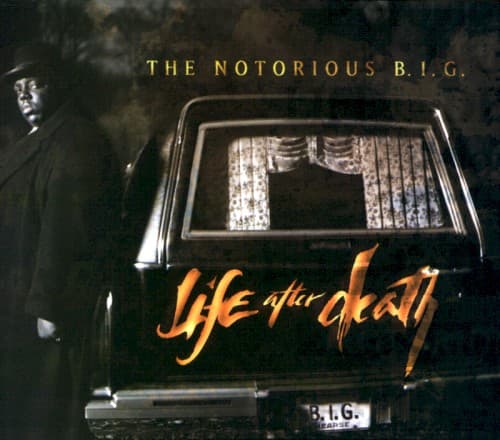
Ready to Die sits comfortably in the top tier of Biggie's discography, but let's be clear: it's not better than Life After Death. The double album is more ambitious, more polished, and more consistent front to back. But Ready to Die has something Life After Death doesn't — desperation. This is the sound of a man who believes this might be his only shot. That urgency makes up for the sequencing issues, the tonal whiplash, and the handful of tracks that feel like Puffy interference.
If you're a hip-hop purist who thinks crossover appeal ruined the culture, you'll have problems with this album. The R&B loops are shameless. The pop hooks are designed for maximum commercial impact. Puffy's fingerprints are all over this thing, and he wasn't trying to preserve boom-bap orthodoxy. He was trying to sell records. But if you can accept that duality — if you can appreciate an album that's simultaneously street and accessible — then Ready to Die is required listening.
The album has aged remarkably well in some areas and poorly in others. The storytelling tracks still hit like freight trains. The production innovations paved the way for every rap album that tried to balance artistry and commercial success, much like Jay-Z's Reasonable Doubt would do two years later. But some of the R&B-heavy cuts feel dated now, relics of a mid-90s Bad Boy sound that became a parody of itself by 1998. The album works best when Biggie is rapping over stark, minimal production. It works least when Puffy is trying to manufacture a moment.
Thirty years later, Ready to Die remains the blueprint for how a debut album should announce an artist. It's flawed, messy, and occasionally too concerned with pleasing multiple audiences. But it's also proof that raw talent and undeniable charisma can overcome structural issues. Biggie wasn't the most technical rapper. He wasn't the most experimental. But he was the most magnetic, and that made all the difference. This is the album that saved East Coast rap, birthed Bad Boy's empire, and introduced the world to the greatest storyteller hip-hop has ever seen. That's enough.
Track Listing
Intro
▲A baby cries. A mother screams. A narrator walks you through Christopher Wallace's entire life in 90 seconds — birth, childhood, teenage corner work, adult desperation, death. It's heavy-handed. It's also devastatingly effective. This is Biggie telling you exactly where the album is headed before he even starts rapping. Some artists bury the thesis in metaphor. Biggie puts it right up front.
Things Done Changed
▲3 AM in Bed-Stuy. The streetlights are orange and the block is empty because everyone who used to hang outside is either locked up or dead. That's this track. Biggie walks you through the slow collapse of his neighborhood with the tired authority of someone who watched it happen in real time. No hook. No chorus. Just observation. The piano loop is minimal and melancholic, and Biggie's flow is conversational, almost spoken-word. This is the album's thesis statement: everything changed, and not for the better. By the time he gets to the line about his childhood friends being gone, you're not listening to a rap song anymore. You're listening to a eulogy.
Gimme the Loot
▲Recorded at 4 AM after Biggie and his crew spent hours laughing about old stickup stories. You can hear the chaos. He voices two different characters — one high-pitched and reckless, one calm and methodical — and the back-and-forth is so convincing that first-time listeners think it's a duet. It's not. It's one man doing theater over a bassline. The beat is intentionally sparse because anything more complex would compete with the performance. Try rapping along to the second verse. You can't. The internal rhyme schemes are absurd, three syllables deep while he's switching perspectives mid-bar. This is technical mastery disguised as raw chaos. Easy Mo Bee's production stays out of the way and lets Biggie cook. Smart.
Machine Gun Funk
▲If Mobb Deep made a club track, it would sound like this. Dark, heavy, threatening, but with enough bounce to make you nod your head. The bassline is menacing. Biggie rides it with a flow that's half-lazy, half-precise, and the imagery is pure Brooklyn street cinema. He's not trying to tell a cohesive story here — just flexing, threatening, reminding you he's dangerous even when he's having fun. It's a solid album track that doesn't overstay its welcome. Three and a half minutes. In and out.
Warning
▲Pure paranoia. Biggie gets a phone call from a girl warning him that some guys are planning to run up on him. The entire track is his mental response: grab the guns, check the exits, prepare for war. The storytelling is so vivid you can see the scene — the apartment, the weapons stash, the adrenaline spike. The beat is minimal and ominous, just a looped guitar riff and a slow, creeping bassline. Biggie's flow matches the tension: measured, deliberate, no wasted words. This is what great narrative rap sounds like. No hook needed. Just a short film in four minutes.
Ready to Die
●The title track. You'd expect this to be the album's centerpiece, but it's actually one of the weaker moments. The production is solid — Chucky Thompson flips a laid-back loop that gives Biggie room to work — but the lyrics feel more like a collection of violent threats than a cohesive meditation on mortality. It's fine. It's not essential. Biggie sounds confident, but he's on autopilot. Compare this to "Suicidal Thoughts" and it's clear which track actually grapples with death. This one just talks about it.
One More Chance
▲This is Biggie at his most effortlessly charismatic. The beat is smooth, soul-drenched, almost too pretty for the content. He's talking about infidelity and sexual conquests with the casual confidence of someone who knows he's the best-looking guy in the room, even though he absolutely isn't. That's the Biggie magic: he convinces you through sheer force of personality. The flow is buttery. The wordplay is sharp. It's a great song that became a bigger hit in its remixed form a year later. But the album version holds up. This is the sound of a man who knows exactly what he's doing.
Fuck Me (interlude)
●A skit. It's explicit. It's 30 seconds of audio that serves no narrative purpose. Filler.
The What
▲Method Man shows up and nearly steals the track. Nearly. Meth's verse is wild, unhinged, full of strange imagery and unexpected flows. But Biggie matches him bar for bar, and his verse is just as creative without being as chaotic. The production is classic East Coast boom-bap — hard drums, a looped bassline, nothing fancy. This is two of the best rappers in 1994 going head-to-head, and neither one blinks. If you're trying to explain to someone why mid-90s New York rap was special, play them this track. It's a masterclass in chemistry and competition.
Juicy
●Most overrated track on Biggie's entire discography. I said it. Yes, it's catchy. Yes, the Mtume sample is iconic. Yes, it made Biggie a star. But listen to it next to "Things Done Changed" or "Suicidal Thoughts" and it sounds like a completely different artist. This is Puffy's vision winning. Biggie sounds comfortable, but he also sounds like he's following a formula. The rags-to-riches narrative is heartfelt, but it's also the most obvious story on the album. Every rapper has a "Juicy." Not every rapper has a "Gimme the Loot." The track works because Biggie sells it, but it's also the moment where Ready to Die starts prioritizing commercial appeal over artistic purity. It's a bathroom break track disguised as a classic, and nobody wants to admit it.
Everyday Struggle
▲I can't be objective about this one. My uncle played this at every family gathering from '95 to '98, usually late at night when the older folks started getting deep about their mistakes. Every time that piano loop hits, I'm twelve years old again, sitting on the back steps listening to grown men talk about the cost of survival. Biggie captures the exhaustion of poverty better than any rapper before or since. He's not glorifying the struggle. He's not romanticizing it. He's just documenting it with the tired honesty of someone who lived it. The hook is simple and devastating: "I don't wanna live no more / Sometimes I hear death knockin' at my front door." That's the whole album in one line.
Me & My Bitch
▲A love song from a man who doesn't believe in love songs. Biggie raps about a ride-or-die relationship with the same detail he brings to drug deals and shootouts. She's holding guns. She's covering for him. She's dying with him. The narrative is bleak and romantic in equal measure, and the production matches the tone: a smooth, melancholic loop that feels like slow-motion tragedy. This is storytelling at its finest. By the end of the track, you care about these two fictional people more than you care about most real ones. That's Biggie's superpower.
Big Poppa
●The second big radio single, and it's aged about as well as a '94 R&B slow jam. The Isley Brothers loop is obvious and overused. The lyrics are fine — Biggie doing smooth-talking player mode — but the whole vibe feels like Puffy telling him to make another "Juicy" for the clubs. It worked. It's still played at weddings. But it's also the moment where the album loses its edge. Compare this to "Warning" or "Gimme the Loot" and it's clear Biggie is coasting here. He sounds good. He always sounds good. But he's not hungry anymore.
Respect
●A posse cut that feels like label politics. The beat is solid, but nothing special. Biggie's verse is strong, but he's sharing space with artists who can't match his presence. It's fine. Not bad, not memorable. The kind of track you forget exists until it comes on shuffle.
Friend of Mine
▼Background music for scrolling your phone. Next.
Unbelievable
▲Four minutes of pure, uncut flexing. No story. No deeper meaning. Just Biggie reminding you he's the best rapper alive over a nasty, hypnotic loop. The hi-hats are panned hard left and the snare sits just behind the beat, making everything feel sluggish and dangerous. Biggie rides it with the confidence of someone who knows he's already won. The wordplay is absurd: "It's unbelievable, Biggie Smalls is the illest / Your style is played out like Arnold wonderin' 'Whatchu talkin' 'bout, Willis?'" That's a three-layer reference in one bar. He makes it sound effortless. Sometimes a great track doesn't need depth. Sometimes you just need bars.
Suicidal Thoughts
▲The heaviest closing track in hip-hop history, and I will fight anyone who disagrees. Biggie spends four and a half minutes on the phone with Puff, explaining in meticulous detail why he's ready to kill himself. No humor. No posturing. No escape hatch. Just a man alone with his thoughts, contemplating the gun in his hand. The production is minimal: a slow, mournful piano loop and nothing else. Biggie's voice is conversational, almost calm, which makes it even more disturbing. When the gunshot goes off at the end, it doesn't feel like shock value. It feels inevitable. The album opened with his birth. It closes with his death. That's the arc. That's the whole story. Every other track was just the space in between.