From Buffalo Streets to Hip-Hop's Hardcore Vanguard
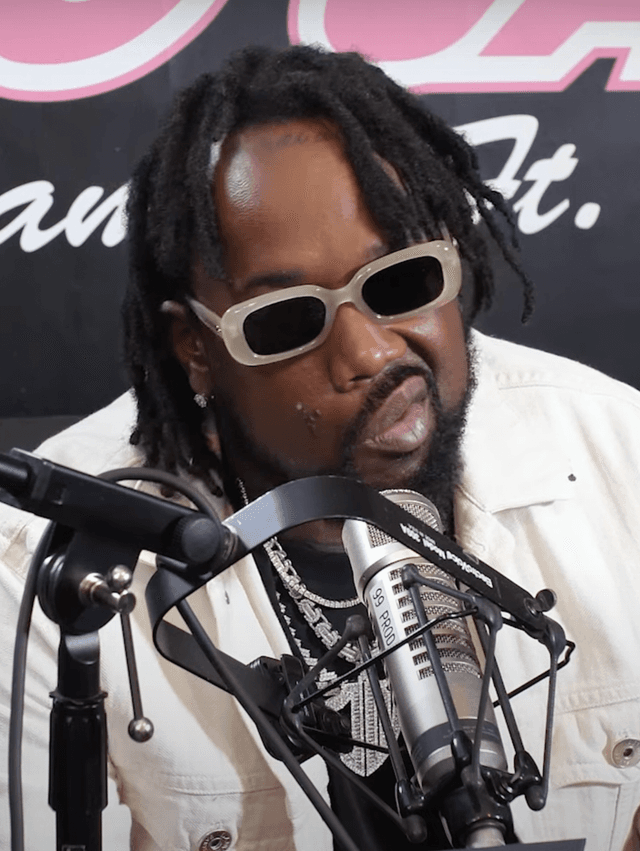
Conway The Machine emerged from Buffalo's overlooked rap scene to become one of the most respected voices in contemporary street hip-hop. Born Demond Price, Conway carved out a lane defined by unflinching autobiography, deliberate pacing, and a refusal to compromise his vision for commercial appeal. His slurred delivery—a consequence of being shot in the head and neck in 2012—became both his signature and a testament to survival, transforming physical adversity into artistic distinction.
As a founding member of Griselda Records alongside his brother Westside Gunn and cousin Benny The Butcher, Conway helped establish a sound that rejected the glossy maximalism dominating hip-hop's mainstream. Instead, Griselda's aesthetic embraced raw loops, soul samples chopped to their emotional core, and street narratives delivered with journalistic precision. Conway became the collective's most technical rapper, his multisyllabic schemes and layered wordplay operating within tight, economical verses that waste no syllables.
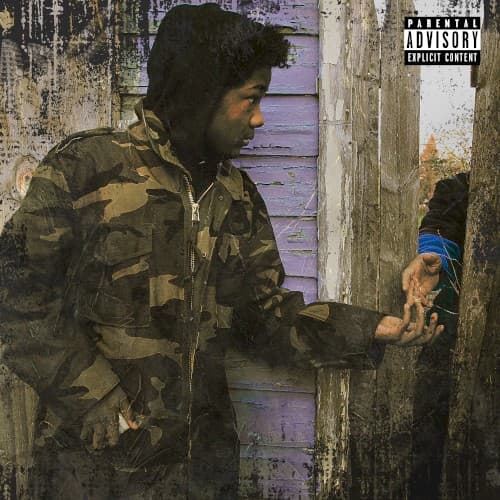
His catalog reveals an artist committed to evolving within strict parameters. Projects like *God Don't Make Mistakes* (2022) showcase refined storytelling and introspective depth while maintaining the gritty foundation that made him essential. Conway didn't chase trends or pivot toward accessibility. He deepened his craft, proving that artistic integrity and growing influence need not be opposing forces.
Precision Lyricism Over Stripped-Down Sonic Landscapes
Conway The Machine's approach strips street rap to its skeletal essentials. His production choices favor minimalism: dusty soul loops, sparse drums, occasionally dissonant piano stabs. The beats create space rather than fill it, allowing his voice—raspy, deliberate, carrying the weight of his shooting's aftermath—to command full attention. Producers like Daringer and The Alchemist craft soundscapes that feel both vintage and immediate, evoking 90s New York grit without slavish nostalgia.
His flow operates on delayed gratification. Conway doesn't rush bars or prioritize catchy cadences. Instead, he constructs elaborate rhyme schemes that reveal themselves gradually, internal rhymes nested within external patterns. Listen closely and you'll catch technical flourishes that less attentive listeners might miss—proof that his skill isn't flashy but forensic. He treats sixteen bars like a jeweler treats gemstones: every facet matters, every angle serves a purpose.
Thematically, Conway balances street documentation with survivor's reflection. He recounts drug dealing, violence, and hustle culture with specificity that resists glorification. His narratives acknowledge consequences—trauma, loss, moral complexity. On *God Don't Make Mistakes*, rated 8.7/10, he pushed deeper into introspection without abandoning the concrete details that anchor his credibility. The album demonstrated growth not through reinvention but through excavating new emotional layers within familiar terrain.
Building an Independent Empire Through Uncompromising Artistry
Conway's career trajectory defied industry logic. While major labels chased streaming-optimized singles and playlist placement, Griselda built their movement through limited vinyl pressings, fashion collaborations, and relentless mixtape campaigns. Conway's early projects—*Reject 2* (2015), *GOAT* (2016)—circulated among purists, establishing him as a lyricist's lyricist before broader recognition arrived.
The turning point came when Eminem's Shady Records signed Griselda in 2017, offering major-label distribution without creative interference. Conway leveraged this platform strategically, releasing *Everybody Is F.O.O.D.* series installments and collaborative projects that showcased his chemistry with producers and fellow MCs. His work with The Alchemist on *LULU* (2020) highlighted his ability to match wits with elite beatmakers, while *From King to a GOD* (2020) demonstrated commercial viability without aesthetic compromise.
*God Don't Make Mistakes* marked a creative apex. Released in 2022, the album refined Conway's storytelling while incorporating more melodic elements—guest features handled hooks, allowing Conway to focus on verse construction. Tracks balanced introspection with street reporting, personal history with broader commentary on systemic inequality. The project earned an 8.7/10 rating for its cohesion and emotional depth, proving Conway's growth as an album artist rather than just a technician.
Throughout his rise, Conway maintained independence within major-label partnerships. Griselda's model—controlling masters, limiting physical releases to drive demand, building a lifestyle brand around the music—influenced how underground artists approached sustainability. Conway became living proof that you could stay uncompromising and still build an empire, that the niche could be lucrative if cultivated with discipline.
His collaborative network expanded strategically. Working with producers like Daringer, The Alchemist, and DJ Premier connected him to hip-hop's production royalty while featuring alongside artists like Method Man, 2 Chainz, and Rick Ross demonstrated versatility. Yet Conway never chased features for clout—each collaboration felt purposeful, aligned with his aesthetic rather than diluting it.
Restoring Street Rap's Artistic Credibility in the Streaming Era
Conway The Machine's influence extends beyond his catalog. He helped legitimize hardcore street rap as an artistically valid lane during an era when trap's melodic iterations and pop-rap hybrids dominated conversation. Griselda's success proved audiences still craved substantive lyricism, sample-driven production, and unvarnished narratives—even if those elements didn't fit algorithmic playlists.
His impact resonates in how younger artists approach independence. The Griselda blueprint—limited pressings, fashion integration, cult-like fanbase cultivation—became a model for building sustainable careers outside traditional label structures. Conway demonstrated that you could remain underground in aesthetic while achieving overground success in reach and revenue.
What separates Conway from peers is his refusal to soften edges for accessibility. He never recorded a radio single, never chased a viral moment, never compromised his vision for playlist placement. Yet his influence grew steadily, earning respect from critics, fellow artists, and fans who valued authenticity over commercial calculation. In an era of constant reinvention and trend-hopping, Conway's consistency became radical—a reminder that depth and integrity can sustain careers when superficial virality fades. His story, marked by survival and uncompromising artistry, ensures his place among the most important voices in 2020s hip-hop.