From Maryland Underground to Genre-Defying Phenomenon
Rico Nasty burst through hip-hop's stylistic barriers with a sonic approach that refuses easy categorization. Born Maria-Cecilia Simone Kelly in 1997, the Maryland rapper emerged from Prince George's County with a sound that blended trap aggression, punk energy, and pop accessibility in ways the genre had rarely witnessed. Her rise from SoundCloud experimentalist to Atlantic Records signee captured a generational shift — one where genre purity mattered less than emotional authenticity and sonic fearlessness.
Her self-coined "sugar trap" aesthetic — sweet melodies colliding with abrasive delivery — became a blueprint for artists seeking to escape rap's conventional lanes. Where previous generations drew hard lines between underground credibility and mainstream appeal, Rico Nasty demolished those boundaries entirely. She raps over distorted guitars as comfortably as 808-driven trap beats, screams with punk fury on one track and delivers melodic hooks on the next, all while maintaining a consistent artistic identity. This wasn't genre tourism. It was genuine synthesis.
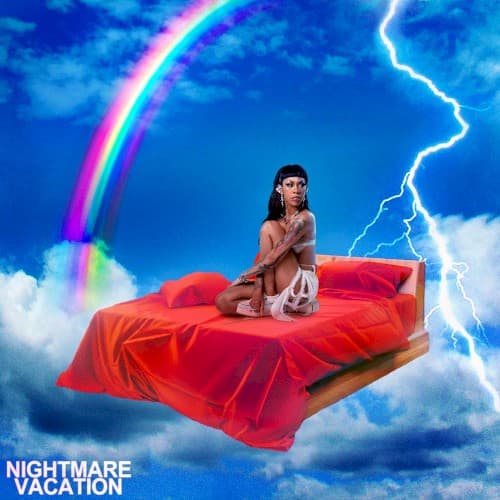
The authenticity of her approach resonated beyond traditional hip-hop audiences. She attracted punk kids, alternative rock fans, and trap purists simultaneously — a rare cross-pollination that speaks to music's evolving tribal lines. By the time Nightmare Vacation arrived in 2020, Rico Nasty had established herself not just as a rapper with eclectic tastes, but as a vanguard of hip-hop's inevitable collision with rock, metal, and electronic music's most aggressive impulses.
Sugar Trap Architecture: Where Melody Meets Mayhem
Rico Nasty's sonic signature operates in productive tension. Her voice can pivot from bubblegum sweetness to guttural screams within the same bar, a duality that mirrors the emotional whiplash of her generation's online existence. The production choices reflect this split personality — trap hi-hats and bass-heavy drops sit alongside distorted power chords and industrial noise elements. Producers like Kenny Beats and 100 gecs' Dylan Brady understood how to amplify rather than smooth out these contradictions, creating beats that reward her unpredictability.
Her flow incorporates punk's directness without sacrificing hip-hop's rhythmic complexity. She doesn't simply rap over rock beats — she inhabits the space where rap delivery and punk vocalization naturally overlap. The aggression comes from genuine places: frustration with industry politics, exhaustion with online harassment, joy in creative liberation. This emotional range distinguishes her work from trap metal's more one-dimensional approaches. A Rico Nasty song might contain genuine vulnerability before erupting into confrontational energy, reflecting lived experience rather than stylistic exercise.
The melodic sensibility keeps even her most abrasive material accessible. Hooks lodge in memory despite — or perhaps because of — their roughness. There's a lo-fi quality to some of her best work, an intentional rawness that preserves the energy of first takes and spontaneous creative decisions. This production philosophy aligns with punk's DIY ethos while utilizing contemporary hip-hop's technical possibilities. The result sounds simultaneously homemade and professionally executed, underground and radio-ready.
Building a Movement: From Mixtapes to Major Label Turbulence
Rico Nasty's early mixtapes established her voice in Maryland's underground before breaking regionally. The 2016 project iCarly and 2017's Sugar Trap introduced her aesthetic vocabulary, but 2018's Nasty proved the commercial breakthrough. Tracks like "Smack a Bitch" demonstrated her ability to channel aggression into infectious energy, while the project's reception revealed an audience hungry for hip-hop that didn't sound like anything else in rotation. The Kenny Beats-produced Anger Management mixtape that same year cemented the creative partnership that would define her sound going forward.
Signing with Atlantic Records brought resources but also creative friction. The label machinery struggled to market an artist who defied easy categorization — too aggressive for pop radio, too melodic for hardcore hip-hop programming, too experimental for mainstream trap playlists. This tension came to a head around Nightmare Vacation's release in December 2020. The album showcased her range more fully than any previous project: the industrial thrash of "OHFR?" sat alongside the more accessible "iPhone," while features from Trippie Redd, Aminé, and ppcocaine highlighted her collaborative reach. Critics awarded it a 7.8 rating, recognizing both its ambition and occasional unevenness.
The album's reception illustrated Rico Nasty's central challenge: her innovations resonated powerfully with a dedicated fanbase while remaining too confrontational for mainstream dominance. She became a critic's darling and a festival favorite without achieving the commercial penetration of more conventional peers. This positioning — influential without being omnipresent — defined her late-career trajectory. Collaborations with 100 gecs and appearances on tracks by Doja Cat and Kali Uchis demonstrated industry respect, but also raised questions about whether the music industry could properly support artists operating between established genres.
Her live performances became legendary for their intensity. Rico Nasty shows felt less like rap concerts and more like punk house shows that happened to feature hip-hop beats — crowd-surfing, mosh pits, genuine chaos. This live energy attracted attention from alternative music festivals like Reading and Leeds, expanding her reach beyond traditional hip-hop venues. The live show became the purest expression of her artistic vision, uncompromised by radio edit requirements or streaming playlist politics.
The tension with her label intensified publicly by 2022, with Rico Nasty openly discussing creative restrictions and marketing missteps. This conflict reflected broader issues facing experimental artists in major label systems built around predictable release cycles and genre-specific promotion strategies. Her situation became a case study in whether legacy industry structures could accommodate hip-hop's increasingly fluid stylistic boundaries. Through it all, she continued releasing music that pushed against conventions, refusing to sand down her edges for easier consumption.
Redefining What Rap Could Sound Like: Rico Nasty's Lasting Influence
Rico Nasty's impact manifests in permission granted rather than direct stylistic imitation. She proved female rappers could scream, could embrace rock instrumentation, could reject traditional femininity without sacrificing commercial viability. Artists like Ashnikko, ppcocaine, and even mainstream figures like Megan Thee Stallion incorporated elements of her sonic aggression into their own work. The trap metal lane she helped legitimize spawned countless imitators, though few matched her ability to balance abrasiveness with genuine musicality.
Her influence extends beyond sound into hip-hop's cultural positioning. By attracting punk and alternative rock audiences to rap music — and vice versa — she accelerated genre convergence that streaming platforms and festival lineups would later normalize. Tyler, The Creator's pivot toward alternative sensibilities found easier acceptance partly because artists like Rico Nasty had already begun bridging those audiences. She was part of a broader movement including Danny Brown and Playboi Carti that recognized hip-hop's sonic future lay in cross-pollination rather than genre purity.
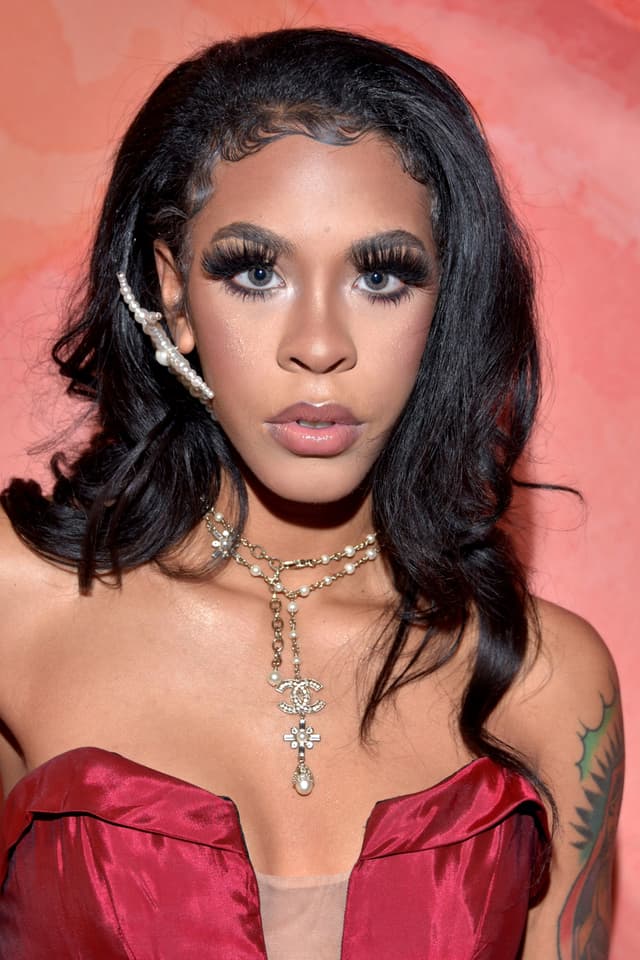
The aesthetic legacy is equally significant. Her visual presentation — bright colored hair, punk-influenced fashion, anime references — created a template for alternative hip-hop artists seeking identity outside streetwear conventions. She made space for weirdness, for anger expressed without apology, for Black women in hip-hop to claim sonic territory traditionally reserved for white male rock performers. This cultural work matters as much as the music itself, expanding definitions of what hip-hop could look and sound like. Rico Nasty didn't just make different music. She insisted that difference itself was valid.