
Detroit's Sonic Anarchist: Danny Brown's Journey from Underground to Critical Darling
Danny Brown emerged from Detroit's East Side with a voice that sounds like sandpaper scraped across broken glass and a vision that treats hip-hop like a laboratory experiment. Born in 1981 and active since the mid-2000s, Brown spent years grinding through Detroit's underground before his 2011 breakthrough XXX announced him as something the genre hadn't quite seen before: a rapper equally comfortable delivering street narratives and psychedelic freakouts, sometimes within the same verse. His cartoonish high-pitched delivery masks deeply personal explorations of addiction, hedonism, poverty, and the psychological cost of trying to escape your circumstances through drugs and fame.
What separates Brown from peers isn't just his willingness to sound strange—it's his absolute commitment to honesty about the ugliness underneath party rap's glittery surface. While other artists glorify excess, Brown documents it with forensic precision and frequent horror. His cultural positioning is unique: too weird for mainstream acceptance, too visceral for backpack purity tests, existing in a space where art-rap meets street documentation meets chemical-fueled confessional. He bridges Detroit's gritty rap tradition with experimental production sensibilities borrowed from electronic music and indie hip-hop, creating what some critics call "hybrid vigor"—the fertile ground where seemingly incompatible influences collide and produce something genuinely new.
Abrasive Textures and Chemical Frequencies: The Danny Brown Sound
Brown's sonic signature is immediately recognizable: that chipmunk-on-helium upper register that he deploys for drug anthems and manic energy, contrasted against a lower, more measured tone he reserves for introspective moments and street reportage. This vocal split mirrors the thematic duality running through his work—the same person can occupy both the euphoric heights of intoxication and the depressive comedown, and Brown's voice physically embodies that split. The effect is jarring by design, forcing listeners to confront the tonal whiplash that mirrors substance abuse itself.
Production-wise, Brown gravitates toward leftfield beatmakers who share his adventurous spirit. His work with producers like Paul White, Evian Christ, and The Alchemist showcases his range—from the industrial clang and off-kilter rhythms of Atrocity Exhibition to the warped Detroit techno influences that pepper his earlier work. Brown doesn't ride beats so much as he attacks them, his flow darting between pockets with the jittery energy of someone who's had too much of everything. There's minimal melodicism here; Brown favors rhythmic complexity and textural abrasion over smoothness. His production choices lean into dissonance, incorporating harsh digital artifacts, atonal synth lines, and drum patterns that refuse to settle into comfortable grooves. The music sounds expensive and damaged simultaneously—high-concept art-rap that still reeks of desperation.
From Detroit's Margins to Atrocity Exhibition: Danny Brown's Circuitous Rise
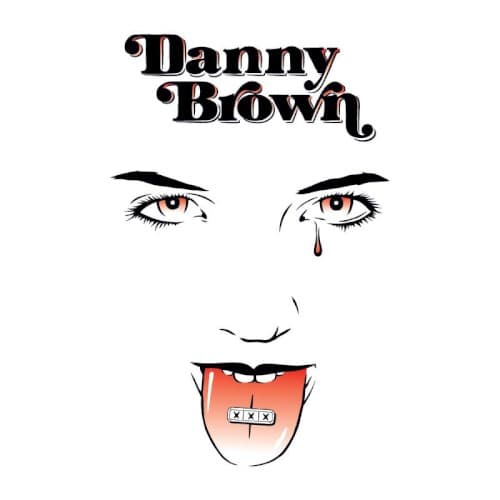
Brown's early career was marked by false starts and missed opportunities that would inform his later work's themes of disappointment and self-medication. After releasing a shelved major-label debut in 2005, he spent years rebuilding credibility through Detroit's underground circuit, eventually connecting with Tony Yayo and Bruiser Brigade, the crew that would become his artistic home. His 2010 album The Hybrid established his eccentric persona, but it was 2011's XXX—released as a free mixtape—that changed everything. The project balanced drug-fueled bangers with moments of crushing self-awareness, and its cult success established Brown as an artist critics loved and traditionalists found baffling.
XXX's impact extended beyond sales figures. It positioned Brown as Detroit's newest important voice while simultaneously aligning him with the internet-era experimental rap movement that included Earl Sweatshirt and other Odd Future affiliates. Brown toured relentlessly, building a reputation for chaotic live shows where his manic energy translated into genuine spectacle. His 2013 follow-up Old arrived via Fool's Gold Records with major-label backing and attempted to bridge his dual impulses—Side A delivering the party tracks, Side B the introspection. The album's commercial underperformance reinforced Brown's outsider status, but it expanded his artistic palette and featured production from Purity Ring, Rustie, and other electronic music boundary-pushers.
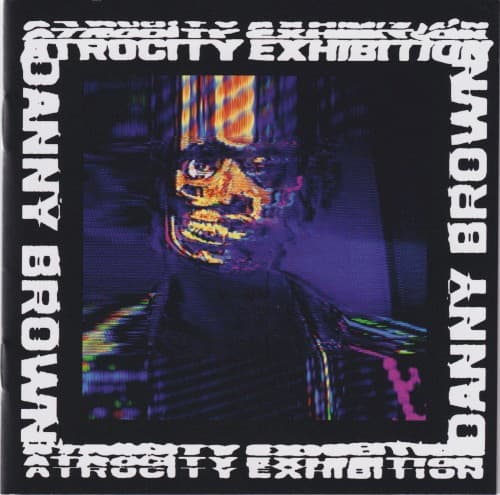
Atrocity Exhibition, released in 2016, represents Brown's creative apex. The album abandoned any pretense of commercial accessibility, embracing full experimental chaos. Working primarily with Paul White, Brown crafted a hallucinatory nightmare that referenced Joy Division, channeled Talking Heads' nervous energy, and sounded like nothing else in hip-hop. The project earned widespread critical acclaim—including a 9.3 rating—and cemented Brown's legacy as someone willing to sacrifice mainstream success for artistic integrity. Songs like "Ain't It Funny" paired seemingly upbeat production with lyrics documenting rock-bottom addiction, creating cognitive dissonance that made the content more disturbing, not less.
Post-Atrocity Exhibition, Brown's output slowed. uknowhatimsayin¿ (2019), executive produced by Q-Tip, found him in a more stable place mentally, with cleaner production and less self-destructive content. The shift suggested either recovery or exhaustion—Brown himself has been candid about using music to process trauma and addiction. 2023's Quaranta continued this trajectory, presenting an older, more reflective artist grappling with aging in a young person's genre. Throughout his career, Brown has remained fiercely independent artistically, even when working within label structures, maintaining Bruiser Brigade as both crew and ethos.
Genre Vandalism and Radical Honesty: Danny Brown's Lasting Influence
Brown's influence operates on multiple levels. Sonically, he helped normalize genuinely experimental production in hip-hop spaces that previously demanded more conservative beats. His willingness to collaborate with electronic producers and indie beatmakers opened doors for artists seeking to escape traditional boom-bap or trap constraints. You hear his impact in how comfortable younger artists feel pairing rap vocals with abrasive, unconventional production—that freedom didn't exist to the same degree before XXX proved it could resonate.
Thematically, Brown's unflinching documentation of addiction and mental health struggles provided a template for honest self-examination without redemption arcs or moralizing. He presents drug use not as rebellion or aspiration but as coping mechanism and slow-motion self-destruction, rarely offering easy answers or recovery narratives. This approach influenced a generation of artists willing to discuss their chemical dependencies and psychological damage without the stigma of weakness. Brown made it possible to be simultaneously fucked up and critically acclaimed.
Culturally, Brown exists as proof that Detroit's rap legacy extends beyond Eminem and street rap traditionalists. He connects the city's techno heritage with its hip-hop present, reminding listeners that Detroit has always been a place where black music innovates fearlessly. His continued underground success while maintaining artistic integrity provides a counternarrative to the idea that relevance requires streaming dominance or TikTok virality. For artists prioritizing creative freedom over commercial calculation, Brown's career offers both inspiration and cautionary tale—you can make uncompromising art and earn respect, but financial security and mainstream acceptance may remain elusive. That contradiction feels very Danny Brown: honest, uncomfortable, and impossible to ignore.