Style & Context
Influences
R. Crumb comics, adult animation, Eastern religious iconography, outsider art
Location
Flushing's immigrant communities inform the Eastern visual language filtered through a white Queens perspective.
Visual Language
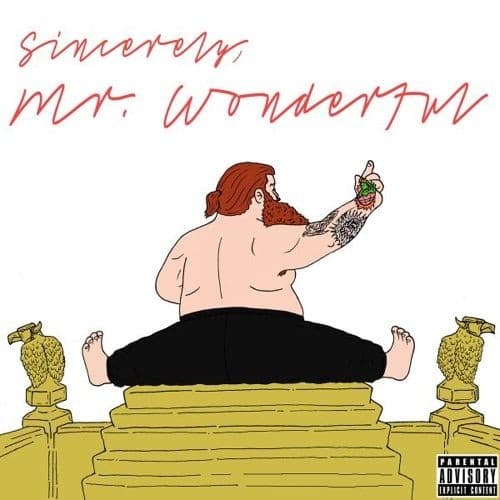
The cartoonish rendering gives Bronson's body a Frank Zappa album cover quality, self-aware and deliberately crude.
Symbols
Buddha pose
Bronson positions himself as enlightened through food, weed, and rap rather than asceticism.
Golden lion sculptures
The guardian lions reference Chinese temple architecture, claiming imperial status for a Queens rapper.
Bare back and rolls
His exposed body rejects rap's masculine ideals, celebrating vulnerability and physical excess as power.
Where Sound Meets Image
The album balances boom-bap production with live instrumentation and soulful samples, just as this cover balances East Coast rap tradition with Eastern philosophy. Bronson's lyrics constantly reference food, drugs, and elevated states of consciousness, all present in this image. The stillness of the pose contradicts his frenetic wordplay, suggesting the peace he seeks through his various appetites. The golden throne mirrors the luxurious production Mark Ronson brought to tracks like 'Actin Crazy.'
The cover helped establish album art as acceptable space for non-idealized rapper bodies, influencing how artists like DaBaby and Blueface later presented themselves with humor and self-awareness. The hand-drawn typography revival in hip-hop owes partial credit to this amateur-looking script that rejected slick design trends. Queens rappers have since embraced more eclectic cultural references in their visuals, following Bronson's lead in filtering immigrant neighborhood influences through hip-hop.