Style & Context
Influences
Underground comix, Afrofuturism, Biblical art, album covers by Mello Music Group, Rawkus Records
Location
The lush Southern vegetation grounds this philosophical work in the Dirty South's creative renaissance.
Visual Language
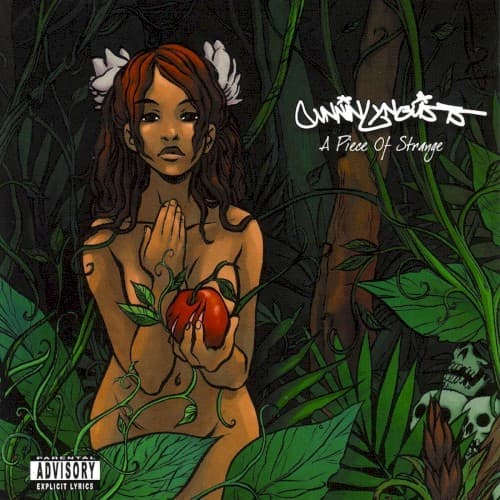
The illustration style merges hip-hop's DIY aesthetic with sophisticated theological imagery and organic linework.
Symbols
Forbidden fruit
The red apple represents knowledge, temptation, and the choices that define our spiritual journeys.
White flowers in hair
Purity symbols contrast with the naked form, suggesting innocence corrupted or wisdom gained through experience.
Skulls among foliage
Death woven into life's vegetation reflects the album's meditation on mortality and human fragility.
Where Sound Meets Image
The Garden of Eden narrative mirrors the album's exploration of sin, redemption, and knowledge acquisition across its concept-driven tracks. The dark, organic visual density reflects the production's layered complexity and philosophical weight. The central figure offering choice visualizes the album's examination of free will, consequence, and the burden of consciousness that runs through songs examining mortality and meaning.
This cover helped establish visual language for concept-driven underground hip-hop that prioritized narrative depth over commercial appeal. The illustrated approach influenced independent rap's embrace of graphic novel aesthetics and allegorical imagery. Its theological boldness paved the way for hip-hop's continued engagement with spiritual and philosophical themes through visual storytelling.