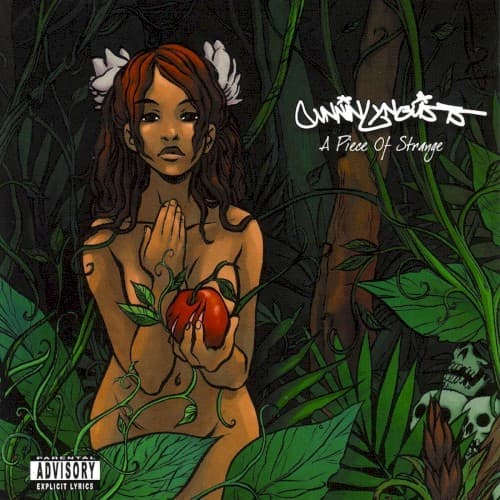
CunninLynguists A Piece of Strange — The Album That Proved the South Could Think
No other underground album from 2006 took this many risks on purpose. While southern rap was busy conquering radio with snap music and crunk, three Kentucky rappers and their producers decided to make a seventy-minute concept album about death, moral choices, and the afterlife. They built it on live instrumentation, prog-rock arrangements, and zero commercial compromise. The album landed like a philosophy seminar in a strip club parking lot.
This is not background music.
It demands your full attention for every minute. The sequencing follows a literal journey through death and judgment, structured like Dante with 808s. The production palette spans jazz fusion, psychedelic soul, and boom bap filtered through a southern lens.
Deacon the Villain, Kno, and Natti handle vocals while Kno's production carries the conceptual weight. The ambition alone separates this from everything else coming out of the South at the time. CunninLynguists avoided every trap by making sure each track could stand alone while serving the larger arc. What makes this album age so well when most concept albums collapse under their own weight?
The album's influence never matched its quality. It sold respectably within underground circles but never crossed over. Yet fifteen years later, it remains the gold standard for southern underground hip-hop with genuine intellectual ambition. Radio and mainstream critics ignored it completely.
When Southern Rap Got Existential
The sonic palette draws from sources most southern producers ignored in 2006. Kno built these beats using live bass, analog synths, and prog-rock sample sources. You hear Fender Rhodes, Moog synthesizers, and layered vocal harmonies that sound more Pink Floyd than UGK.
The drums hit with boom bap precision but the basslines move with southern funk fluidity. This is music made by heads who grew up on Outkast's ATLiens and Goodie Mob but studied DJ Shadow and RJD2 in their spare time.
The production philosophy prioritizes atmosphere over impact. These beats breathe. They shift mid-song. They leave space for the lyrics to land without competing for attention.
Kno's best work here comes when he restrains himself, letting a simple piano loop and kick drum carry an entire verse. His worst moments arrive when he over-arranges, stacking too many elements into the same four bars. A few tracks feel cluttered.
Lyrically, all three MCs approach the concept from different angles. Deacon handles the street-level philosophy, grounding abstract concepts in concrete imagery. Natti brings the spiritual questioning, wrestling with faith and doubt in equal measure.
Kno delivers the darkest verses, leaning into nihilism and existential dread. The chemistry works because they never try to match each other's energy. They occupy different corners of the same mental space.
The vocal delivery stays conversational even when the subject matter gets dense. None of them rush. They let their words sit in the mix, trusting the production to carry the mood. This creates pacing issues on some tracks where verses feel too measured, too deliberate.
A few songs would benefit from sharper editing or faster flows. But the commitment to clarity over flash serves the concept well. You never miss a reference or lose the thread of an argument. Why sacrifice comprehension for speed when the material demands reflection?
The album's biggest weakness arrives in its relentless seriousness.
Seventy minutes of mortality and moral judgment with almost no humor or release. By the time you reach the final stretch, the weight becomes exhausting. A few moments of levity would have made the heavy sections hit harder.
The Journey From Life to Judgment
The opening stretch establishes the conceptual framework without explaining it. The first three tracks introduce the protagonist, present the moral stakes, and begin the descent into death. The sequencing moves from external world to internal crisis, each song narrowing the focus. By the time you reach the fourth track, you understand this album operates on symbolic rather than literal terms.
The pacing here is patient, almost too patient, but it earns the darker material that follows. The middle section contains the album's most ambitious production and its most challenging lyrical content. This is where the concept becomes explicit, where judgment and damnation take center stage.
The music gets heavier, the tempo slows, and the vocals drop deeper into the mix. Two interludes break up the intensity, offering brief instrumental respite before plunging back into existential crisis. The sequencing in this stretch occasionally feels repetitive, with similar tempos and moods stacked too close together.
The back half attempts redemption without offering easy answers. The emotional arc shifts from despair toward acceptance, from judgment toward understanding. The final stretch includes some of the album's most beautiful production and its most hopeful lyrics, closing the narrative circle without betraying the darkness that preceded it. The album ends not with resolution but with possibility, leaving the listener suspended between damnation and salvation.
The South's Most Underrated Masterwork
This ranks as CunninLynguists' creative peak, the moment they achieved complete artistic vision without commercial compromise. Their earlier work showed promise but lacked this level of focus. Their later albums never matched this ambition. Nothing else in their catalog attempts this much or achieves this much.
Who should listen? Hip-hop fans who value lyricism, atmosphere, and conceptual coherence over bangers and hooks. Listeners who can commit to a full album experience rather than playlist-skipping. Fans of Atmosphere, Blackalicious, and early Sage Francis will find common ground here.
This is not gym music or party music. It demands full attention and rewards repeated listens.
Who might bounce off it? Anyone expecting traditional southern rap energy or accessibility. Listeners who prefer concise albums or immediate gratification. The pacing is too slow, the concept too demanding, the runtime too long for casual engagement.
Two decades later, the album has aged beautifully because it never chased trends. The live instrumentation sounds timeless. The philosophical concerns remain relevant. The production techniques feel more contemporary now than they did in 2006, when maximalist crunk production dominated the South.
This is one of those rare albums that gets more impressive with distance, revealing new details and deeper meanings on each return visit. Essential tracks: "Since When" establishes the template, "Caved In" displays the production ambition. For comparison, fans should explore Blackalicious's Blazing Arrow, Atmosphere's God Loves Ugly, and Mr. Lif's I Phantom — three other concept albums that balanced underground credibility with genuine artistry. Long-term, A Piece of Strange influenced a generation of southern underground rappers to aim higher, think deeper, and resist the pressure to dumb down their vision for commercial acceptance.
This is what happens when talented artists trust their audience enough to challenge them.
Track Listing
Where Will You Be?
▲The album opens with a question that never gets fully answered. Kno's production builds slowly, layering strings over a minimal drum pattern while all three MCs introduce themselves through verses that hint at the journey ahead. This is scene-setting rather than statement-making, establishing mood and philosophy without revealing the conceptual framework. The hook works as both literal question and thematic anchor. Production-wise, this is relatively straightforward compared to what follows, almost traditional boom bap with southern bass weight. The verses flow smoothly but never rush, each MC finding their pocket in the beat. It's a patient opening that risks losing impatient listeners in the first three minutes, but it pays off once the full album arc reveals itself. The string arrangement in the final minute signals the musical ambition to come.
Since When
▲Here the concept clicks into focus. The production moves from straightforward boom bap into something more complex, with layered vocal samples and a bassline that shifts between melodic and percussive roles. Deacon and Natti trade verses that examine moral choices and consequences, never preaching but constantly questioning. The hook is one of the album's strongest, simple enough to remember but complex enough to reward attention. This is where the album proves it can balance philosophical weight with genuine hip-hop energy. The drums hit harder here than on the opener, giving the track enough momentum to work outside the album context. Kno's production includes subtle details that emerge on repeated listens — a reversed vocal sample in the second verse, a piano phrase that appears and disappears, drum fills that arrive just before you expect them. If the album has a single track that captures its full vision in miniature, this is it. Nothing feels wasted or forced.
Nothing to Give
●The bleakest track in the first act. Kno's beat here is sparse and cold, built on minor-key piano and minimal drums that leave too much empty space. The vocals sit forward in the mix, almost uncomfortably close, forcing you to hear every word about poverty, desperation, and moral compromise. This is where the album's southern roots show most clearly — the lyrical content could come straight from a Scarface album, but filtered through an underground sensibility that refuses to glorify the struggle. The hook is intentionally flat, offering no catharsis or release. Production-wise, this is less interesting than surrounding tracks, relying too heavily on atmosphere and not enough on musical development. The beat never evolves, just loops for four minutes. It serves the album's conceptual arc but doesn't stand alone well. The final verse lands hardest, examining how economic pressure creates moral compromise, but even that strong writing can't overcome the oppressive mood.
Caved In
▲The production explodes here. Kno layers live bass, distorted guitars, and a drum break that sounds like it came from a 70s prog-rock record. This is the moment the album announces its musical ambition, moving beyond traditional hip-hop production into something that draws equally from rock and jazz. The verses match the energy, all three MCs delivering their most aggressive performances of the album so far. Lyrically, this examines pressure — external and internal, societal and personal. The extended metaphor of being buried alive works better than it should, never feeling forced or overdone. The bridge section where the beat breaks down to just bass and vocals is masterful, creating tension that releases when the drums crash back in. This is one of the few tracks where the production occasionally overwhelms the vocals, but it's a forgivable excess given how well the arrangement works overall. The energy level here is necessary after three relatively slow tracks, providing momentum that carries into the second act.
Hourglass
●Time as a physical presence, ticking away in the beat's percussion. Kno's production here is built around a hypnotic loop that never quite resolves, creating a circular feeling that matches the lyrical content about cycles and repetition. The verses examine mortality from an unexpected angle, focusing less on death itself and more on the awareness of time passing. This is cerebral rather than emotional, philosophy over feeling. The hook is too abstract to be memorable, more of a thesis statement than a singable phrase. Production-wise, the track benefits from restraint — Kno resists the urge to overcomplicate, letting the central loop do most of the work. The drums are mixed low, almost subliminal, while the bass carries the melodic weight. This works better within the album context than as a standalone track. The pacing is deliberate to the point of being slow, which serves the concept but tests patience. By the third verse, you feel the weight of the metaphor, which is probably the point but doesn't make for easy listening.
Beautiful Girl
▲The album's only real love song, and even this one can't escape the shadow of mortality. Kno's beat here is gorgeous, built on a soul sample that sounds like it came from a Delfonics record, with drums that swing rather than knock. This is the warmest production on the album, almost uncomfortably intimate compared to the surrounding darkness. The verses examine attraction and connection through the lens of impermanence, never fully committing to romance because death haunts every line. The hook is the album's most accessible, something that could have worked on radio in an alternate universe where underground rap broke through. Guest vocalist adds depth here, providing a counterpoint to the masculine perspectives that dominate the album. Production includes beautiful details — a string arrangement in the bridge, a piano phrase that mirrors the vocal melody, drum fills that feel played rather than programmed. This is one of the few moments where the album lets you breathe, offering brief respite from the existential weight. It's over too soon.
Inhale (interlude)
●Fifty seconds of instrumental tension. No vocals, just a building synth line over scattered percussion. This serves as a palate cleanser before the album's darkest stretch. The production is minimal but effective, creating anticipation without resolution. It ends abruptly, cutting off just as it seems ready to develop into something larger. Functions perfectly as a transitional moment but offers nothing to return to on its own.
Brain Cell
▲The album's most technically impressive track. Kno's production here is dizzyingly complex, layering multiple samples, live instruments, and drum patterns that shift every eight bars. This is a producer showing off, but the virtuosity serves the concept rather than distracting from it. The verses match the production's intensity, all three MCs delivering their most intricate rhyme schemes and dense internal rhyme patterns. Lyrically, this examines consciousness itself, the unreliability of perception, the prison of thought. The extended brain metaphor works surprisingly well, never feeling forced despite being carried across multiple verses. The hook is too complicated to be catchy, more of a rhythmic exercise than a melodic phrase. This is the track most likely to alienate casual listeners while completely satisfying heads who value technical skill. The beat drops out completely in the second verse, leaving just bass and vocals for sixteen bars before everything crashes back in. That risk pays off, creating a moment of clarity before the controlled chaos resumes. If the album has a weakness for over-arrangement, this is where it peaks.
America Loves Gangsters
▲The album's most overtly political track. Kno's production here is built on a menacing bass-line and hard-hitting drums that recall classic Mobb Deep, but filtered through a southern lens. The verses systematically dismantle gangster mythology, examining how media, economics, and systemic racism create and profit from black criminality. This is angry without being preachy, analytical without being academic. The hook delivers the thesis bluntly — America needs gangsters to justify its violence and feed its prison system. Production-wise, this is more straightforward than surrounding tracks, which serves the directness of the message. The beat barely changes across four minutes, just relentlessly hammering the same dark groove. Guest verse from Tonedeff adds a different energy, faster flow and sharper punchlines that complement rather than clash with CunninLynguists' more measured approach. This is one of the few tracks that could work on a protest playlist or political hip-hop compilation. The final verse goes hardest, connecting personal experience to systemic analysis without losing the plot.
Never Know Why
●Doubt and uncertainty as lyrical content. The production is built on a melancholy piano loop and minimal drums, creating space for the most introspective verses on the album. This is where the concept shifts from external examination to internal crisis, from analyzing the world to questioning the self. The verses are heavy with existential questioning, examining faith, purpose, and the impossibility of certainty. The hook is a simple repeated phrase that gains power through repetition rather than melodic strength. Production feels almost too sparse here, like Kno stripped away too many elements in pursuit of atmosphere. The beat never develops or evolves, just loops the same eight bars for four minutes. This serves the lyrical content but makes for challenging listening. The vocal delivery is the slowest on the album, every word given space to land. By the final verse, the mood is oppressively heavy, which is clearly intentional but doesn't make it easier to enjoy. This works better within the album's flow than as a standalone experience.
The Gates
▲The conceptual turning point. This is where death becomes explicit, where judgment arrives, where the album's Dante inspiration becomes undeniable. Kno's production is massive here, built on church organ sounds, choir samples, and drums that sound like they're echoing in a cathedral. This is the most cinematic production on the album, aiming for epic and mostly achieving it. The verses examine the moment of judgment from multiple perspectives, never settling on a single theological position. This is spiritual questioning rather than religious doctrine. The hook works as both literal description and metaphorical weight. The extended bridge section where the beat breaks down to just organ and vocals is stunning, creating a moment of genuine transcendence before the drums crash back in. This is the track where the album's ambition becomes most apparent, where the concept could have collapsed under its own weight but instead achieves genuine power. Production occasionally overwhelms the vocals, but it's a necessary excess given the subject matter.
Damnation (interlude)
●Forty-five seconds of instrumental darkness. Heavy bass, distorted sounds, no light. This is pure atmosphere, creating the emotional valley before the climb back toward hope. It functions as necessary transition but offers nothing beyond that role. Effective within context, meaningless outside it.
Hellfire
●The album's darkest moment, both sonically and thematically. Kno's production here is built on distorted bass, industrial-tinged drums, and samples that sound like they came from a horror movie. This is the musical representation of damnation, relentlessly dark and offering no escape. The verses are brutal, examining suffering, punishment, and the absence of redemption. This is not metaphorical — the album commits fully to its concept here, describing hell as both place and psychological state. The hook is more chanted than sung, adding to the oppressive mood. Production is intentionally uncomfortable, mixing elements so they clash rather than blend. Vocals sit deep in the mix, sometimes difficult to parse. This is the track most likely to lose listeners, both because of its extreme darkness and because it arrives after an already heavy stretch. The final verse offers no resolution or hope, just unrelenting examination of eternal suffering. It's powerful but exhausting, necessary for the album's arc but not something you return to for pleasure.
Remember Me (Abstract/Reality)
▲The album's emotional climax and its most beautiful track. Kno's production here is built on a gorgeous soul sample, live strings, and drums that swing gently rather than knock hard. This is the moment where the album shifts from darkness toward light, from judgment toward grace. The verses examine legacy, memory, and the desire to be remembered after death. This is vulnerability after all the philosophical posturing, genuine emotion after conceptual weight. The hook is the album's strongest, simple and devastating in equal measure. Guest vocalist delivers a stunning performance, adding warmth and humanity to balance the masculine perspectives. Production is flawless here, every element serving the song's emotional core. The string arrangement in the final minute is genuinely moving, rare for underground hip-hop of this era. This is the track that justifies the entire album's existence, the moment where concept and execution align perfectly. It works within the album's flow and as a standalone piece, one of the few tracks that manages both. If you play only one track for someone unfamiliar with CunninLynguists, this is it.
What'll You Do?
▲The penultimate track arrives with renewed energy after the emotional catharsis of the previous song. Production here is built on a funky bassline and crisp drums that recall the album's first act, bringing the sound full circle. The verses examine choices and consequences in light of everything that preceded them, asking how you live knowing death is certain and judgment is coming. This is practical philosophy rather than abstract theory, making the concept concrete again after the heaviness of the middle section. The hook poses a direct question to the listener, breaking the fourth wall and refusing to let you remain passive. Production is relatively straightforward compared to the middle section's complexity, which serves the lyrical directness. The verses flow smoothly, all three MCs sounding reinvigorated after the album's darkest stretch. This doesn't reach the emotional heights of the previous track, but it doesn't need to. It functions as necessary transition toward the album's conclusion, shifting from reflection back toward action.
The Light
▲The album concludes with hope without resolution. Kno's production is built on a ascending chord progression and bright synth tones that contrast sharply with the darkness that dominated the middle section. This is the sound of possibility, of potential redemption without guaranteed salvation. The verses examine the choice to move toward light despite uncertainty, to pursue meaning despite the absence of clear answers. This is the album refusing to provide easy closure, maintaining its philosophical complexity even in its final minutes. The hook is simple and repetitive, almost mantra-like, building power through insistence rather than melodic complexity. Production gradually builds across the track's runtime, adding layers and increasing intensity until the final chorus feels like genuine transcendence. The album ends not with a bang but with a sustained chord that fades slowly, leaving you suspended between darkness and light. It's a perfect conclusion to an album that never offered easy answers, maintaining its artistic integrity until the final second. Some listeners will find this unsatisfying, wanting clearer resolution, but that ambiguity is exactly what makes the album work.