Style & Context
Influences
Joy Division Unknown Pleasures, cyberpunk aesthetics, medical imaging, 1980s VHS horror
Location
Detroit's history of techno and industrial music feeds directly into this cover's mechanized, dystopian visual language.
Visual Language
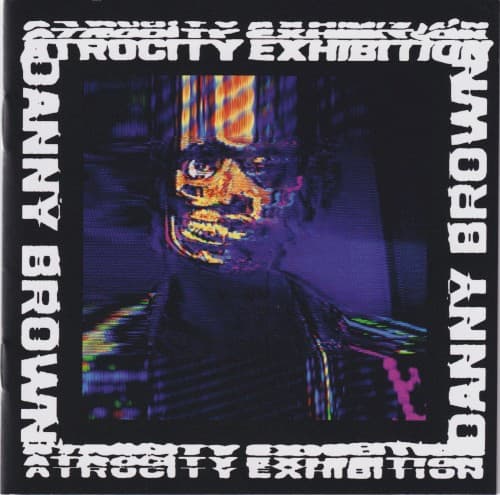
The technique merges clinical medical photography with underground rave flyer aesthetics to visualize internal chaos.
Symbols
Thermal skull overlay
The half-skull represents Danny's documented struggles with addiction and mental deterioration during this period.
Pixelated distortion
VHS-style glitches mirror the fragmented consciousness and reality breaks explored in the album's lyrics.
Repeating border text
The obsessive repetition of title and artist name simulates racing thoughts and manic episodes.
Where Sound Meets Image
The visual chaos directly mirrors the album's production—atonal beats, screeching samples, and Danny's manic vocal delivery across tracks like 'Ain't It Funny' and 'Really Doe.' The thermal overlay suggests the paranoia and altered states documented in songs about substance abuse and Detroit street life. Just as the cover refuses easy beauty, the album rejects commercial accessibility for genuine experimental art-rap that influenced everyone from JPEGMAFIA to Injury Reserve.
This cover helped establish thermal imaging and medical aesthetics as valid hip-hop visual language, influencing the dark, glitchy style that defined late 2010s underground rap. The refusal of traditional rap cover tropes—no jewelry, cars, or glamour—gave permission to a generation of experimental artists to embrace ugliness and psychological honesty in their packaging.