Style & Context
Influences
Film noir aesthetics, minimalist portraiture
Location
The cover art embodies the polished ambition born from Brooklyn's streets, now contemplating its own grand exit from the global stage.
Visual Language
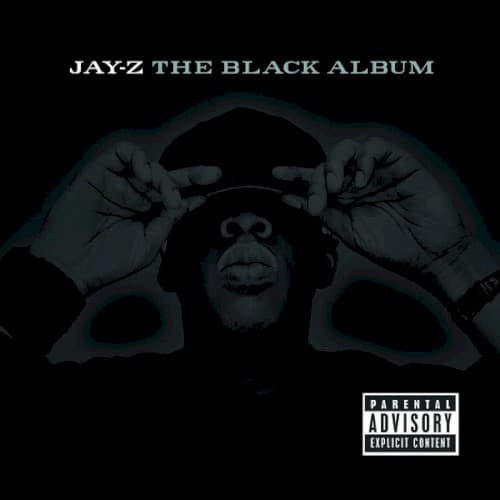
The high-contrast monochrome photography uses deep shadows to create a dramatic, almost sculptural portrait, conveying a sense of weighty significance.
Symbols
Obscured Eyes
The hands covering Jay-Z’s eyes symbolize introspection, shielding him from the glare of fame as he prepares to exit the industry.
Inverted Face
Jay-Z’s face appearing upside down suggests a world turned on its head, reflecting the monumental decision to 'retire' from rap.
Dominant Blackness
The overwhelming black background signifies finality and solemnity, marking the end of an era for the alleged last chapter of his career.
Where Sound Meets Image
The cover's stark introspection perfectly mirrors the album's lyrical content, where Jay-Z reflects on his journey, successes, and the potential end of his rap career. Tracks like "My 1st Song" and "Moment of Clarity" are deeply personal, addressing his legacy and the industry's pressures, much like the obscured, contemplative figure on the cover. The visual serves as a poignant preface to an album filled with self-reflection and a sense of closing a monumental chapter.
"The Black Album" cover set a precedent for minimalist yet deeply symbolic hip-hop album art. Its stark, monochromatic approach proved that a lack of overt imagery could convey profound meaning and gravitas, influencing future artists to embrace more abstract or introspective visual statements. The cover remains a testament to the power of simplicity in capturing a significant cultural moment.