Jay-Z's Calculated Farewell That Redefined Hip-Hop's Exit Strategy
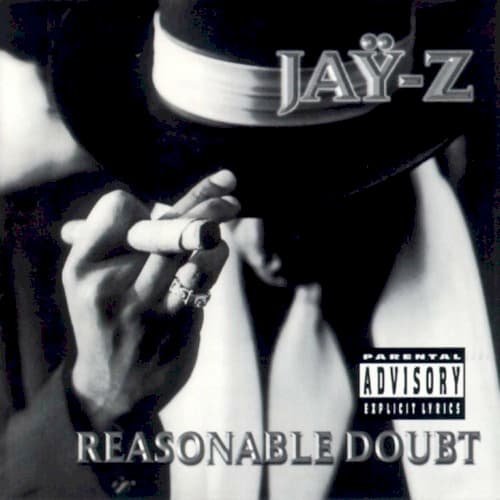
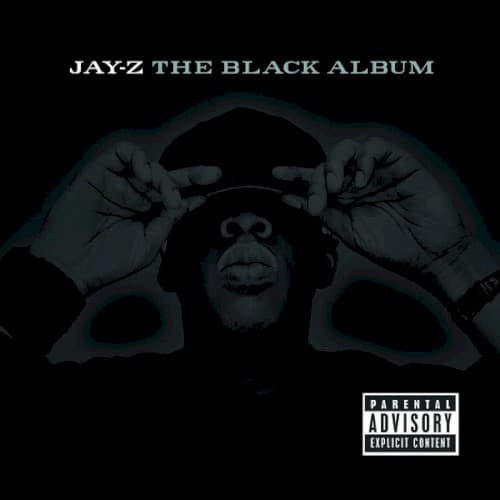
November 2003 arrived with an announcement that sent shockwaves through hip-hop: Jay-Z, then thirty-three years old and sitting atop the commercial rap throne, would retire from recording after one final album. The Black Album emerged not as a desperate last grasp but as a meticulously orchestrated victory lap—a document designed to cement legacy while the spotlight remained brightest. Unlike the forced comebacks and quiet fadeaways that marked previous generation exits, Hova approached retirement with the same strategic precision he brought to building Roc-A-Fella Records from a Reasonable Doubt trunk sale into an empire.
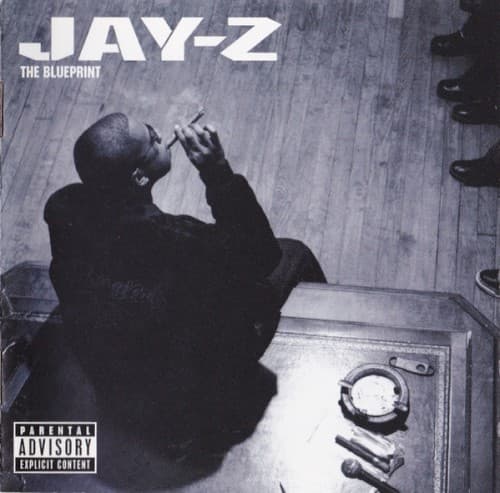
The album's title carried intentional weight, mirroring The Beatles' self-titled 1968 double LP in cultural shorthand while establishing finality through stark visual branding. But where previous farewell albums often arrived after commercial decline or creative exhaustion, The Black Album represented something unprecedented: an artist voluntarily stepping away at his commercial and creative peak, three years removed from The Blueprint's critical renaissance and riding the momentum of multiple number-one albums. The decision to release acapella versions alongside the standard LP transformed the project into an open-source creative tool, anticipating remix culture's explosion and generating immediate cultural artifacts like Danger Mouse's Grey Album mash-up with The Beatles.
Assembling an all-star production roster that reads like a who's who of early 2000s hip-hop innovation, the album deliberately showcased range over cohesion. Just Blaze, Kanye West, The Neptunes, Timbaland, 9th Wonder, Eminem, Rick Rubin—each brought distinct sonic signatures, allowing Jay to demonstrate versatility while avoiding the trap of chasing a single contemporary sound. This curatorial approach signaled confidence: rather than betting everything on one producer's vision, The Black Album positioned itself as a comprehensive statement, touching every corner of hip-hop's production landscape while maintaining Jay's voice as the unifying thread.
Production Diversity as Autobiography: Mapping a Career Through Sound
The Black Album's greatest triumph lies in its production architecture, which functions as sonic autobiography. Each beat selection reflects a different phase or aspect of Jay-Z's journey, from the soul-sample nostalgia of Kanye West's December 4th to Rick Rubin's stripped-down rock-rap fusion on 99 Problems. This wasn't random eclecticism—it was deliberate historical mapping, positioning each track as a chapter in a larger narrative about hip-hop's evolution and Jay's role within it.
Kanye West contributed three productions at a pivotal moment in his own trajectory, months before The College Dropout would reshape mainstream rap aesthetics. His work on December 4th exemplifies the chipmunk-soul approach that defined mid-2000s hip-hop, speeding up a sample until it achieves both warmth and urgency. The track opens with Jay's mother Gloria Carter offering spoken-word context about her son's birth and childhood, grounding the album's victory narrative in working-class Brooklyn struggle. This device—maternal testimony as authentication—would become a template for vulnerability in hip-hop, influencing everyone from Kanye's own family-centered storytelling to Drake's confessional approach.
The Neptunes delivered Change Clothes, a slick commercial moment that some critics dismissed as pandering but actually served crucial structural purpose. Positioned between deeper album cuts, the track acknowledged Jay's crossover appeal and fashion empire without letting those elements dominate the project's tone. Pharrell's production employed the minimalist funk that made The Neptunes the era's most distinctive hitmakers, all off-kilter percussion and negative space. The track's placement and sonic brightness prevented The Black Album from collapsing into self-serious weight, maintaining the playful confidence that always separated Jay from more earnest contemporaries.
Timbaland's production on Dirt Off Your Shoulder represents futurism meeting street sensibility, those sharp hi-hats and stuttering snares creating immediate physical response. The track became a cultural phenomenon beyond music, its shoulder-brush gesture entering political discourse when Barack Obama borrowed the move during the 2008 presidential campaign. This crossover demonstrated hip-hop's complete cultural saturation by the mid-2000s, with gestures and phrases from Black Album tracks becoming common reference points across demographic boundaries.
Rick Rubin's 99 Problems stands as the album's most enduring track, stripping hip-hop back to boom-bap fundamentals while incorporating rock guitar aggression that recalled Run-DMC's Raising Hell—an album Rubin also produced nearly two decades earlier. The production choice was deliberately historical, connecting Jay-Z's retirement to hip-hop's foundational era while the lyrics constructed an elaborate narrative about police profiling, gender politics, and the burden of success. The track's three-verse structure, each addressing different meanings of "problems," showcased technical writing sophistication that elevated beyond typical club bangers. Ice-T's original version provided the hook's framework, but Jay transformed the concept into something autobiographical and urgent, demonstrating how sampling extends beyond beats into conceptual territory.
Just Blaze's work on Public Service Announcement became the album's purest distillation of confidence, those blaring horns and marching drums providing the foundation for some of Jay's most quotable bars. The track functions as manifesto, dismissing criticism while asserting dominance with the casual authority of someone who no longer needs to prove anything. Eminem's sparse production on Moment of Clarity offered introspective space, allowing Jay to acknowledge the commercial calculations behind his music with unusual transparency—"I dumb down for my audience to double my dollars"—a rare admission that complicated the genius narrative while humanizing the business decisions that built his empire.
Career-Defining Moments Across Three Essential Cuts
99 Problems remains the album's gravitational center, a track so perfectly constructed that its cultural impact still reverberates two decades later. The three-verse narrative structure transforms a simple hook into a complex meditation on American life as a successful Black man navigating spaces designed to limit him. The first verse details police harassment with cinematic specificity, the second addresses media scrutiny and public perception, while the third confronts romantic complications—each "problem" revealing different facets of fame's burden. Rick Rubin's production gave the track legs beyond hip-hop circles, that rock-informed aggression making it accessible to audiences who might never buy a rap album while never compromising the song's essential street credibility. The fact that it peaked at number thirty on the Billboard Hot 100 despite its uncompromising content and lack of sung chorus demonstrated how far hip-hop had come in mainstream acceptance.
December 4th achieves something rare in rap music: genuine vulnerability without weakness. Opening with his mother's testimony establishes emotional stakes before Jay delivers autobiographical detail with the specificity of someone who understands that legacy requires context. The Kanye West production wraps these memories in warmth, that sped-up soul sample creating nostalgic space for reflection on the journey from Marcy Projects to boardrooms. Lines tracing his evolution through crack dealing to record deals don't glamorize or apologize—they simply document with the clear-eyed honesty of someone secure enough to acknowledge every step. The track's placement as the album's second full song established thematic foundation: this retirement wasn't about exhaustion or defeat, but about an immigrant's son achieving the American dream through unconventional means.
Lucifer showcases Jay at his most technically proficient, riding Kanye's menacing production with the pocket precision that separates good rappers from great ones. The track addresses betrayal, paranoia, and the isolation that accompanies success, with Jay name-checking both allies and enemies while maintaining enough ambiguity to let listeners project their own interpretations. The biblical title and references create mythic scope, positioning personal conflicts within larger narratives about loyalty, temptation, and moral compromise. This wasn't radio-friendly material—it was album-deep sophistication that rewarded close listening and demonstrated why Jay commanded respect beyond commercial success.
A Strategic Masterpiece That Elevated the Concept of Retirement
The Black Album succeeds on every level it attempts: as commercial statement, artistic culmination, and cultural event. Its announced finality created urgency that transformed each track into weighted significance, though Jay would eventually return to recording within three years. That comeback doesn't diminish the album's achievement—if anything, it reinforces how effectively The Black Album accomplished its mission, leaving Jay with nothing left to prove and therefore free to return on his own terms rather than necessity.
The production diversity that some critics initially questioned now reads as prescient curation, showcasing the full spectrum of early 2000s hip-hop innovation while avoiding the dated quality that plagues albums too committed to a single trendy sound. Tracks produced in 2003 still sound vibrant because they drew from different sonic traditions rather than chasing one contemporary moment. The decision to release acapellas demonstrated understanding of hip-hop's collaborative remix culture, generating creative responses that extended the album's cultural footprint beyond traditional promotional cycles.
Weaknesses exist but feel minor against the album's strengths. Threat and Allure occupy space without adding essential elements, while Justify My Thug's ambition occasionally overwhelms execution. These missteps matter less than they might on a standard release because The Black Album's framing as farewell transforms the entire project into a comprehensive statement where individual track quality becomes less important than cumulative impact.
The album's true genius lies in how it redefined retirement as creative strategy rather than surrender. Future artists from hip-hop and beyond would borrow this playbook—announcing finality to create event status, carefully curating collaborators to showcase range, releasing alternate versions to extend cultural conversation. Jay-Z didn't just deliver a strong album; he wrote the manual for how major artists could exit with maximum impact and preserved flexibility to return. Two decades later, The Black Album endures both as outstanding music and as the moment hip-hop fully embraced strategic career management as art form in itself.
Track Listing
Interlude
A brief atmospheric opener sets contemplative tone, with sparse production and minimal vocals establishing the album's serious intent. The interlude functions as palate cleanser, creating space between the listener's previous experience and the autobiographical journey about to unfold. Its brevity prevents self-indulgence while signaling that The Black Album operates with different structural rules than typical commercial releases.
December 4th
Kanye West's warm soul production wraps Jay's birth date and childhood memories in nostalgic amber, while Gloria Carter's opening testimony provides maternal blessing for her son's unconventional path. The track balances celebration with acknowledgment of struggle, tracing evolution from Marcy Projects to mogul status without sanitizing the criminal intermediary steps. Its placement immediately after the interlude establishes that this retirement album prioritizes reflection over chest-thumping victory laps, though confidence never wavers.
What More Can I Say
Buckwild's production provides uptempo energy as Jay catalogs achievements with the rhetorical question embedded in the title. The track functions as resume and challenge simultaneously—listing accomplishments while daring anyone to match them. Its position early in the tracklist establishes competitive fire still burns despite retirement announcement, preventing the album from slipping into premature nostalgia or self-satisfied coasting.
Encore
Kanye West delivers anthemic production that frames Jay's farewell as arena-sized event, with sung hooks and triumphant horns creating victory-lap atmosphere. The track acknowledges audience relationship explicitly, thanking fans while asserting the retirement decision comes from position of strength rather than decline. John Legend and other vocalists later added to remix versions, but the album cut maintains focus on Jay's perspective.
Change Clothes
Pharrell and The Neptunes craft infectious minimalist funk that became inescapable radio presence, with its fashion-centered lyrics reflecting Jay's expanding empire beyond music. Critics dismissed the track as lightweight, missing how its placement provides necessary sonic breathing room between heavier material while acknowledging the commercial crossover that made the retirement announcement newsworthy beyond hip-hop circles. The production's off-kilter percussion and negative space exemplified The Neptunes' mid-2000s dominance.
Dirt Off Your Shoulder
Timbaland's futuristic production clicks and stutters beneath one of Jay's most quotable performances, that shoulder-brush gesture becoming cultural shorthand for dismissing criticism. The track balances playful confidence with genuine swagger, its stripped-down beat allowing Jay's flow to take center stage while those sharp hi-hats create immediate physical response. Its mainstream crossover—including Barack Obama's 2008 adoption of the gesture—demonstrated hip-hop's complete cultural saturation.
Threat
9th Wonder provides boom-bap foundation that connects to underground hip-hop aesthetics often overlooked in Jay's commercial success narrative. The track explores paranoia and violence with cinematic detail, though it remains one of the album's less essential moments. Its inclusion demonstrates range and nods to purist production styles, even if the execution doesn't quite match the album's highest peaks.
Moment of Clarity
Eminem's sparse production creates contemplative space for Jay's most introspective and self-critical lyrics, acknowledging commercial calculations with unusual transparency. The admission that he "dumbs down for audiences to double dollars" complicates the genius narrative, revealing business pragmatism beneath artistic excellence. This vulnerability—admitting strategic compromise rather than claiming pure artistic vision—adds complexity to the retirement narrative by framing it as conscious choice rather than creative necessity.
99 Problems
Rick Rubin strips hip-hop back to boom-bap and rock fundamentals, creating the album's most enduring track through that perfect marriage of aggressive production and complex narrative writing. The three-verse structure transforms a simple hook into meditation on police harassment, media scrutiny, and relationship complications, each verse revealing different facets of success's burden. Ice-T's original provided framework, but Jay transformed the concept into something deeply personal and culturally resonant, a track that worked equally well in stadiums and on urban radio.
Public Service Announcement (interlude)
Just Blaze delivers blaring horns and marching drums for pure confidence distilled into ninety seconds, Jay dismissing retirement speculation and asserting dominance with casual authority. The interlude functions as manifesto despite its brevity, those quotable bars about still being "number one" even in retirement becoming hip-hop gospel. Its placement before the album's final stretch reestablishes competitive energy after more contemplative moments.
Justify My Thug
The Neptunes return with darker production as Jay addresses the contradictions of street credibility meeting boardroom success, struggling to reconcile hustler origins with mogul present. The track's ambition occasionally overwhelms execution, reaching for profundity that doesn't quite land, though the thematic concerns remain central to understanding Jay's career arc and the retirement decision itself. It represents the album's most uneven moment, interesting in concept but less successful in realization.
Lucifer
Kanye West's menacing production provides foundation for Jay's technically proficient exploration of betrayal, paranoia, and success's isolating effects. The biblical title and references create mythic scope for personal conflicts, name-checking allies and enemies while maintaining strategic ambiguity. This wasn't radio material but album-deep sophistication that demonstrated why Jay commanded respect beyond commercial metrics, showcasing the technical proficiency and thematic complexity that separated him from more one-dimensional commercial rappers.
Allure
Pharrell returns with smooth production as Jay personifies the street life as seductive woman, exploring the difficulty of leaving hustler mentality even after achieving legitimate success. The extended metaphor occasionally strains but effectively captures the psychological pull of familiar patterns and environments. The track's placement near the album's end reinforces themes about past's persistent influence, even for someone supposedly walking away from the game.
My 1st Song
Buckwild provides soulful production for the album's emotional conclusion, Jay circling back to origins and motivations with reflective honesty. The track functions as bookend to December 4th's childhood memories, tracing the complete arc from first rap aspirations to retirement announcement. Its vulnerable tone—addressing fear, doubt, and the leap of faith required to pursue hip-hop career—provides genuine closure, ending the album on earned emotional resonance rather than triumphant posturing.