From Marcy Projects to Global Empire: JAY-Z's Trajectory
When Shawn Carter stepped into Baseline Studios in 1996 to record his debut album, American record labels had already passed on him. Too old at twenty-six, they said. Wrong sound for the era. He responded by co-founding Roc-A-Fella Records with Damon Dash and Kareem Burke, pressing up his own copies, and building distribution through sheer hustle. That decision—to bet on himself when the industry wouldn't—became the template for everything that followed. JAY-Z didn't just become one of hip-hop's most successful artists. He redrew the boundaries of what a rapper could be, turning the microphone into a stepping stone toward unprecedented cultural and financial power.
Raised in Brooklyn's Marcy Houses, JAY-Z emerged from the same ecosystem that produced generations of New York street poets. But where others saw rap as escape, he saw infrastructure. His catalog spans decades without a single album that sounds like artistic surrender, from the mafioso narratives of his early work through the soul-sampling renaissance of The Blueprint to the stark introspection of 4:44. He's sold tens of millions of records, yes, but the numbers barely capture his actual footprint. JAY-Z transformed hip-hop entrepreneurship from side hustle to primary text, proving that ownership—of masters, of brands, of narratives—mattered as much as bars.
Precision Wordplay Meets Million-Dollar Production
JAY-Z's technical approach centers on economy and pocket. He doesn't waste syllables. Where other rappers might pack sixteen bars with internal rhymes and rapid-fire flows, JAY-Z operates with surgical selectivity—choosing exactly which words to stress, which beats to ride, which moments to let breathe. His delivery sits slightly behind the beat, creating a conversational ease that masks the complexity underneath. Listen closely and you catch the triple entendres, the business metaphors folded into street narratives, the way he can reference high art and corner economics in the same verse without either feeling forced.
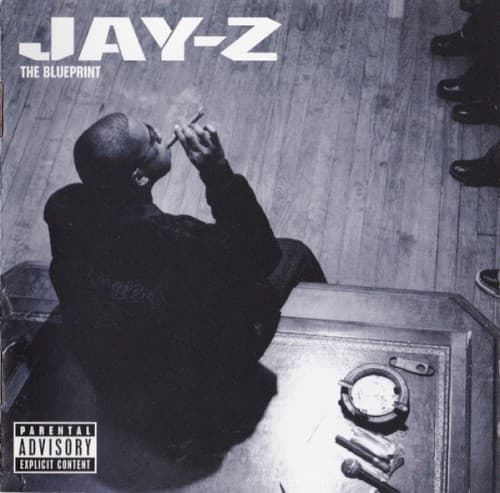
His production choices evolved alongside his ambitions. Early albums leaned into the raw boom-bap aesthetic that defined mid-nineties New York, with producers like DJ Premier and Ski Beatz providing hard-hitting, sample-heavy backdrops. But The Blueprint marked a sonic pivot that would reshape mainstream hip-hop's sound for years. Working primarily with Kanye West and Just Blaze, JAY-Z embraced what became known as chipmunk soul—pitched-up vocal samples from classic R&B and soul records layered over heavy drums. The result felt simultaneously nostalgic and futuristic, giving his narratives a warmth and emotional resonance that contrasted with the clinical precision of his flow.
Production became part of the storytelling. On Watch the Throne, the maximalist, arena-sized beats matched the album's themes of luxury and excess. On 4:44, the stripped-down, No I.D.-helmed instrumentals created space for vulnerability and reflection. JAY-Z understood early that sonic environment shapes how listeners receive your words. He didn't just pick beats—he curated complete aesthetic experiences, each album era arriving with its own visual language and sonic signature.
Building an Empire While Perfecting the Craft
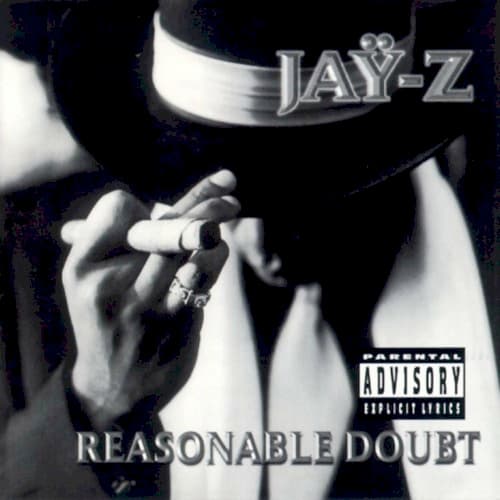
Reasonable Doubt arrived in 1996 as a fully formed artistic statement. While it didn't immediately dominate charts, it established JAY-Z as a technical purist with sophisticated taste—someone equally comfortable over Premier's boom-bap as he was with the smooth jazz samples that colored tracks like "Feelin' It." The album became a slow-burn classic, the kind of record that rap purists return to for its balance of street authenticity and luxurious aspiration. It set the template: JAY-Z would never choose between commercial success and artistic credibility. He'd pursue both simultaneously.
The late nineties saw him ascend to mainstream dominance. Vol. 2... Hard Knock Life brought him pop radio success without dilution, its title track flipping an Annie musical sample into an anthem about survival. He was moving units, headlining arenas, becoming the face of Roc-A-Fella's growing empire. But September 11, 2001, changed everything—not globally, but personally for his catalog. The Blueprint dropped that morning, and its impact extended beyond sales. This was JAY-Z at his most confident and creatively adventurous, working with hungry young producers who reimagined what East Coast rap could sound like. The album earned a 9.2 rating in our review for good reason: it captured an artist at the peak of his powers, innovating while staying rooted.
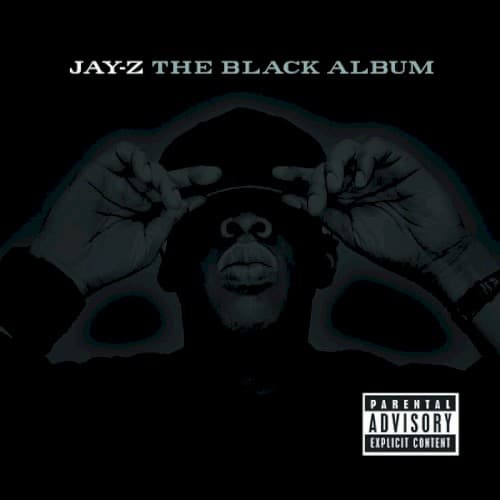
He announced his first retirement in 2003 with The Black Album, a victory lap that felt less like an ending than a consolidation of influence. Of course, retirement didn't last. Kingdom Come arrived in 2006, and while it didn't match The Blueprint's critical reception, it proved JAY-Z could walk away and return on his own terms. The following years brought experimentation—the autobiographical American Gangster, the stadium-sized collaboration with Kanye West on Watch the Throne, the sparse electronic textures of Magna Carta Holy Grail.
But 4:44, released in 2017, represented something rarer: public reckoning. Responding indirectly to Beyoncé's Lemonade and addressing infidelity, financial wisdom, and generational wealth, the album showed an artist willing to be uncomfortable. The bars about Fred Hampton, reparations, and the importance of property ownership sat alongside confessions about personal failure. It reminded everyone that JAY-Z's evolution hadn't stopped—he was still pushing himself into new emotional territories even as he approached fifty.
Beyond albums, his business moves rewrote the playbook. Roc-A-Fella became Roc Nation, a full-service entertainment company. He launched Tidal, attempting to shift power dynamics in streaming. He became the first billionaire rapper not through music alone but through strategic investments in everything from cognac to art. Each venture reinforced the central thesis of his career: ownership generates generational change.
Redefining What a Rapper Could Become
JAY-Z's influence operates on multiple frequencies. Musically, he demonstrated that commercial rap could maintain artistic integrity, that you didn't have to choose between Hot 97 and critical respect. The Blueprint's production aesthetic shaped a generation of mainstream hip-hop, while his songwriting approach—those compressed, multi-layered narratives—became a masterclass in efficient storytelling. Rappers still study his pocket, his breath control, his ability to make complexity sound effortless.
Culturally, he expanded hip-hop's possibility space. Before JAY-Z, rappers endorsed products. After JAY-Z, they owned companies. He didn't invent hip-hop entrepreneurship—Russell Simmons and Master P built empires before him—but he systematized it, made it central to the artistic narrative rather than separate from it. When he rapped about painting the Louvre or buying buildings, he was literally describing his life. That collapse of metaphor into reality changed how young artists thought about their careers. Rapping became the entry point to everything else.
His longevity matters too. Three decades into his career, JAY-Z remains culturally relevant without chasing trends. He doesn't adapt to the algorithm—he operates above it, releasing music on his own timeline, speaking to mature audiences the industry often ignores. That sustainability, that refusal to burn out or fade away, provides a different model than the rapid-consumption cycle dominating modern hip-hop. He proved that if you build correctly, the platform sustains itself.
Perhaps most significantly, JAY-Z changed the conversation around what success meant. Not just platinum plaques but museum acquisitions. Not just sold-out shows but ownership of the venue. He made financial literacy part of hip-hop's vocabulary, using his platform to discuss wealth-building, asset accumulation, and the long-term thinking that creates dynasties rather than moments. Whether you admire that focus or critique its capitalist framing, you can't deny its impact on how hip-hop artists now navigate their careers.