Style & Context
Influences
Afrofuturism, Y2K aesthetic, sci-fi cinema, video game design, cyberpunk visual culture
Location
Missy's Portsmouth, Virginia roots disappear here as she claims an intergalactic creative territory.
Visual Language
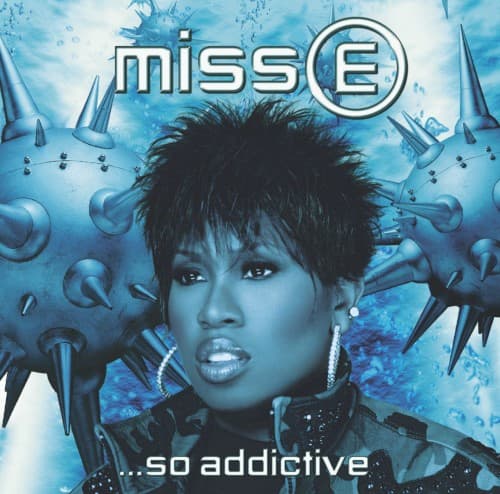
The cover employs digital manipulation to create a space-age vision rarely seen in hip-hop.
Symbols
Floating metallic spheres
The orbs represent the orbiting satellites of her creative universe and sonic experimentation.
Spiky black hair
Her asymmetrical haircut defies traditional femininity expectations in early 2000s R&B and pop.
Blue skin tone
The tinted complexion positions her as non-human, transcending race and gender categories entirely.
Where Sound Meets Image
The cybernetic visual language directly mirrors the album's electronic production, featuring Timbaland's signature synth-heavy beats and unconventional rhythms. Tracks like 'Get Ur Freak On' incorporated bhangra samples and tabla drums, creating otherworldly soundscapes that this alien imagery perfectly complements. The chrome spheres echo the metallic percussion sounds throughout the record, while the cold blue tones match the detached, futuristic vocal processing Missy employed. The cover promises exactly what the music delivers: hip-hop that sounds like nothing else in 2001.
This cover established Missy Elliott as hip-hop's premier visual futurist and influenced a generation of artists to embrace science fiction aesthetics. The Y2K digital styling became a reference point for 2010s and 2020s artists mining early internet culture. It demonstrated that female rappers could claim imaginative visual territory beyond glamour shots or street credibility poses, opening creative possibilities for artists like Nicki Minaj and Janelle Monáe.