Scorecard: 7.9/10 · Great
How we score- Writing(25%)
- 7.5
The battle raps lose steam after a while, but when Elliott shifts to body autonomy and desire on her terms—see the blunt premise of the title track or the way she frames casual sex as a scheduling decision—the writing is specific and unapologetic.
- Production(25%)
- 9.0
Timbaland assembles beats from tablas, bhangra samples, and staccato drum programming that still sound alien two decades later, building club tracks that refuse to resemble anything else on American radio in 2001.
- Delivery(15%)
- 8.0
Elliott moves between sing-song hooks, rapid-fire triplets, and a low hiss that turns condescension into rhythm, and the guest verses from Ludacris, Method Man, and Eve match her energy without stepping on it.
- Cohesion(15%)
- 6.5
The sequencing loses focus in the middle stretch where diss tracks pile up, and the remix of a song that already appeared eight tracks earlier makes the album feel padded despite strong individual cuts.
- Originality(10%)
- 8.5
The fusion of South Asian percussion with Southern bounce and electronic stutter created a template that pop and hip-hop would mine for years, but in 2001 nothing else sounded remotely like this collision.
- Replay value(10%)
- 7.5
The boldest tracks—especially the ones built on the most unusual production—hold up on repeat listens, though the insult-heavy middle section wears thin faster than the hooks and the beats.
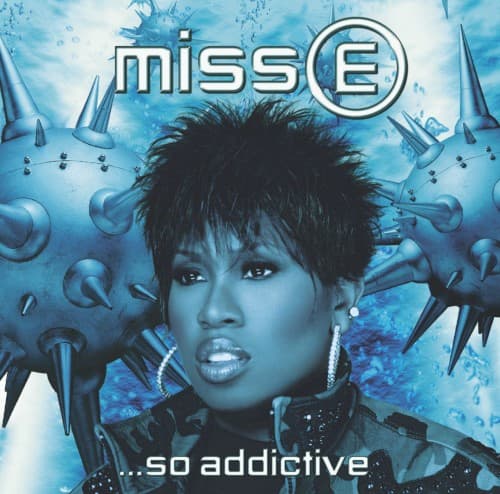
Missy Elliott Miss E... So Addictive — The Album That Sounded Like Nothing Else in 2001
Miss E... So Addictive is the album where Missy Elliott and Timbaland stopped trying to out-thump the competition and started building beats from sounds that American hip-hop radio had never used before. The thesis is audible thirty seconds into the lead single: tablas, bhangra samples, and a rhythm that skips like a scratched CD became a number one hit, and the rest of the album sustains that gamble. This is not a refinement of what Elliott did on her first two records; it is a sideways leap into production that treats global club music and Southern bounce as raw material for something entirely new. The result is an album that still sounds strange and still works as a collection of hooks.
The stakes in 2001 were whether Elliott could remain commercially dominant while refusing to make music that resembled anyone else's. She had already proven she could write hits; Miss E... So Addictive is the test of whether she could keep writing them while Timbaland chased increasingly eccentric production ideas. The answer is yes, with conditions.
The album spawned two massive singles and won two Grammys, debuted at number two, and went platinum in two months. But the sequencing sags under the weight of too many diss tracks aimed at enemies the listener does not know, and the decision to close the standard edition with a remix of a song that already appeared earlier makes the whole project feel less considered than the best individual moments deserve. The highs are among the most inventive hip-hop of the early 2000s. The filler is still filler.
Beats Built from Sounds Hip-Hop Wasn't Supposed to Use
The production is the reason the album matters. Timbaland constructs these tracks from tablas, distorted vocals, video game blips, and drum programming that moves in stutters and skips rather than the steady thump that defined most mainstream rap in 2001. The bhangra-inflected drums on the title single became the album's calling card, but the strangeness runs deeper. The beat on Scream a.k.a. Itchin is built from a two-note whine and a bassline that sounds like it is trying to escape the song.
X-Tasy uses a music box melody and a slowed-down vocal sample that Timbaland chops into a rhythm rather than a hook. These are not beats designed to sound tough or to nod to classic soul; they are designed to make the listener stop and ask what they are hearing. That was the point, and it worked.
Elliott's writing leans heavily on battle raps and dismissals of critics, which gets repetitive. Lick Shots and Step Off are solid examples of the form—sharp, specific insults delivered with enough venom to make them stick—but by the time the album reaches the third or fourth track about people who doubted her, the subject starts to feel like a writing crutch. The stronger material comes when she shifts to sex and power dynamics on her own terms. One Minute Man flips the casual hookup into a time limit enforced by the woman, not the man. Dog in Heat frames desire as something she controls and ends when she chooses. The writing is blunt and unapologetic, and it works because Elliott delivers it with the same confidence she brings to the diss tracks, without the repetition.
The guest verses are well-chosen. Ludacris on One Minute Man matches Elliott's rhythm and adds his own specificity to the premise. Method Man and Redman on Dog in Heat bring exactly the energy the track needs without overwhelming it. Eve on 4 My People is sharp and direct.
The weaker moment is the interlude from Busta Rhymes, which is a Busta Rhymes interlude: loud, busy, and over before it matters. Timbaland appears on multiple tracks as a hype man and occasional vocalist, and his presence works better when he stays in the background. His voice is not the draw; his beats are.
An Album That Peaks Early and Loses the Thread in the Middle
The sequencing front-loads the best material and then meanders. The opening run from the intro through the fifth track is as strong as any five-track stretch in early 2000s hip-hop: each song introduces a new idea, the beats are inventive, and the hooks land. The momentum continues for the next two tracks, but by the time the album reaches the middle stretch, it starts to feel like a collection of solid tracks rather than a deliberate sequence. The diss tracks cluster together and blur into one another. The pacing sags.
The decision to include the remix as the sixteenth track, eight songs after the original, is a mistake. The remix is not a bonus track or a hidden cut; it is part of the standard tracklist, and it makes the album feel longer than it needs to be. The hidden bonus tracks are gospel-influenced and feature a lineup of prominent vocalists, but they are sequenced so far past the official closer that most listeners would not hear them without skipping through blank tracks. The whole back half of the album feels like it was assembled with less care than the front half earned. The length is not justified.
Where It Ranks and Who Should Start Here
Miss E... So Addictive is not Elliott's most consistent album—it is too long and too reliant on battle raps to claim that—but it is her most sonically adventurous, and the best tracks here are among the best in her catalog. The production alone is enough to make it essential listening for anyone interested in how hip-hop absorbed global sounds in the early 2000s, and Elliott's willingness to center her own desire and control in the writing set a standard that pop and rap would follow for years. The album has aged well where it was bold and aged poorly where it was repetitive. The sequencing is the main weakness; trimmed to twelve or thirteen tracks, this would be a stronger record.
Start with Get Ur Freak On, One Minute Man, and Scream a.k.a. Itchin. Those three tracks demonstrate what the album does best: production that sounds like nothing else, writing that shifts power dynamics, and delivery that turns condescension into rhythm. Skip the back half if you are looking for focus.
If you want to hear where Elliott and Timbaland went next, check out Under Construction, which refines the experimentation here into a tighter, more deliberate album. If you want to hear what this album sounded like in context, try Ludacris Word of Mouf or Outkast Stankonia, both released within months of this one and both working in the same spirit of invention without the same willingness to ignore American hip-hop's sonic expectations. Miss E... So Addictive is the album where Elliott and Timbaland proved they could make hits that sounded alien. That is enough.
Track Listing
... So Addictive (intro)
●A brief scene-setter with Tweet on vocals, establishing the album's confident, playful tone without overstaying its welcome.
Dog in Heat
▲Elliott frames desire as something she controls and ends when she chooses, and the beat—built from a looped vocal sample and a bassline that bounces without settling—gives Method Man and Redman room to match her energy. The writing is blunt and specific, and the hook is direct enough to work without being clever. This is Elliott at her most unapologetic, and the guest verses add rather than distract. The production skitters in a way that should not work for a song this aggressive, but Timbaland makes it work.
One Minute Man
▲The premise is simple and effective: Elliott sets a time limit on casual sex and enforces it, flipping the usual power dynamic in a hookup song. Ludacris on the second verse brings his own specificity to the idea, and the beat is spare enough to let the writing do the work. The hook is catchy without being subtle. This became a hit because the concept was clear and the execution was sharp, and it holds up because the beat still sounds minimal and strange in the best way. Timbaland uses a drum pattern that feels off-balance but never loses momentum.
Lick Shots
●A diss track aimed at unnamed critics, delivered with enough venom to make it stick. The beat is built from a bassline that punches and a hi-hat pattern that rushes, and Elliott's flow moves between rapid-fire triplets and a slower, more deliberate cadence. The writing is sharp in the moment but does not add much to the album's larger argument. Solid execution of a form that gets overused here.
Get Ur Freak On
▲The song that defined the album and set the template for a decade of pop and hip-hop production. Timbaland builds the beat from tablas, bhangra samples, and a rhythm that skips and stutters in a way that American radio had never heard before, and Elliott's delivery—moving between a low hiss and a sing-song hook—turns the strangeness into a club track. The writing is not the point; the sound is. This is still the most inventive and influential track on the record, and it won a Grammy for a reason. The production holds up two decades later because it never tried to sound like anything else.
Scream a.k.a. Itchin'
▲Timbaland on the hook, a two-note whine that becomes the foundation of the beat, and a bassline that refuses to settle into a groove. Elliott's verse is about sexual frustration and desire, delivered with the same confidence she brings to her diss tracks. The production is as strange as anything on the album—video game blips, distorted vocals, drums that punch and then disappear—and it earned Elliott a Grammy for Best Female Rap Solo Performance. The song works because the production is so committed to sounding alien that the writing does not have to do much beyond match the energy.
Old School Joint
●A love letter to classic hip-hop, built on a beat that nods to boom-bap without trying to recreate it. Elliott's flow is relaxed, and the writing is nostalgic without being precious. The production is warmer than most of the album, with a bassline that sits in the pocket and drums that thump rather than skip. This is a breather between the more experimental tracks, and it works as a contrast, though it is not as memorable as the songs that surround it.
Take Away
●A slow jam with Ginuwine on the hook, built on a beat that uses strings and a bassline that barely moves. Elliott's verse is about loyalty and partnership, a shift from the battle raps and the sex jams that dominate the rest of the album. The production is lush but feels like it belongs on a different record. The song is well-executed but does not add much to the album's argument, and the pacing drags.
4 My People
▲A club track with Eve on the second verse, built on a beat that uses a synth line and a drum pattern that punches and skips. The hook is designed for crowd participation, and the production is relentless. Elliott's verse is about resilience and community, and Eve matches her energy without stepping on it. This became an international club hit, and the Basement Jaxx remix extended its reach. The song works because the energy never lets up and the beat is built to move bodies. One of the album's strongest moments.
Bus-A-Bus (interlude)
●Busta Rhymes doing Busta Rhymes things: loud, rapid-fire, and over before it registers. Filler.
Watcha Gonna Do
●Built on an uncredited sample from Fela Kuti, the beat is looser and more organic than most of the album, with a bassline that grooves rather than skips. Elliott's verse is another round of dismissals aimed at critics and doubters, and by this point in the album the subject feels overused. Timbaland appears on the hook, and his presence adds little. The production is the highlight; the writing is repetitive.
Step Off
●Another diss track, this one aimed at a romantic rival. The writing is sharp and specific, and Elliott's delivery is cold and direct. The beat is minimal—drums, a bassline, and not much else—and it works because the writing does the work. But this is the third or fourth track about dismissing enemies, and the subject is wearing thin.
X-Tasy
●A music box melody, a slowed-down vocal sample chopped into a rhythm, and a beat that feels like it is underwater. Elliott's verse is about desire and control, and the production is as strange as anything on the album. The song works because Timbaland commits to the weirdness, but it is not as immediately catchy as the best tracks here. Interesting but not essential.
Slap! Slap! Slap!
●Da Brat and Jade join Elliott for a posse cut about dismissing men who do not meet their standards. The beat is aggressive and direct, with drums that punch and a bassline that barely moves. The writing is blunt, and the guest verses add energy without adding much substance. This is a solid execution of a familiar premise, but it does not stand out on an album full of stronger material.
I've Changed (interlude)
●Lil Mo on vocals, a brief moment of reflection before the remix that should have been a bonus track. It does not add much.
One Minute Man (remix)
▼Jay-Z replaces Ludacris on the second verse, and the beat is identical to the original. The remix is competent but unnecessary, and its placement as track sixteen—eight songs after the original—makes the album feel padded. This should have been a bonus track or a B-side, not part of the standard tracklist.
Higher Ground (Prelude)
●A brief gospel intro to the final track, setting the tone for the choir-backed closer. Functional but forgettable.
Higher Ground
●A gospel-influenced closer with vocals from Karen Clark Sheard, Yolanda Adams, Kim Burrell, Dorinda Clark Cole, Mary Mary, and Tweet. The production is lush and reverent, and the vocals are powerful. The song is well-executed, but it feels disconnected from the rest of the album, and its placement as a hidden track means most listeners would not hear it without skipping through blank space. A strong performance sequenced poorly.