The Shaolin Empire Expands Its Territory
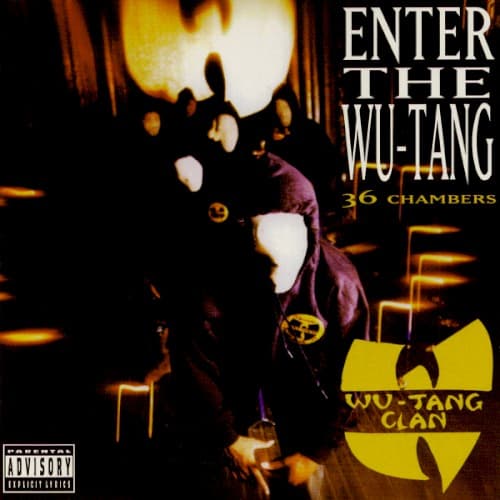
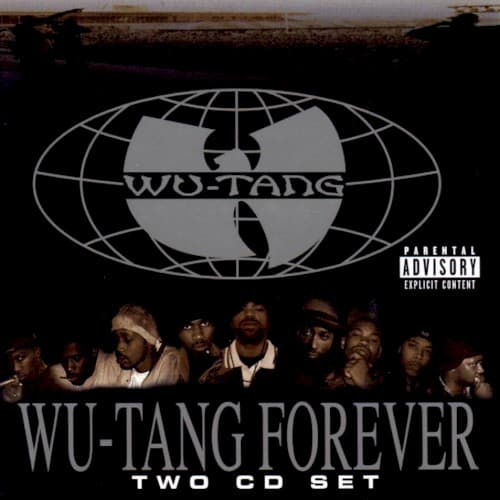
When Wu-Tang Clan returned in the summer of 1997 with Wu-Tang Forever, they were no longer hungry underdogs from Staten Island. They were industry titans presiding over a sprawling commercial empire. The four years since Enter the Wu-Tang had transformed the group from underground legends into mainstream powerhouses, with solo albums from Method Man, Ol' Dirty Bastard, Raekwon, GZA, and Ghostface Killah establishing individual identities while keeping the collective mystique alive. The pressure was immense: could nine volatile personalities reconvene and deliver something that justified the hype?
The answer arrived as a double album spanning 112 minutes across 27 tracks. This was not the focused, claustrophobic intensity of their debut. Wu-Tang Forever sprawls by design, offering room for every member to showcase growth while RZA expanded his sonic palette beyond the grimy basement aesthetics that defined their first chapter. The production incorporates live instrumentation, soul samples, and cinematic arrangements that signal ambition over raw aggression. Commercial success was no longer a question—the album debuted at number one and went quadruple platinum—but artistic validation remained the real test. Could the Clan maintain their edge while operating at this scale?
What emerges is an album caught between two identities: the street-level warriors who built their reputation on raw lyricism and innovative production, and the industry heavyweights navigating major label expectations and massive budgets. That tension produces both the album's greatest strengths and its occasional weaknesses, creating a document that captures Wu-Tang at a crossroads between underground credibility and mainstream dominance.
Sonic Evolution and the Weight of Success
RZA's production on Wu-Tang Forever represents a calculated expansion of his signature sound rather than a complete reinvention. The murky, sample-heavy aesthetic remains, but it's polished and layered with additional elements that reflect a bigger budget and broader ambitions. Tracks like Triumph demonstrate this evolution perfectly—the production still feels ominous and minimalist, but there's a crispness and clarity that wasn't present on 36 Chambers. The drums hit harder, the samples are cleaner, and the overall mix accommodates nine different vocal styles without sonic mud.
The incorporation of live instrumentation marks the most significant sonic shift. Maria builds around a haunting vocal sample and string arrangements that elevate the production beyond loop-based hip-hop into something approaching orchestral soul. A Better Tomorrow similarly employs lush instrumentation to create an aspirational atmosphere that contrasts sharply with the violent imagery dominating much of the album. These moments suggest RZA envisioned Wu-Tang Forever as more than a rap album—it's a statement of artistic range, proving the group could operate in multiple sonic territories simultaneously.
Lyrically, the album showcases each member's individual evolution while maintaining the competitive, verse-trading dynamic that made the group special. Inspectah Deck continues his run of delivering show-stealing verses, particularly on Triumph where he opens with arguably one of the strongest opening verses in hip-hop history. Ghostface's abstract storytelling has grown more refined, Method Man's charisma remains undeniable, and GZA's cerebral wordplay cuts through the chaos with surgical precision. The challenge becomes balancing nine distinct voices across nearly two hours of material without losing momentum or listener engagement.
The double album format proves both blessing and curse. It allows Wu-Tang to operate without compromise, giving every member multiple spotlight moments and RZA space to experiment with different production approaches. But the lack of editing creates pacing issues that undermine the album's overall impact. Certain tracks feel like extensions of ideas rather than fully realized songs, and the sheer volume of material makes it difficult for casual listeners to identify entry points or through-lines. Where 36 Chambers felt like a tightly wound statement of purpose, Wu-Tang Forever occasionally meanders, trusting that listener devotion will carry them through the slower passages.
Thematically, success itself becomes a recurring subject. The group wrestles with maintaining street credibility while operating in the commercial mainstream, addressing both the spoils of victory and the complications that accompany visibility. Cash Still Rules/Scary Hours acknowledges that financial motivation remains constant even as the numbers grow larger. Visionz finds members reflecting on their trajectory and the responsibilities that come with influence. These aren't fully introspective tracks—Wu-Tang rarely indulges in confessional vulnerability—but they reveal an awareness that the game has changed and their position within it requires navigation rather than simple conquest.
The album's greatest strength lies in its demonstration of technical mastery. These are supremely confident lyricists operating at the peak of their abilities, trading verses with the competitive intensity of a cipher while maintaining enough cohesion to sound like a unified force. When the energy peaks—on Triumph, Reunited, or Hellz Wind Staff—the result justifies every minute of runtime. The problem emerges during the valleys, where the album's ambition exceeds its execution and the lack of curation becomes apparent.
A Sprawling Document of Commercial Peak and Creative Ambition
Wu-Tang Forever captures a group at the height of its commercial power attempting to balance mainstream expectations with underground credibility. It succeeds more often than it stumbles, delivering numerous peak Wu-Tang moments while occasionally getting lost in its own ambition. The album's length remains its most controversial element—trim eight tracks and it would stand alongside the debut as an essential document, but the version that exists reflects RZA's maximalist vision and the group's refusal to compromise.
The production evolution demonstrates RZA's growth as an artist and his willingness to expand beyond the formula that brought initial success. Some experiments work better than others, but the ambition itself deserves recognition. Lyrically, this is Wu-Tang at their technical peak, with each member having refined their individual style through solo projects and returned with sharper skills and clearer identities. The chemistry remains intact even as the stakes have risen.
Ultimately, Wu-Tang Forever stands as a monument to a specific moment in hip-hop history when underground artists could achieve massive commercial success without completely abandoning the aesthetics that made them special. It's imperfect and overlong, but those flaws feel inseparable from its strengths—this is a group operating without safety nets, trusting that their vision and skills would carry them through. For fans willing to invest the time, the album rewards repeated listening with hidden depths and connections that only emerge after multiple passes. It's not the revelation that 36 Chambers was, but it didn't need to be. This is Wu-Tang cementing their legacy rather than establishing it, and on those terms, the album succeeds.
Track Listing
Wu‐Revolution
An atmospheric opening that sets a philosophical tone rather than hitting listeners with immediate aggression. The track samples dialogue about revolution and knowledge, positioning the album as something larger than entertainment. It's a bold choice that signals Wu-Tang's expanded ambitions, though some listeners may find it a slow burn compared to the instant impact of their debut's opening. The production establishes mood and context while allowing the group to frame their return as a cultural event rather than simply another album release.
Reunited
The first proper single and a statement of confidence. The production glides with polished soul samples that give the track crossover appeal without sacrificing Wu-Tang's edge. Each member delivers verses that acknowledge their time apart while reasserting collective dominance. Method Man's hook proves immediately memorable, and the overall vibe balances celebration with competitive fire. This became one of the album's most commercially successful moments while satisfying core fans who valued the technical prowess on display.
For Heavens Sake
A showcase for lyrical density and technical skill. The production provides space for the verses to breathe while maintaining momentum through subtle percussion and atmospheric elements. Multiple members trade bars with the competitive intensity of a cipher, each trying to outdo the previous verse. The track rewards close listening with intricate wordplay and internal rhyme schemes that demonstrate how much each member had grown as a lyricist during their time focusing on solo material.
Cash Still Rules/Scary Hours (Still Don't Nothing Move but the Money)
A direct callback to their debut that acknowledges financial motivation remains constant even as their circumstances have changed. The production maintains the grimy aesthetic of their earlier work while the lyrics explore how success complicates but doesn't fundamentally alter their relationship with money. It's one of the album's more focused moments, cutting through the occasionally philosophical tone elsewhere with street-level pragmatism. The track functions as both continuation and evolution of themes established on Enter the Wu-Tang.
Visionz
A slower, more contemplative track that finds members reflecting on their journey and future direction. The production incorporates soul samples and live instrumentation to create a meditative atmosphere that contrasts with the album's harder-hitting moments. The verses balance introspection with forward-looking ambition, suggesting the group understood they were at a crossroads. While it lacks the immediate impact of their more aggressive material, Visionz offers thematic depth that adds dimension to the album's overall narrative.
As High as Wu‐Tang Get
The production elevates with layered samples and a hypnotic rhythm that supports the title's suggestion. Members deliver verses that showcase technical skill while maintaining the loose, confident energy of a group operating at the peak of their abilities. The track demonstrates Wu-Tang's capacity for creating atmosphere through production choices and vocal delivery rather than relying solely on lyrical aggression. It's one of the album's more experimental moments, proving the group could stretch beyond their established formula.
Severe Punishment
A harder-edged track that returns to the threatening energy of their debut. The production strips away the polish heard elsewhere, offering rawer drums and darker samples that provide the perfect backdrop for aggressive verses. Multiple members deliver threatening bars with the technical precision that made Wu-Tang formidable, reminding listeners that commercial success hadn't softened their approach. The track serves as an important counterbalance to the album's more commercially minded moments.
Older Gods
The production incorporates soul elements and a mid-tempo groove that gives members room to explore different flows and subject matter. The title suggests wisdom gained through experience, and the verses generally deliver on that promise with observations about street life, industry politics, and the responsibilities that come with influence. It's one of the album's longer tracks, which works both for and against it—there's room for depth, but also moments where tighter editing might have strengthened the overall impact.
Maria
Perhaps the album's most musically ambitious track, built around haunting vocal samples and lush string arrangements that push RZA's production into new territory. The emotional tone differs significantly from the battle-rap intensity dominating much of the album, allowing for more vulnerable and introspective verses. It's a risk that largely pays off, demonstrating Wu-Tang's range and RZA's growth as a producer willing to incorporate elements beyond traditional boom-bap aesthetics. The track stands as evidence of what the album achieves when ambition meets execution.
A Better Tomorrow
An aspirational track that balances street realism with hope for positive change. The production employs uplifting instrumentation while the verses acknowledge systemic problems without succumbing to nihilism. It's one of the album's more accessible moments, both musically and thematically, though some fans might find it too optimistic compared to the group's typically harder-edged material. The track reveals complexity in Wu-Tang's worldview, suggesting that success had given them space to imagine alternatives to the violence depicted elsewhere.
It's Yourz
A smoother, more radio-friendly track that closes the first disc with commercial appeal. The production incorporates melodic elements and a sing-song hook that makes it instantly memorable, though some purists might argue it sacrifices edge for accessibility. The verses maintain lyrical quality even as the overall vibe leans toward crossover potential. It's a strategic placement that ends the disc on an upbeat note before diving back into harder material on the second disc.
Intro
The second disc opens with another atmospheric introduction that resets the mood and prepares listeners for another hour of material. It's brief and functional, serving to separate the album's two halves while maintaining the cinematic approach RZA favored. The production elements and vocal samples create anticipation without overstaying their welcome, acknowledging that an intermission is necessary given the album's ambitious scope.
Triumph
Arguably the album's greatest achievement and one of Wu-Tang's finest collective performances. Inspectah Deck's opening verse remains legendary, but every member rises to the challenge with quotable lines and distinctive flows. The production moves with ominous momentum, giving each verse space while maintaining relentless forward energy. This is Wu-Tang operating at absolute peak—technically precise, creatively inspired, and unified in purpose. The track alone justifies the album's existence and stands among the greatest posse cuts in hip-hop history.
Impossible
A darker, more introspective track that showcases Wu-Tang's capacity for melancholy without losing their edge. The production carries emotional weight through minor-key melodies and sparse percussion, while the verses explore themes of struggle and survival with personal specificity. It's one of the album's more emotionally resonant moments, proving the group could convey depth beyond battle-rap aggression. The track benefits from its placement after Triumph, offering necessary tonal variation.
Little Ghetto Boys
The track samples Donny Hathaway and examines urban poverty with the specificity that made Wu-Tang's early work resonate. The production balances soul samples with harder drums, creating a backdrop that's both melodic and confrontational. The verses detail street-level realities without romanticizing or oversimplifying, maintaining the group's commitment to authentic representation. It's one of the album's more socially conscious moments, though it never sacrifices entertainment value for message.
Deadly Melody
The production emphasizes RZA's ear for unusual samples and sparse arrangements that create tension through what's left out as much as what's included. Multiple members deliver verses that balance technical wordplay with threatening energy, maintaining the competitive atmosphere that defines Wu-Tang's best work. The track demonstrates that even deep in a double album's runtime, the group could maintain quality and intensity without resorting to filler.
The City
An examination of urban survival that benefits from strong verses and production that captures the chaos and beauty of city life simultaneously. The track avoids the clichés that trap lesser artists when addressing this subject matter, instead offering specific observations grounded in lived experience. Multiple members contribute perspectives that collectively build a multifaceted portrait rather than a single narrative, showcasing Wu-Tang's strength in creating thematic cohesion through diverse voices.
The Projects
A companion piece to The City that narrows focus to project housing and the specific challenges of that environment. The production maintains a raw edge that complements the subject matter, while the verses balance critique with pride in surviving difficult circumstances. It's one of the album's more focused tracks, benefiting from a clear thematic center that gives all contributors a shared target. The track reinforces Wu-Tang's connection to the communities that shaped them.
Bells of War
An aggressive track that lives up to its title with militant production and confrontational verses. The energy level spikes here, providing a jolt late in the album's runtime when listener fatigue might otherwise set in. Multiple members deliver threatening bars with the technical precision that made Wu-Tang formidable, reminding anyone who assumed commercial success meant softening that the group maintained their edge. The production incorporates dramatic elements that heighten the warfare theme.
The M.G.M.
A showcase for lyrical prowess over relatively minimalist production that puts the focus squarely on vocal performances. Members trade verses with competitive intensity, each attempting to deliver the most memorable lines and complex rhyme schemes. It's the kind of track that rewards repeated listening as the technical details reveal themselves over time. The stripped-down approach proves effective, demonstrating that Wu-Tang didn't always need elaborate production to maintain impact.
Dog Sh*t
A deliberately confrontational track that maintains Wu-Tang's willingness to be abrasive and uncompromising. The production is raw and aggressive, providing the perfect backdrop for verses that don't concern themselves with commercial appeal or broad accessibility. It's the kind of moment that separates casual fans from devoted ones, offering unfiltered Wu-Tang energy without concessions to mainstream tastes. The track serves as an important reminder of the group's underground roots.
Duck Seazon
The production incorporates funk elements and a bouncing rhythm that gives members room to showcase different flows and personalities. The verses balance humor with threats, maintaining Wu-Tang's tonal complexity and resistance to one-dimensional characterization. It's one of the album's more playful moments without sacrificing lyrical quality or technical skill. The track demonstrates the group's range and their ability to modulate energy levels across a long runtime.
Hellz Wind Staff
A longer track that allows for extended verses and showcases multiple members at their peak. The production maintains momentum through layered samples and shifting rhythmic patterns that prevent monotony despite the extended length. The verses explore various subjects with the confidence of artists operating at the height of their abilities, unafraid to experiment with structure or conventional song format. It's one of the album's deeper cuts that rewards invested listeners.
Heaterz
The production emphasizes hard-hitting drums and aggressive samples that provide the perfect backdrop for confrontational verses. Multiple members deliver threats and boasts with the technical precision that defined Wu-Tang's appeal, reminding listeners why the group dominated in cipher-style competitions. The track maintains high energy late in the album's runtime, fighting against the fatigue that inevitably accompanies double-album listening experiences.
Black Shampoo
One of the album's more experimental moments, with production that incorporates unusual samples and rhythmic choices that distinguish it from the surrounding material. The verses maintain quality even as the sonic backdrop pushes boundaries, demonstrating Wu-Tang's willingness to take risks even on a commercially important project. It's the kind of track that might not connect immediately but grows with repeated exposure as its unconventional elements become familiar.
Second Coming
A late-album track that maintains energy and quality despite appearing near the end of an exhausting runtime. The production balances accessibility with edge, while the verses remind listeners of Wu-Tang's technical superiority and competitive fire. It's a strong contribution that suffers mainly from placement—by this point, even devoted fans might be experiencing fatigue. In a tighter album sequence, this track would receive more attention.
The Closing
A brief outro that provides closure to the sprawling double-album experience. It's atmospheric and reflective, allowing listeners to process the massive amount of material they've just absorbed rather than ending abruptly. The production and samples create a sense of finality while hinting at future possibilities, acknowledging this chapter's end while suggesting the story continues beyond this album's scope.
Sunshower
A hidden gem that closes the album with unexpected beauty. The production incorporates soul samples and live instrumentation to create one of the album's most musically sophisticated moments. The verses balance introspection with the lyrical skill expected from Wu-Tang, offering a contemplative conclusion rather than another aggressive statement. It's a fitting end that demonstrates the album's range and RZA's growth as a producer willing to explore beyond established boundaries.
Projects International Remix
A remix that extends the album even further, offering an alternative version of earlier material with adjusted production and sometimes different verses. It serves fans who want maximum content while potentially exhausting casual listeners already overwhelmed by the standard album's length. The track reinforces Wu-Tang's commitment to value and their refusal to edit themselves, for better and worse. It's a bonus for completists rather than essential listening for most audiences.