From Chicago's Underground to Conscious Hip-Hop's Forefront
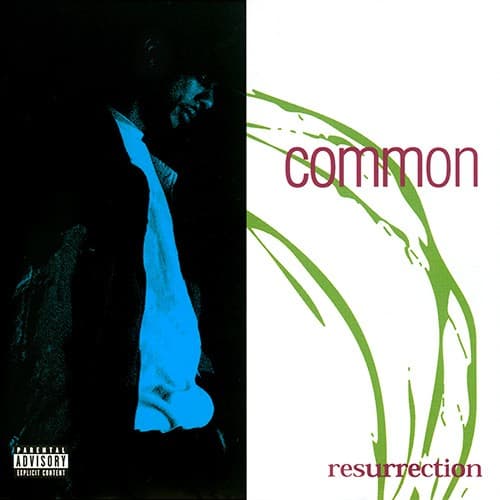
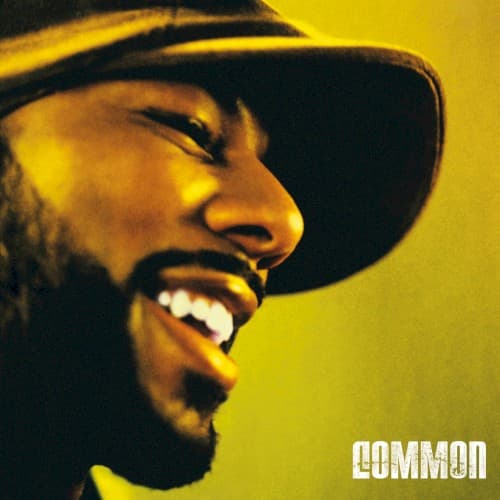
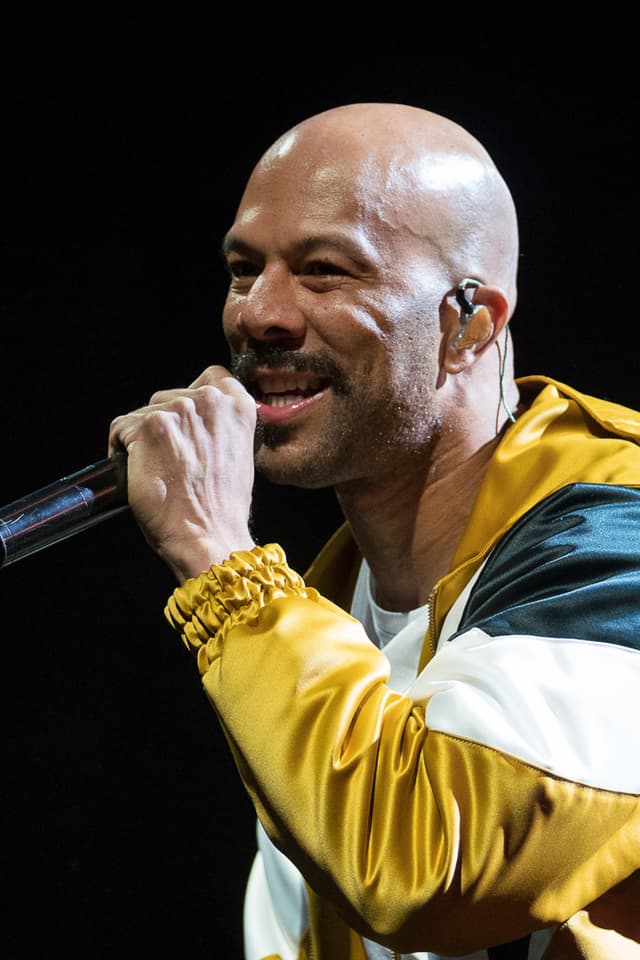
Lonnie Rashid Lynn Jr., performing as Common, emerged from Chicago's South Side in the early 1990s with a mission that felt counterintuitive to the era's prevailing winds. While gangsta rap dominated commercial radio and the coasts battled for supremacy, Common carved out territory for introspective storytelling, jazz-inflected production, and an intellectual approach to hip-hop that never sacrificed authenticity for accessibility. His 1994 breakthrough Resurrection established him as a vital voice in hip-hop's conscious movement, a term he'd later complicate and expand through decades of evolution.
What distinguishes Common's career is its refusal of simple categorization. He navigated the tension between underground credibility and mainstream ambition without fully surrendering to either pole. His collaborations with producers like J Dilla, Kanye West, and The Roots created sonic landscapes that honored hip-hop's sample-based heritage while pushing toward new textures. By the time he transitioned into acting and activism, Common had accumulated enough cultural capital to represent hip-hop in spaces that once seemed impossibly distant from the genre's origins.
That geographic positioning matters too. Chicago's hip-hop scene in the early nineties existed outside the East Coast-West Coast binary, allowing Common room to develop without the weight of regional expectations. He carried Chicago's distinct sensibility — grounded, working-class, intellectually curious — into a career that would eventually span film, poetry, social justice work, and a Grammy-winning catalog that proved conscious rap could achieve both critical respect and commercial traction.
The Evolution of Common's Sound: From Boom Bap Purist to Soul-Jazz Innovator
Common's early work arrived as boom bap orthodoxy, rooted in the sample-heavy, drum-break aesthetics that defined hip-hop's golden age. His delivery on Resurrection showcased a rapper completely in control of rhythm and pocket, riding No I.D.'s production with the confidence of someone who understood exactly where the beat's sweet spot lived. His flow emphasized clarity over speed, philosophical depth over punchline density. He sounded like someone engaged in conversation rather than competition, which immediately separated him from the aggressive posturing that characterized much mid-nineties rap.
The sonic shift came gradually through his partnerships with The Roots and particularly through his work with J Dilla, whose production on Like Water for Chocolate redefined what conscious rap could sound like. Dilla's neo-soul influenced beats gave Common space to explore melody, vulnerability, and romance without abandoning his social consciousness. The Soulquarians collective — that loose confederation of artists including Questlove, D'Angelo, and Erykah Badu — provided creative infrastructure for Common to move beyond strict hip-hop formalism into something more fluid and genre-defiant.
When Kanye West became Common's primary producer in the mid-2000s, the sound shifted again toward orchestral soul samples and chipmunk-pitched vocals that defined Kanye's signature. This era brought Common his greatest commercial success but also sparked debate about whether the sonic lushness compromised the rawness that made his earlier work compelling. Yet Common's voice remained constant through these production shifts — measured, thoughtful, grounded in lived experience rather than fantasy. His flow never chased trends, maintaining that conversational cadence even as the beats underneath evolved from stripped-down loops to maximalist arrangements.
Common's Enduring Impact: Redefining What a Conscious Rapper Could Become
Common's legacy operates on multiple registers. Within hip-hop, he represents a bridge between eras and aesthetics — connecting the golden age boom bap tradition to the neo-soul movement and eventually to the more eclectic production approaches that defined 2000s rap. His consistent emphasis on lyricism and storytelling influenced a generation of Chicago artists, creating a template for how MCs from the city could maintain regional identity while achieving national reach. When Chance the Rapper speaks about positivity and consciousness in hip-hop, or when artists prioritize vulnerability over bravado, they're working in territory Common helped map.
Beyond the music, Common's career demonstrated that a hip-hop artist could build sustainable cultural relevance through diversification without diluting their core identity. His acting career, activism, and public intellectualism created a model for post-rap career longevity that few had successfully executed. He proved a rapper could perform at the White House, star in blockbuster films, and still maintain credibility within hip-hop's often unforgiving gatekeeping structures.
Yet Common's cultural positioning also sparked necessary debates about what "conscious rap" actually means and who it serves. Critics occasionally noted that his later mainstream success came at the cost of the sharper edges that defined Resurrection. His optimistic humanism sometimes felt inadequate to address the systemic violence and economic devastation facing black communities. These tensions don't diminish Common's importance — they illustrate how his career traced hip-hop's own complicated relationship with consciousness, commercialism, and cultural capital. He showed that thoughtful, jazz-influenced hip-hop could achieve commercial traction while raising questions about what gets lost in that translation. His influence persists not just in who he influenced but in the conversations his career continues to provoke about hip-hop's possibilities and limitations.