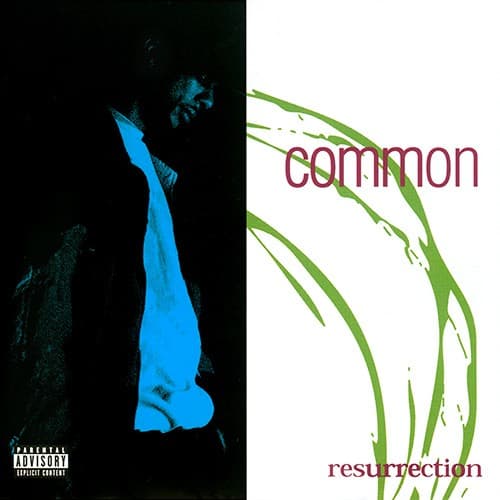
Common Resurrection — The Album That Saved Chicago Rap From Itself
Chicago hip-hop in the early nineties had a gang problem it could not solve. Not the Disciples or the Vice Lords — the industry kind, the label bosses who wanted Chicago rappers to sound like they were from anywhere else. West Coast g-funk was printing money, East Coast boom-bap owned the credibility war, and Chicago kept getting pigeonholed as either too pop or too regional to matter nationally.
Common Sense — he still had the Sense back then — was coming off a debut that critics respected but nobody bought. He had bars, everyone agreed on that. But bars alone do not build careers when your city has no infrastructure and your label treats you like a regional act with a shelf life.
What changed between that debut and this second album was not just the music. It was the realization that Chicago did not need to sound like anyone else. It needed to sound more like itself.
No I.D., Common's childhood friend and producer, had been studying the SP-1200 like it was scripture. He understood what Q-Tip and Pete Rock were doing with jazz loops, but he also understood that Chicago had its own sonic palette — Curtis Mayfield, Earth Wind & Fire, Ramsey Lewis, the whole AACM legacy sitting right there in the South Side archives. What if they built something that honored that lineage without trying to recreate Ready to Die or Doggystyle?
The result was an album that arrived in October 1994 with zero expectations and somehow became the blueprint for conscious rap's next decade. Not because it preached. Because it thought out loud.
Soul Samples as Infrastructure
No I.D. produced every song on this album except the final interlude, and the consistency is the point. This is not a compilation of beats — it is an argument about what Chicago rap could sound like if it stopped chasing coasts. The production philosophy here is minimalist in structure but maximal in texture. Drums hit hard but never crowded.
Samples breathe. Basslines anchor instead of dominate. The sound is warm without being soft, introspective without losing its head-nod. There is a looseness to the sequencing that makes the album feel like a long freestyle session in someone's basement, which is exactly how much of it was recorded.
Common's flow on this record is conversational in the best sense — he never sounds like he is performing for anyone except the person across the booth. His delivery shifts between melodic, percussive, and storytelling modes without ever locking into a single gear. Lyrically, the album covers consciousness, relationships, weed, boredom, capitalism, and the rap game itself, sometimes within the same sixteen bars.
He name-drops Farrakhan and Rakim in one verse, then spends the next talking about terrible dates and cheap wine. The tonal shifts work because Common never pretends to have answers. He is figuring it out in real time, and that vulnerability is what separates this from the preachy conscious rap that would flood the market two years later.
But is the album flawless?
The back half sags. A few tracks feel like leftover ideas stretched too thin. And while the jazz-rap aesthetic aged beautifully, some of the pop-culture references — particularly around gender and relationships — have not. Common would grow past some of these perspectives, but they are here, preserved in amber.
The Long Walk Home
The album moves like a South Side bus route — it takes its time, makes stops you did not expect, and occasionally gets stuck in traffic. The opening stretch establishes the mission. By the middle section, Common is experimenting with form, trying ideas that do not always land but prove he is willing to take risks. The back half loses focus in places, as though the album could not decide whether to end on a statement or a shrug.
What holds it together is the thematic consistency — every song, even the throwaways, feels like it belongs in the same headspace. There is no attempt to manufacture radio singles or crossover moments. This is an album made for people who listen to albums, who care about sequencing and pacing and the space between songs.
The flow is conversational rather than filmic, which makes the occasional misstep feel forgivable. You are not watching a carefully edited film. You are sitting in a room with someone who has a lot on their mind and forty-five minutes to get it out. The sequencing rewards patience but does not demand perfection.
Some stretches are stronger than others, and the album knows it. It does not try to hide the filler — it just keeps moving.
The Blueprint They Kept Stealing From
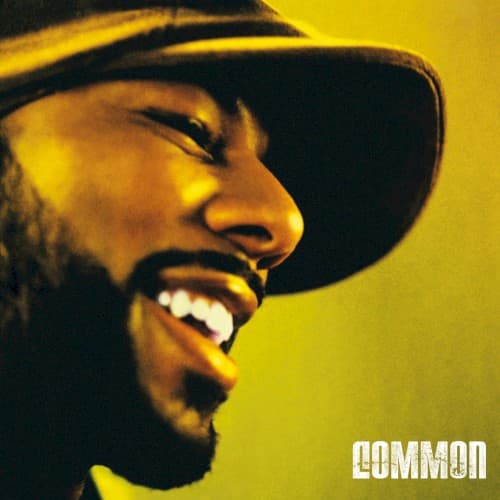
This is Common's best album, and it is not particularly close. Like Water for Chocolate had bigger singles, Be had Kanye, but Resurrection is the only one that sounds like Common figured out who he was without needing a famous producer to guide him. It ranks in the top tier of mid-nineties conscious rap alongside The Main Ingredient and Illmatic, though it lacks the raw street urgency that made those albums feel like survival manuals. This is more reflective, more literary, more willing to sit with ambiguity.
Who should listen: anyone interested in the lineage between Native Tongues and the backpack era, fans of soul-sample production, listeners who want their rap introspective without being preachy. Who might skip: anyone looking for bangers, anyone allergic to jazz loops, anyone who needs their hooks to sound like hooks.
The album aged beautifully in some areas and poorly in others. The production still sounds timeless. The writing holds up better than most nineties rap. But some of the gender politics feel dated, and a few punchlines have not survived the decades.
Long-term influence: this album taught a generation of rappers that you could be thoughtful without being boring, that you could love hip-hop and critique it at the same time, that Chicago had its own sound and did not need to apologize for it. Tracks to start with: Resurrection, I Used to Love H.E.R., and the posse cut near the end. Similar listens: Mos Def's Black on Both Sides, The Roots' Things Fall Apart, and anything No I.D. touched in the late nineties. If this album did not exist, half the Soulquarians movement would have had to find a different blueprint.
Track Listing
Resurrection
▲The title track opens with a dusty loop and Common immediately declaring his return, his rebirth, his refusal to disappear after a commercially disappointing debut. No I.D. keeps the production sparse — just drums, bass, and a single melodic sample cycling underneath. Common's flow here is aggressive but controlled, weaving between autobiographical detail and broader commentary on the rap game. He addresses critics, fake friends, and the industry's tendency to bury artists who do not sell. The confidence is earned rather than manufactured. This is not a flex — it is a mission statement. The hook is minimal, almost an afterthought, which keeps the focus on the verses. By the time the track ends, Common has made it clear this album will not sound like anything else on the radio, and that is the entire point.
I Used to Love H.E.R.
▲The most famous song on the album and still one of the most analyzed tracks in hip-hop history. Common personifies hip-hop as a woman he used to know, tracing her evolution from the parks and community centers to the mainstream's commercialization. No I.D. flips a beautiful, melancholy soul sample that gives the song a nostalgic ache. Common's storytelling here is novelistic — he builds the metaphor across three verses, never breaking character, never explaining the conceit until the final lines. The emotional weight comes from the sense of loss, the feeling that something pure has been corrupted beyond recognition. What makes the track timeless is that it criticizes commercialization without sounding bitter or preachy. Common loves hip-hop too much to dismiss it, even as he mourns what it is becoming. The track aged into a classic, referenced and debated for three decades, because it captured a generational anxiety that never went away.
Watermelon
●A comedic interlude about chicken and watermelon stereotypes that tries to reclaim the imagery through absurdist humor. Common raps about his love for both foods with exaggerated enthusiasm, attempting to defang racist tropes by embracing them on his own terms. The production is playful, almost cartoonish. The problem is that the satire does not land as sharply as it needs to — the line between reclamation and reinforcement gets blurry. It is not offensive, just awkward, like a joke that sounded better in the writer's room than it does out loud. The track has not aged well, mostly because the conversation around respectability politics and stereotype reclamation has moved past the point where this kind of humor feels subversive. It is a relic of mid-nineties identity debates, interesting as a time capsule but skippable in the listening experience.
Book of Life
▲A posse cut featuring all of Common's childhood crew, and it still goes hard thirty years later. No I.D. builds a hypnotic loop with a shuffling drum pattern that sounds like it was recorded in a South Side basement. Every rapper on this track brings a different flow and energy, which keeps the song from feeling monotonous despite its six-minute runtime. Common holds his own but does not dominate — this is a crew record, not a showcase. The competitive energy is palpable. Everyone is trying to outrap the person who went before them, and the result is one of the tightest posse cuts of the decade. The hook is simple and repetitive, but it works because the verses are so dense. This is the kind of track that reminds you Common came up in ciphers, where you had to prove yourself every sixteen bars or get buried.
In My Own World (Check the Method)
▲Common isolates himself in his own creative zone, rapping about the necessity of solitude and focus in a world full of distractions. The production is minimalist — just a looped guitar riff, sparse drums, and a bassline that holds the whole thing together. Common's flow here is more introspective, less combative than the earlier tracks. He is not arguing with anyone, just carving out space for himself to think. The lyrics touch on spirituality, artistic integrity, and the pressure to conform to industry expectations. It is one of the quieter moments on the album, but it works because it gives the listener room to breathe after the intensity of the first few tracks. The hook is understated, almost spoken rather than sung. This track has aged gracefully — the themes of creative independence and mental clarity feel even more relevant in an era of constant digital noise.
Another Wasted Nite With...
▲A storytelling track about a disastrous date that goes nowhere. Common describes meeting a woman, taking her out, and realizing by the end of the night that they have nothing in common beyond physical attraction. The humor here is self-deprecating — Common is not blaming the woman, he is mocking himself for wasting time and money on someone he should have known was not a match. No I.D.'s production is smooth and jazzy, which contrasts nicely with the awkwardness of the narrative. The track is funny without being mean-spirited, and it shows Common's ability to write character-driven stories that feel real rather than exaggerated. Some of the gender dynamics feel dated, but the core premise — the universal experience of a bad date — still resonates. It is a minor track in the grand scheme of the album, but it adds texture and personality to the tracklist.
Nuthin' to Do
●Common raps about boredom, aimlessness, and the feeling of being stuck in a rut with no clear direction. The production is hazy and laid-back, almost drowsy, which matches the lyrical content perfectly. Common's flow here is looser, less structured, as though he is freestyling his way through a slow afternoon. The subject matter is surprisingly relatable — this is not a song about struggle or ambition, it is about the mundane reality of having too much time and not enough purpose. The hook is repetitive and hypnotic, reinforcing the sense of monotony. It is not a standout track, but it serves a purpose in the album's emotional arc. After the intensity of the first half, this track offers a moment of deflation, a reminder that even conscious rappers have days where nothing feels urgent or important.
Communism
●Common gets overtly political here, critiquing capitalism and exploring alternative economic systems. No I.D. keeps the beat simple, letting Common's lyrics take center stage. The problem is that the song never quite commits to a coherent argument — it is more a collection of half-formed thoughts about inequality, exploitation, and systemic injustice than a developed political thesis. Common is clearly reading and thinking about these issues, but he has not yet figured out how to translate that reading into compelling songwriting. The track feels like a rough draft, an idea that needed more time to develop. Some listeners will appreciate the ambition and the willingness to engage with political theory. Others will find it preachy and underbaked. It has not aged particularly well, mostly because the conversation around capitalism and race has become far more sophisticated in the decades since.
WMOE
●A brief interlude, barely over a minute, that functions as a fake radio station ID. Common and his crew joke around, playing DJs and callers on a fictional station. It is a throwaway moment, harmless and mildly amusing but not essential to the album's flow. The production is minimal, just some scratches and background chatter. Interludes like this were common on mid-nineties rap albums, a way to break up the tracklist and add some personality without committing to a full song. This one does its job without overstaying its welcome. Skippable, but not offensive.
Thisisme
▲Common dedicates this track to self-affirmation, laying out who he is as an artist and a person without apology. The production is stripped-down, just a simple loop and drums, which keeps the focus on Common's voice. His flow here is confident but not arrogant, introspective but not self-pitying. He addresses his identity as a Chicago rapper, his relationship to commercial success, and his refusal to compromise his artistic vision for radio play. The hook is minimal and declarative, reinforcing the song's central theme. This is one of the album's strongest moments, a track that feels both personal and universal. It has aged well because the themes — artistic integrity, self-knowledge, the pressure to conform — remain relevant across generations. Common would revisit these ideas throughout his career, but he never stated them more clearly than he does here.
Orange Pineapple Juice
●A weed song disguised as a jazz-rap interlude. Common and his crew freestyle about smoking, drinking juice, and zoning out to music. The production is smooth and hazy, with a laid-back groove that matches the low-stakes vibe of the lyrics. It is not deep, and it is not trying to be. This is a palate cleanser, a moment of levity after the heavier tracks that preceded it. The rapping is playful and loose, with multiple voices trading bars. It is the kind of track that works better in the context of the full album than it does as a standalone song. Skippable for some listeners, but it adds personality and texture to the tracklist.
Chapter 13 (Rich Man vs. Poor Man)
▲Common constructs a storytelling track contrasting the lives of two men from different economic backgrounds. The production is somber and cinematic, with strings and a slow, heavy beat. Common's writing here is novelistic, building fully realized characters and exploring how poverty and wealth shape perspective, opportunity, and morality. The song does not offer easy answers or moralizing conclusions — it simply presents two lives and lets the listener draw their own conclusions. This is one of the most ambitious tracks on the album, and it mostly succeeds because Common is willing to complicate his characters rather than turning them into symbols. The hook is haunting and minimal, reinforcing the song's serious tone. It is a standout moment that showcases Common's storytelling abilities at their peak.
Maintaining
▲A posse cut featuring multiple Chicago rappers, all trading verses about survival, ambition, and staying grounded despite the chaos. No I.D. provides a hard, minimalist beat with a menacing bassline. Every rapper brings their own style and energy, and the competitive spirit is palpable. Common holds his own but does not dominate — this is a true crew record, not a showcase. The chemistry between the rappers is undeniable, and the track has a raw, unpolished energy that makes it feel like a live cipher. The hook is simple and chant-like, designed to get a crowd moving. This is one of the album's hardest tracks, a reminder that conscious rap does not have to sacrifice energy or edge to make a point. It has aged well, mostly because posse cuts this tight are rare in any era.
Sum Shit I Wrote
●Common reflects on his creative process, rapping about the act of writing itself. The production is laid-back and jazzy, with a looped piano riff and minimal drums. Common's flow here is relaxed, almost conversational, as though he is thinking out loud. The lyrics are meta, exploring how ideas become verses, how inspiration strikes, and how the writing process can be both liberating and frustrating. It is not a particularly memorable track, but it adds depth to the album's overall portrait of Common as an artist. The hook is understated, almost spoken rather than sung. This track has aged fine — it does not stand out, but it does not detract from the album either. Casual listeners might skip it, but heads who care about craft will appreciate the introspection.
Pop's Rap
▲The album closes with Common's father, Lonnie Lynn, delivering a spoken-word piece about fatherhood, responsibility, and legacy. No music, just his voice. It is a bold way to end an album, and it works because Lonnie's presence has been felt throughout the record — Common references him multiple times, and their relationship is clearly a foundational part of who he is as a person and an artist. Lonnie's message is earnest and heartfelt, offering wisdom without preaching. It is the kind of moment that could have felt corny or self-indulgent, but instead it feels genuine. The interlude grounds the album in something larger than rap — it reminds the listener that behind every artist is a family, a history, a set of values passed down across generations. It is a fitting end to an album that spent forty-five minutes exploring identity, community, and what it means to stay true to yourself.