From Fayetteville to Hip-Hop's Conscience: J. Cole's Ascent
Jermaine Lamarr Cole arrived at hip-hop's doorstep through persistence rather than spectacle. Born in a military town in North Carolina and raised in Fayetteville, he spent his late teens burning CDs of homemade beats and rhymes, eventually relocating to New York to study communications at St. John's University while sleeping on couches and chasing the attention of industry gatekeepers. His breakthrough came not through viral moments but through relentless mixtape releases that caught Jay-Z's ear, leading to a historic signing as the first artist on Roc Nation in 2009. What followed was a career built on introspection, technical precision, and a refusal to chase trends. Where many contemporaries embraced maximalism and spectacle, J. Cole constructed his lane around vulnerability and narrative clarity, carving out territory as hip-hop's contemplative philosopher. His music operates in the space between aspiration and anxiety, examining the psychological cost of success while maintaining connection to the struggles that shaped him. This duality — the kid from Fayetteville who made it out, and the artist who never fully left — defines his appeal to listeners who see their own contradictions reflected in his work.
Intimate Production and Confessional Lyricism: J. Cole's Sonic Signature
The production aesthetic Cole developed across his career favors warmth over aggression, soul samples over synthetic textures. He handles much of his own production, crafting beats that prioritize melodic clarity and emotional resonance. Piano loops, filtered vocal samples, and understated drum patterns create sonic environments that feel lived-in rather than engineered for maximum impact. The beats leave space for the lyrics to breathe, functioning as emotional frameworks rather than attention-grabbing showcases. This restraint reflects his broader artistic philosophy: say what needs saying without excess decoration. His flow operates with similar intentionality. Cole raps with technical proficiency but rarely deploys complexity for its own sake. Instead, he modulates delivery to match narrative demands — conversational when reflecting, more forceful when addressing critics or societal issues. Multisyllabic rhyme schemes emerge naturally within his verses rather than announcing themselves, creating a sense of effortless competence. The vocal tone remains consistent across projects: earnest, sometimes weary, occasionally frustrated, but always grounded in lived experience. Listening to a J. Cole album feels less like attending a performance and more like sitting with someone processing their thoughts in real time. That intimacy, combined with production that favors cohesion over individual moments, gives his work a novelistic quality rare in contemporary hip-hop.
Building an Empire Through Independence: J. Cole's Career Trajectory
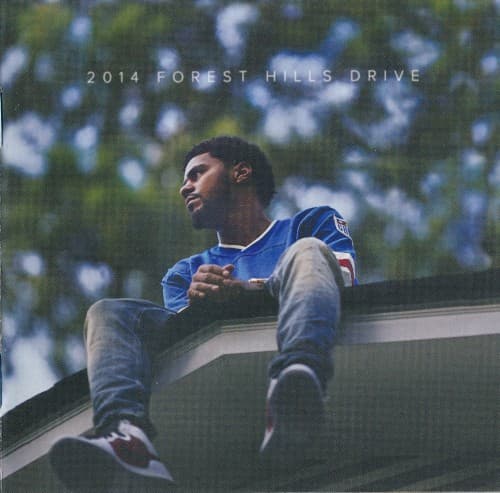
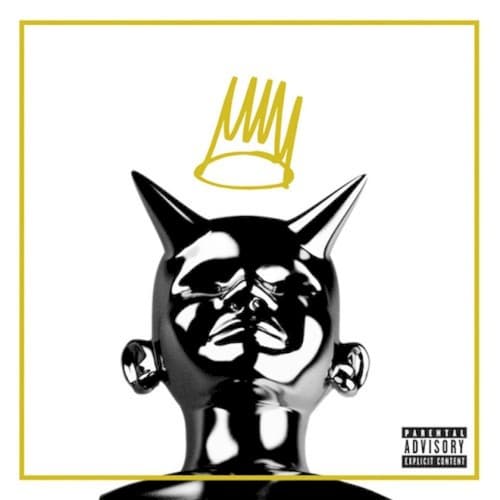
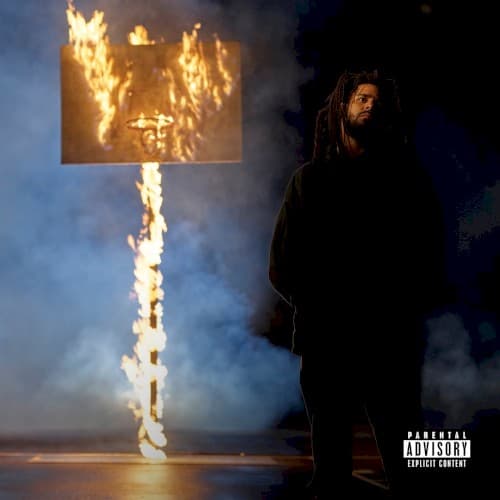
The early mixtapes established the template. The Come Up, The Warm Up, and Friday Night Lights built a devoted following through platforms like DatPiff, reaching listeners hungry for substantive lyricism during an era dominated by ringtone rap's twilight and the emergence of blog-era experimentation. These projects showcased not just technical ability but a willingness to examine personal failings and systemic frustrations without posturing. By the time Cole World: The Sideline Story arrived in 2011, expectations ran high. The debut went platinum, propelled by singles that balanced commercial appeal with lyrical depth, though some critics questioned whether the album played it safe. Born Sinner followed in 2013, a more ambitious statement that engaged directly with morality, fame's psychological toll, and the tension between artistic integrity and commercial success. The project found Cole refining his production approach and deepening his thematic focus, though it still operated within industry expectations of what a major-label rap album required. Then came 2014 Forest Hills Drive, the album that fundamentally shifted his career trajectory. Released with minimal promotional fanfare and no featured artists, it became a cultural phenomenon through word-of-mouth and genuine connection. The project went platinum without a single, an increasingly rare achievement that validated Cole's belief that substance could compete commercially. The album captured a specific moment in millennial experience — the disorientation of achieving dreams while losing connection to the values that motivated the pursuit. Songs like "No Role Modelz" became generational anthems not through hooks engineered for virality but through resonant observations delivered with conviction. The success of 2014 Forest Hills Drive liberated Cole to pursue even more uncompromising work. 4 Your Eyez Only arrived as a conceptual piece examining systemic racism and parental anxiety through a narrative lens, while KOD tackled addiction, materialism, and the numbing mechanisms people deploy against trauma. These albums prioritized cohesion and thematic depth over singles, trusting audiences to engage with complete artistic statements. Meanwhile, Cole expanded his role as label head and mentor through Dreamville Records, cultivating a roster that included JID, Ari Lennox, and Bas. The label's compilation albums and festival showcased his vision of collaborative creativity, building an ecosystem rather than just releasing individual projects. The Off-Season and his features on other artists' work demonstrated continued technical evolution, with more aggressive flows and complex rhyme patterns emerging alongside the introspective mode that defined his earlier work.
Redefining Independence and Artistic Integrity in Modern Hip-Hop
J. Cole's significance extends beyond sales figures and streaming numbers, though those metrics tell part of the story. He proved that an artist could achieve commercial dominance without sacrificing artistic vision or chasing algorithmic favor. In an era when many rappers felt pressured to constantly feed the content cycle with loosies, freestyles, and attention-grabbing antics, Cole built sustained success through patience and intentionality. His influence appears most clearly in the generation of artists who followed, rappers who embraced introspection and narrative complexity as viable commercial strategies rather than niche pursuits. The blueprint he established — building through mixtapes, maintaining creative control, prioritizing album cohesion, engaging social issues through personal lens — became a roadmap for artists seeking alternatives to industry formulas. As a producer, he expanded perceptions of what rapper-producers could accomplish, demonstrating that handling one's own production need not limit sonic ambition. His work behind the boards for other artists, combined with his role developing Dreamville's roster, positioned him as a creative architect beyond just his solo output. The cultural conversation around J. Cole often fixates on debates about technical ranking among contemporaries, but his actual legacy may be more fundamental: demonstrating that vulnerability and commercial success need not exist in opposition. In a genre historically built on projecting invincibility, Cole carved space for doubt, failure, and moral complexity. That permission — to be conflicted, to question, to acknowledge mistakes while still asserting value — resonates with listeners navigating their own contradictions. His continued relevance, even as hip-hop's sonic landscape shifts dramatically around him, suggests audiences still hunger for what he provides: thoughtful examination of what success costs and whether the price was worth paying.