The Underground Alchemy of MF DOOM and Madlib
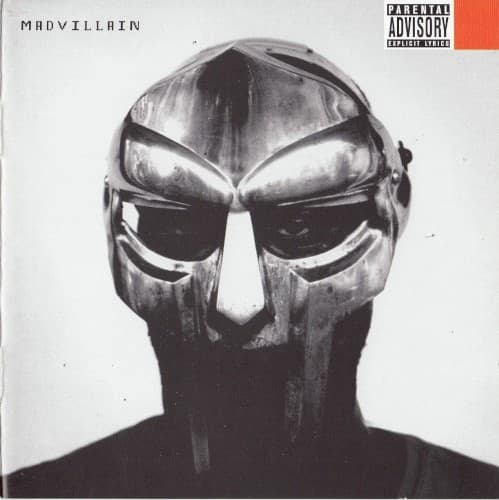
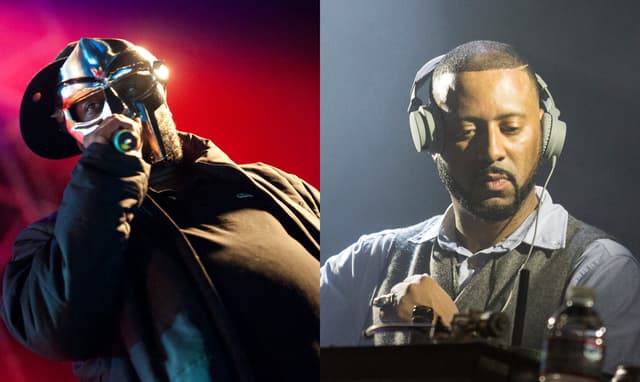
Madvillain exists as hip-hop's most celebrated example of producer-MC symbiosis achieving something neither artist could accomplish alone. Formed in 2002 when producer Madlib and masked lyricist MF DOOM began exchanging recordings, the duo operated less like a traditional group and more like a long-distance sonic experiment that accidentally created one of underground hip-hop's defining statements. Their 2004 debut Madvillainy arrived without industry machinery or promotional blitz, built entirely on word-of-mouth reverence that spread through record stores, online forums, and late-night headphone sessions.
What made Madvillain immediately distinctive was the productive friction between Madlib's sample-warped, psychedelic beat tapestries and DOOM's elliptical wordplay. Where mainstream hip-hop was polishing itself toward pop crossover, Madvillain embraced imperfection—crackle, dust, abrupt transitions, and beats that felt perpetually off-balance. The project represented a return to hip-hop's fundamental promise: two individuals with complementary skills creating something that sounded like nothing else. Though active for less than two decades before DOOM's passing in 2020, Madvillain's influence ripples through every corner of alternative rap, from the bedroom producers warping samples on FL Studio to established artists who cite Madvillainy as the album that expanded their understanding of what hip-hop could be.
Fragmented Loops and Stream-of-Consciousness Flow
Madvillain's sonic signature rests on Madlib's willingness to present beats as sketches rather than finished paintings. His production for the project pulls from obscure jazz, Brazilian psych-rock, obscure film scores, and forgotten funk 45s, chopping samples into fragments so brief they barely register before morphing into something else. Tracks rarely settle into predictable patterns—drums drop out mid-verse, melodies shift unexpectedly, and transitions feel deliberately jagged. This aesthetic wasn't sloppiness but intentional design, creating soundscapes that demanded active listening and rewarded repeated exposure.
DOOM responded to these fractured instrumentals with a flow that mirrored their unpredictability. His delivery on Madvillain material abandoned the rigid pocket-riding common in commercial rap, instead floating around the beat, sometimes ahead of it, occasionally behind, creating rhythmic tension that made even straightforward bars feel destabilizing. His voice—unprocessed, conversational, often sounding like he recorded verses in a single take—matched Madlib's lo-fi production philosophy. Where DOOM's solo work sometimes featured cleaner production, Madvillain embraced grit as texture.
The duo's collaborative process was famously unconventional. Madlib would send DOOM CDs of raw beats with no titles or timestamps. DOOM would write to whatever caught his attention, often in unexpected ways that subverted the beat's apparent mood. This hands-off approach meant neither artist was trying to please the other or second-guess creative choices. The result sounds like two musicians working in separate rooms but somehow achieving perfect synergy—Madlib's beats feel made for DOOM's voice, and DOOM's verses feel inseparable from the production beneath them.
From Stones Throw Experiment to Underground Institution
Madvillain's origin story begins with Madlib and MF DOOM meeting through mutual connections in Los Angeles' underground scene around 2002. Madlib, already building a reputation through his work with Lootpack and early solo projects, was exploring increasingly experimental production territory. DOOM, having recently reemerged after years of obscurity following the dissolution of KMD, was establishing his masked supervillain persona through independent releases. Both artists operated outside mainstream infrastructure by necessity and preference, making their partnership feel inevitable.
The sessions that became Madvillainy happened sporadically across 2002 and 2003, with recording taking place everywhere from Madlib's bomb shelter studio to various apartments in Los Angeles. The project's mythology includes stories of DOOM sleeping on Madlib's floor, the two consuming significant amounts of cannabis while working, and Madlib's practice of recording dozens of beats daily that DOOM would sift through for inspiration. This relaxed, non-commercial approach meant the album developed organically without label pressure or release deadlines dictating the creative process.
When Madvillainy finally appeared in March 2004 on Stones Throw Records, it arrived to an underground community primed for something that sounded this uncompromising. Early reviews praised its density and refusal to explain itself, while initial sales figures remained modest by industry standards. But the album's reputation grew exponentially through the mid-2000s, fueled by music blogs, independent radio, and the kind of passionate advocacy that turns listeners into evangelists. Tracks like "All Caps" and "Accordion" became touchstones for a generation of fans who valued artistic integrity over commercial polish.
The duo released a handful of additional material over the following years—the Koushik remix of "All Caps," a Four Tet remix of "Rhinestone Cowboy," and various leaked demos that circulated online. Talk of a second Madvillain album became a recurring topic in interviews, with both artists suggesting work was underway but never committing to timelines. Madlib mentioned having completed instrumentals; DOOM hinted at recorded verses. Yet no official follow-up materialized, leaving Madvillainy to stand as the project's singular statement.
DOOM's death in October 2020, revealed to the public two months later, effectively closed the book on Madvillain's story. The outpouring of tributes that followed frequently centered on Madvillainy as a peak achievement in his catalog, cementing the album's status as essential listening. Madlib has since spoken about the collaborative magic they shared, describing how DOOM understood his production in ways few other MCs did. The finality of DOOM's passing ensures Madvillain will remain a completed chapter rather than an ongoing project, which somehow feels appropriate for a duo that always operated on its own timeline.
Blueprint for Alternative Hip-Hop's Artistic Independence
Madvillain's influence operates on multiple levels simultaneously. On the surface, their aesthetic choices—lo-fi production, unconventional song structures, rejection of commercial formatting—provided a blueprint that countless underground artists have followed. The explosion of alternative hip-hop in the 2010s, from Earl Sweatshirt's earlier work to the entire Griselda movement's embrace of dusty samples and gritty presentation, traces lineage back to what Madvillain normalized. Tyler, The Creator has cited Madvillainy as formative to his understanding that rap albums didn't need to sound clean or follow industry conventions.
Beyond sonic influence, Madvillain demonstrated that creative partnerships could thrive without traditional group dynamics. They never performed extensively together, rarely did joint interviews, and seemed to approach the project as much as friends making music as professionals building a brand. This model—sporadic collaboration between artists who maintain separate careers—became increasingly common as hip-hop moved away from permanent group formations. The success of Run the Jewels' similar partnership model owes something to Madvillain proving that chemistry matters more than constant proximity.
The album's commercial afterlife has been remarkable for a project that sold modestly on release. Madvillainy continues to move units, frequently appearing on "essential hip-hop albums" lists and serving as a gateway for new listeners discovering underground rap. Its influence extends beyond hip-hop into electronic music, indie rock, and experimental production circles where Madlib's approach to sampling is studied as closely as his beat-making. The album proved that artistic uncompromising work could achieve longevity that commercial calculation rarely manages, a lesson that resonates louder as streaming era metrics obsess over instant impact rather than sustained relevance.