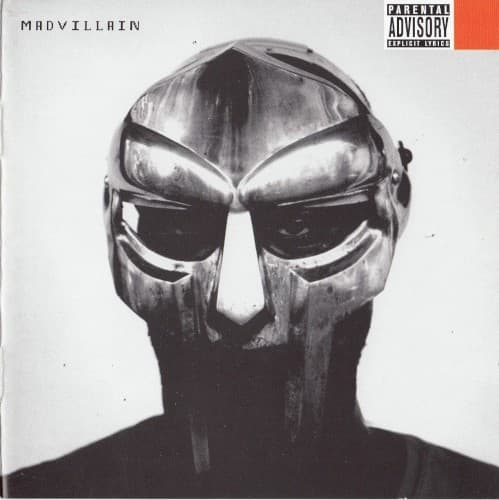
Madvillain Madvillainy — The Album That Sounds Like a Memory of a Dream
You cannot make this album sound better with modern mastering. The tape hiss is structural. The crackle is load-bearing. Every frequency that another engineer would clean up is exactly where it belongs.
Madvillainy sounds like it was recorded on equipment stolen from a radio station in 1973, mixed in a basement with one working speaker, and pressed onto vinyl that had already been played a thousand times. That roughness is not a bug. It is the entire architecture. MF DOOM and Madlib built something that refuses to exist in high definition, and two decades later nothing else in hip-hop sounds remotely like it.
This album arrived when blog rap was about to explode and ringtone hooks still ruled commercial radio. Underground hip-hop in 2004 meant backpack rappers obsessed with proving their lyrical superiority or avant-garde producers chasing jazz fusion. Madvillainy ignored both paths. It presented a third option: comic book villainy as aesthetic philosophy, recorded with gear that predated the internet, sequenced like a fever dream, and delivered with the casual arrogance of two artists who knew exactly how far ahead of the curve they were working.
The question was never whether fans would understand it. The question was whether they were paying close enough attention.
What happens when the best technical rapper alive meets the best crate-digger alive? Not a lyrical demonstrate. Not a beat tape. Something stranger.
Madvillainy plays like a concept album about nothing in particular, forty-six minutes of loops and non-sequiturs that somehow cohere into one of the most complete artistic statements hip-hop has ever produced. DOOM raps in character as a supervillain but sounds more human than any of his peers. Madlib samples everything from Brazilian psych to Bollywood soundtracks but never lets the listener forget they are hearing hip-hop. The album operates in a space between accessibility and abstraction that should not be navigable, but here it functions as home base.
Dust, Grit, and the Frequency Range DOOM Actually Needs
Madlib produced Madvillainy on a Boss SP-303 sampler and a portable turntable in a Los Angeles apartment with no studio monitors. That limitation shaped every sonic decision on the album. The drums crack with the decay of a sample chopped from a 45 that has been played until the grooves wore down. The bass sits low but never overpowers, because the SP-303 cannot hold that much low-end information without distorting.
The loops are short, often four bars or less, because the sampler has limited memory. Every technical constraint became an aesthetic choice. This is hip-hop built inside a box, and the box is the sound.
The sample selection pulls from sources most producers in 2004 had never heard. Madlib was digging through Brazilian jazz, Zambian rock, German krautrock, Polish film scores, and obscure soul 45s that never charted anywhere. He chops them into fragments so small that even sample-spotting obsessives struggle to identify the source. A horn stab lasts two seconds.
A vocal loop repeats three times before disappearing forever. The approach is maximalist crate-digging serving minimalist arrangements. There is no excess. Every element that survived the final mix earned its place by being irreplaceable.
DOOM's voice operates in the same tonal register as the beats. His delivery is conversational, muttered, almost indifferent to the concept of projection. He does not ride the beat so much as occupy the same space, letting his bars fall slightly behind or ahead of the drums depending on the line. The flow is technical without sounding effortful.
He bends syllables, drops internal rhymes in the middle of words, and switches schemes mid-bar without announcing the pivot. But the voice itself never strains. He sounds like someone reading a manifesto aloud in a library, which makes the punchlines land harder because they arrive without warning.
Thematically the album is about villainy as philosophy, but DOOM uses that frame to talk about everything except comic books. He discusses relationships, money, the music industry, substance use, existential doubt, and the mechanics of maintaining a persona while living inside it. The mask is both costume and truth. Madlib's production reinforces that duality by pairing playful loops with ominous undertones.
A children's choir sample becomes menacing. A sunshine soul break gets pitched down into something unsettling. The whole album exists in that gray zone between humor and dread. What other hip-hop record has ever occupied that space so completely?
The mixing is deliberately unpolished. Vocals sit on top of the beat rather than embedded in it. Certain loops are slightly off-tempo, creating a lurching rhythm that should feel wrong but instead feels lived-in. The stereo field is narrow, almost mono in places, which makes the album sound like it is coming from a single point in space rather than surrounding the listener.
Some tracks end abruptly. Others fade out mid-loop. There is no attempt to smooth the transitions or hide the seams. Madvillainy sounds unfinished in the way that a sketchbook looks unfinished, and that rawness is what keeps it from feeling dated.
Forty-Six Minutes With No Wasted Motion
The album opens with ninety seconds of scene-setting and never looks back. From there the sequencing operates on dream logic. Tracks bleed into each other. Instrumentals interrupt vocal cuts without explanation.
The pacing lurches between two-minute sprints and brief interludes that feel like commercial breaks for a television show that does not exist. There is no clear narrative arc, no rising action, no climax. The structure is associative. One track suggests the next through mood rather than theme.
It plays like a playlist assembled by someone half-asleep, and that disorientation is the point. The first stretch establishes the sonic palette and then immediately starts breaking its own rules. By the time the album reaches the middle section it has already cycled through five different tempos and four distinct sample palettes.
The back half loosens further, leaning into the instrumentals and letting DOOM disappear for stretches before returning with a single verse that reframes everything. The sequencing never allows the listener to settle. Just when the groove solidifies it pivots into something else. That restlessness should exhaust, but instead it compels replay.
The closing run moves through three different emotional registers in under ten minutes, ending on a note that feels both conclusive and unresolved. The album does not build to a finale. It simply stops, as if the tape ran out or someone pressed eject mid-thought. That abrupt ending reinforces the overall aesthetic.
Madvillainy is not interested in delivering closure. It is interested in creating a space where closure is irrelevant. You finish the album and immediately want to start over, not because it left questions unanswered but because it redefined what questions are worth asking.
The Blueprint Every Experimental Rapper Still Follows
Madvillainy is the best album in both artists' catalogs and the gold standard for collaboration in underground hip-hop. DOOM made more ambitious concept albums. Madlib produced more sonically adventurous records. But nothing either artist created before or after this achieves the same synthesis of vision.
This is two geniuses working at the exact moment when their skill sets aligned perfectly, and the result is an album that has influenced two decades of experimental rap without anyone successfully replicating its approach. Who should listen: fans of abstract hip-hop, sample-based production, technical lyricism delivered without showboating, and anyone interested in how constraints can generate creativity. Who might struggle: listeners who need clean mixes, conventional song structure, or albums that explain themselves. Madvillainy rewards close attention but refuses to hold your hand.
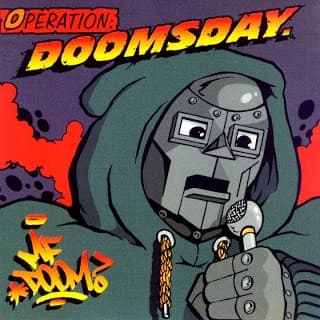
It sounds better on the tenth listen than the first, which means casual fans might bounce off it while heads return to it for years. Standout tracks to start with: Accordion, All Caps, Meat Grinder, and Fancy Clown offer the clearest entry points. If those click, the entire album opens up. Similar albums worth exploring: Jaylib's Champion Sound for more Madlib production, MF DOOM's Operation Doomsday for more masked villainy, Quasimoto's The Unseen for dusty psychedelic loops, and Roc Marciano's Reloaded for lo-fi minimal rap done with surgical precision.
Long-term influence: every rapper who has ever rapped over Madlib beats since 2004 is chasing the chemistry this album captured, and none of them have reached it. Twenty years later Madvillainy still sounds like it comes from the future, which means it was never really about 2004 at all.
Track Listing
The Illest Villains
▲Menacing piano chords, a vocal sample warning about dangers, DOOM's voice entering mid-bar like he walked into the booth late. The opening salvo establishes the aesthetic in ninety seconds: grimy, off-kilter, unapologetic. No hook, no structure, just scene-setting. Madlib's loop sounds like it was sampled from a 1960s crime film scored by someone who hated the director. DOOM raps about villainy as career path with the casual tone of someone discussing a day job. The whole thing ends abruptly, as if someone pulled the plug. Perfect introduction.
Accordion
▲The definitive Madvillainy track. Madlib flips an accordion sample into a hypnotic two-bar loop that should become repetitive but instead becomes meditative. The drums knock with dusty precision. DOOM delivers some of his most quotable bars, moving between internal rhymes and conceptual flexes without breaking stride. The flow is deceptively complex, bending syllables around the beat in ways that sound effortless. No hook, just two verses and an outro. The mix is rough, vocals sitting on top of the track rather than embedded in it, which makes DOOM sound like he is narrating over found footage. This is the track that converted a generation of heads to the Madvillain aesthetic. Still sounds like nothing else twenty years later.
Meat Grinder
▲Brazilian psychedelic soul chopped into a lurching groove, DOOM rapping about ego death and reinvention over drums that stumble forward like a drunk trying to find the exit. The sample choice is impeccable: warm, dusty, slightly unhinged. DOOM's bars are dense, packed with internal rhymes and abstract imagery that never quite resolves into clear meaning. He is rapping in code, and the code is the point. The track has no clear structure, just a looped section that repeats until it stops. Madlib lets the sample breathe, never overcomplicating the arrangement. One of the album's best showcases for DOOM's technical ability, delivered with his trademark indifference to traditional song structure.
Bistro
●Forty-two seconds of scene transition. Madlib flips a jazz sample into a brief interlude, DOOM drops a single verse about food and consumption, and the track ends before it fully begins. Functions as a palate cleanser between the density of Meat Grinder and the chaos about to arrive. The brevity is the appeal. In and out, no wasted motion.
Raid
▲M.E.D. steps in with a guest verse, and the energy shifts immediately. Madlib's beat is one of the grimiest on the album, built around a strangled vocal sample and drums that sound like they were recorded in a stairwell. M.E.D. holds his own, matching the production's aggression with a flow that feels more direct than DOOM's abstract approach. DOOM's verse arrives in the second half, and the contrast is stark: where M.E.D. attacks the beat, DOOM floats over it, letting the bars land wherever they fall. The track works as a reminder that Madvillainy is not a solo album, even though DOOM dominates most of the runtime. Madlib's production is the real star here, turning a simple loop into something that feels physically oppressive.
America's Most Blunted
●Wildchild and Lord Quas join the session, and the track becomes a posse cut about substance use and paranoia. Madlib's beat is playful, almost goofy, built around a flute loop and drums that shuffle rather than knock. The contrast between the light production and the heavy subject matter creates a dissonance that defines the Madvillain aesthetic. DOOM's verse is characteristically offhand, rapping about altered states with the detachment of a scientist observing lab results. Wildchild and Quas bring different energies, but the track never coheres into a traditional cypher. It feels like three conversations happening in the same room, no one quite listening to anyone else. The chaos is intentional.
Sickfit (instrumental)
▲Madlib alone for ninety seconds, flipping a soul sample into a head-nod loop with no drums in the first half. The arrangement is minimal, just bass and melody, and the space creates tension. When the drums finally drop they hit harder because of the wait. No vocals, no guests, just Madlib demonstrating what he can do with four bars of source material and a sampler. Brief, essential.
Rainbows
▲One of the strangest tracks on the album, built around a children's choir sample that Madlib pitches and chops into something unsettling. DOOM raps about relationships and self-destruction over a beat that sounds like a nursery rhyme played backwards. The juxtaposition should not work, but DOOM leans into the dissonance, delivering bars that are simultaneously playful and bleak. The hook samples the choir directly, turning innocence into irony. The whole track exists in a space between humor and menace, which is where Madvillainy operates most comfortably. Not an easy listen, but one of the album's most inventive moments.
Curls
▲Madlib flips an Indian film score sample into a hypnotic loop, and DOOM delivers a verse about image, performance, and the gap between persona and reality. The production is lighter than most of the album, almost pretty, and DOOM's flow matches the mood. He sounds contemplative, almost vulnerable, which makes the bars hit differently than his usual detached delivery. The track is brief, under two minutes, and ends before it fully develops. That incompleteness is part of the appeal. Curls feels like an unfinished thought, which makes it more honest than a polished statement would be.
Do Not Fire! (instrumental)
●Another Madlib interlude, this one built around a vocal sample warning against violence. The beat is minimal, just drums and a looped phrase, and the repetition creates hypnosis. No DOOM, no guests, just ninety seconds of Madlib building atmosphere. Functions as a breather before the album's second act.
Money Folder
▲Four Tet provides the beat, and the shift in production style is immediately audible. The loop is more electronic, less sample-based, with a rhythm that feels more grid-locked than Madlib's loose arrangements. DOOM adjusts his flow accordingly, rapping about finances and survival with a directness that contrasts his usual abstraction. The track stands out because it does not sound like the rest of the album, which makes it essential to the sequencing. Madvillainy never allows the listener to settle into a single aesthetic, and Money Folder is the clearest example of that restlessness. The production is clean, almost polished, which makes it feel alien in the context of the surrounding dust and grit.
Shadows of Tomorrow
▲Quasimoto appears again, and the track becomes a duet between DOOM and Madlib's pitched-up alter ego. The beat is one of the album's darkest, built around a minor-key loop and drums that drag rather than propel. Both rappers sound exhausted, rapping about futures that never arrived and dreams deferred. The mood is bleak without becoming heavy-handed. The track ends on an unresolved chord, as if the conversation ran out of words before running out of things to say. One of the album's most emotionally direct moments, which makes it stand out in a tracklist built on abstraction.
Operation Lifesaver aka Mint Test
●MF Grimm guests, bringing a grounded energy that contrasts DOOM's cosmic detachment. Madlib's beat is off-kilter, built around a xylophone loop and drums that stumble through the arrangement. Grimm raps about street survival with a specificity that DOOM rarely attempts. DOOM's verse arrives late, and the contrast is sharp: where Grimm is literal, DOOM is coded. The track works because both approaches are valid, and Madlib's production is strange enough to hold both energies without favoring one. The title references an inside joke that is never explained, which is very on-brand for this album.
Figaro
▲DOOM solo over one of Madlib's most hypnotic loops, a soul sample chopped into a rhythm that feels both lazy and precise. DOOM delivers two verses of pure technical flex, bending syllables around the beat with the ease of someone who has been doing this for decades. No hook, no guest, no concept beyond bar-for-bar superiority. The flow is deceptively complex, full of internal rhymes and mid-bar scheme switches that only become apparent on repeat listens. The track is short, under two minutes, which keeps it from becoming a showcase. DOOM proves his point and exits. One of the album's best pure rap performances.
Hardcore Hustle
●Wildchild returns, and the energy picks up. Madlib's beat is one of the album's most straightforward, built around a funk loop and drums that actually knock with conventional hip-hop energy. Wildchild raps about the grind with a directness that contrasts the abstraction surrounding it. DOOM's verse is brief, almost an afterthought, which suggests this track belongs more to the guest than the host. The production is cleaner than most of Madvillainy, which makes it feel like an outlier. Not bad, but not essential. The kind of track that gets skipped on later listens.
Strange Ways
▲Back to the core aesthetic. Madlib flips a melancholic soul sample into a loop that sounds like regret, and DOOM raps about relationships and betrayal with more emotional transparency than usual. The bars are personal without being confessional, and the delivery is subdued, almost whispered in places. The beat is gorgeous, one of Madlib's best on the album, and DOOM matches the mood. The hook samples a female vocalist directly, turning her voice into the emotional center of the track. This is Madvillainy at its most vulnerable, and the honesty makes it one of the album's highlights. The kind of track that reveals new layers on every listen.
Fancy Clown
▲DOOM raps from the perspective of a cuckolded man confronting his partner's infidelity, and Viktor Vaughn (another DOOM alias) plays the other man. The concept is absurd: DOOM beefing with himself over a woman. But the execution is flawless. Madlib's beat is playful, almost mocking, built around a loop that bounces where it should drag. DOOM's bars are funny and sad in equal measure, rapping about betrayal with the detachment of someone narrating someone else's pain. The track works because DOOM never breaks character, even when the character is ridiculous. One of the album's most entertaining moments, and proof that Madvillainy can be funny without losing its edge.
Eye
●Stacy Epps provides a sung hook, and the track becomes one of the album's most accessible moments. Madlib's beat is warm, built around a soul sample that actually resolves into something resembling a traditional chord progression. DOOM raps about attraction and observation, and the bars are more straightforward than usual. The hook is genuinely catchy, which makes the track feel almost radio-ready in the context of the surrounding abstraction. Not a bad song, but it feels slightly out of place. The kind of track that works as a gateway for new listeners but gets skipped by heads who want the rough edges.
Supervillain Theme (instrumental)
▲Madlib closes the villain narrative with an instrumental that sounds like end credits for a film that was never made. The loop is cinematic, built around strings and horns that suggest resolution without delivering it. No vocals, no drums in the second half, just atmosphere. Brief, moody, essential for sequencing.
All Caps
▲The second undeniable classic. Madlib flips a soul sample into an earworm loop, and DOOM delivers one of his most quotable performances. The bars are dense, full of internal rhymes and pop culture references that reveal new meanings on every listen. The flow is conversational, almost lazy, which makes the technical complexity easy to miss. The hook is a command: remember all caps when you spell the man name. It is both branding and philosophy. The track has become the most recognizable Madvillain song, the one that casual fans know even if they have never heard the full album. And it earns that status. The production is perfect, the rapping is perfect, the sequencing is perfect. This is Madvillainy distilled into three minutes.
Great Day
●The come-down. Madlib flips a optimistic soul sample into a loop that sounds like morning after a long night. DOOM raps about new beginnings and false hope with his usual detachment, and the contrast between the sunny production and the skeptical bars creates tension. The track is brief, under two minutes, and functions as a palate cleanser before the final stretch. Not a standout, but necessary for pacing.
Rhinestone Cowboy
▲The album ends with DOOM rapping over one of Madlib's strangest beats, a loop that sounds like it was sampled from a children's record played at the wrong speed. The bars are abstract, full of non-sequiturs and half-finished thoughts, and DOOM sounds more disengaged than usual. The track ends abruptly, mid-loop, as if the tape ran out. No resolution, no climax, no goodbye. Just silence. That abrupt ending is perfect. Madvillainy never promised closure, and it refuses to deliver it now. You finish the album and immediately want to press play again, which is exactly the point.