Long Beach's Philosophical Voice: Vince Staples' Rise from Gang Territory to Critical Acclaim
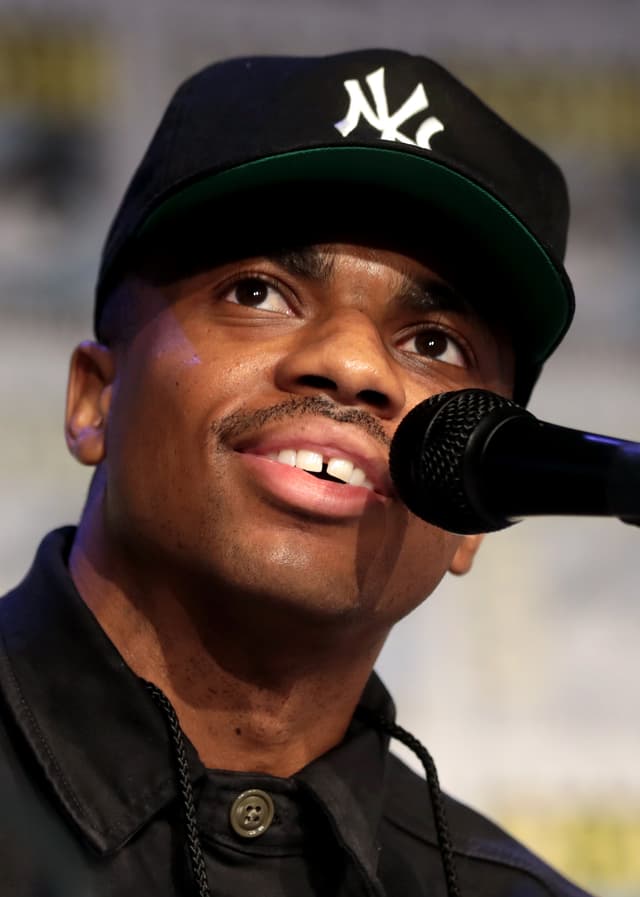
Vince Staples emerged from North Long Beach in the early 2010s with a voice that sounded fundamentally different from his California predecessors. Where West Coast rap had long celebrated bravado and excess, Staples delivered detached observations about gang life, economic desperation, and survival with the emotional distance of a war correspondent. Born in 1993 and raised in the Ramona Park neighborhood, he witnessed the residual violence of gang culture without romanticizing it, positioning himself as neither hero nor victim but as a chronicler of circumstances beyond individual control.
His breakthrough came through an unlikely alliance with Odd Future, the experimental Los Angeles collective that rewrote the rules for independent hip-hop distribution. Though never an official member, Staples appeared on projects with Earl Sweatshirt and collaborated with the crew's de facto leader Tyler, The Creator, who would become a recurring creative partner. This association introduced him to audiences hungry for alternative voices, but Staples quickly distinguished himself through his refusal to perform the expected role of a Long Beach rapper. He rejected nostalgia for California's golden era and showed little interest in the lifestyle flexing that dominated contemporary hip-hop.
By the mid-2010s, Staples had built a reputation as rap's most skeptical voice—a commentator who questioned the genre's mythologies while operating within them. His music balanced West Coast sonic traditions with experimental production that drew from electronic music, industrial textures, and minimalist arrangements. Critics praised his ability to articulate systemic issues without resorting to didacticism, while his bone-dry wit and media interviews made him one of hip-hop's most quotable figures. Vince Staples carved out space for intellectual rigor in a genre often hostile to ambiguity.
Minimalist Narratives and Electronic Experimentation: Dissecting Vince Staples' Sonic Identity
Vince Staples' vocal approach rejects nearly every convention of West Coast rap performance. His delivery remains flat and conversational, stripping away the melodic inflection that defines much contemporary hip-hop. He rarely raises his voice, maintaining an almost clinical detachment even when describing violence or personal trauma. This monotone precision serves his lyrical perspective—he reports rather than embellishes, presenting street life as mundane horror rather than cinematic drama. The effect is unsettling precisely because it refuses emotional manipulation, forcing listeners to process the content without the safety of performance distance.
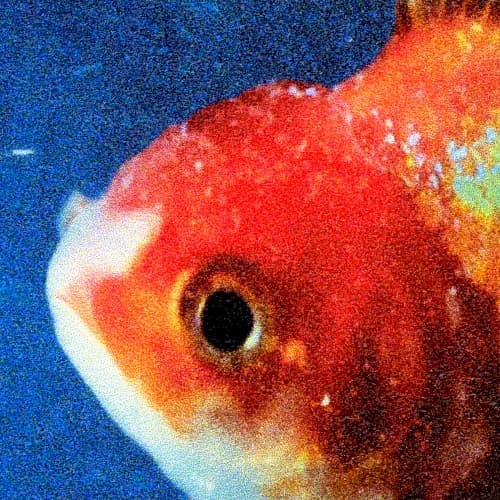
Production-wise, Staples has gravitated toward collaborators who share his interest in sonic experimentation. His early work with No I.D. established foundational boom-bap credibility, but his creative peak arrived through partnerships with electronic producers like Sophie, Flume, and DJ Dahi. The 2017 album Big Fish Theory represented his most radical departure from traditional hip-hop structures, incorporating UK garage, Detroit techno, and house music into a framework that challenged genre boundaries while maintaining hip-hop's rhythmic core. These choices aligned with Staples' conceptual approach—using unconventional sounds to mirror the disorientation of modern urban life.
Lyrically, Staples operates in negative space. He communicates through what he doesn't say as much as what he does, leaving gaps that force active listening. His writing avoids the metaphorical density that defines much conscious rap, instead deploying stark imagery and matter-of-fact statements about poverty, violence, and institutional failure. There's a philosophical dimension to his work, but it emerges through implication rather than declaration. He questions gang loyalty, critiques capitalism, and examines America's racial dynamics without positioning himself as a teacher or prophet. The result is music that rewards interpretation while resisting easy categorization.
From Odd Future Collaborator to Experimental Auteur: Tracking Vince Staples' Artistic Evolution
Staples' recorded output began with the Shyne Coldchain Vol. 1 mixtape in 2011, which showcased his technical ability but hadn't yet crystallized his distinctive voice. His association with Odd Future brought visibility, particularly his appearance on Earl Sweatshirt's "Hive" and Mac Miller's "Matches," where his contrast with more emotionally expressive rappers highlighted his unique perspective. These early collaborations positioned him as a serious lyricist within circles that valued artistic ambition over commercial accessibility.
The 2014 project Hell Can Wait served as his proper introduction, produced largely by No I.D. and rooted in traditional hip-hop sonics. Tracks like "Blue Suede" and "Hands Up" balanced street narratives with political commentary, establishing themes he would refine throughout his career. The EP's critical success led to a deal with Def Jam and set expectations for a major-label debut that would expand his audience without compromising his vision. Staples was positioning himself as the thinking person's West Coast rapper, someone who could honor California's legacy while pushing beyond its constraints.
Summertime '06 arrived in 2015 as an ambitious double album that cemented his status as a major voice. The project's bleakness surprised listeners expecting radio-friendly ambitions—Staples instead delivered 20 tracks of claustrophobic production and unflinching narratives about gang life, survival, and psychological damage. Songs like "Norf Norf" became underground anthems despite their harrowing content, while "Lift Me Up" featuring ASAP Ferg offered rare moments of triumph. The album's commercial underperformance didn't diminish its critical impact; it established Staples as an artist prioritizing artistic vision over chart success.
Big Fish Theory in 2017 marked his most radical creative shift. Abandoning conventional hip-hop structures, the album embraced electronic music with production from Sophie, Flume, and Jimmy Edgar. The sonic palette drew from UK bass music and Detroit techno, creating an industrial atmosphere that matched Staples' bleak worldview. Tracks like "Yeah Right" featuring Kendrick Lamar and "BagBak" used abrasive production as commentary on commercialism and surveillance culture. The project polarized audiences—some praised its innovation, others questioned whether it remained hip-hop at all. It demonstrated Staples' refusal to repeat himself, even when commercial logic suggested otherwise.
The following years saw Staples explore shorter, more focused projects. FM! in 2018 functioned as a conceptual radio station set in Compton, featuring interludes and guest appearances that created narrative continuity. The self-titled 2021 album stripped away experimentation for direct, personal songwriting, while Ramona Park Broke My Heart in 2022 returned to his Long Beach origins with melancholy production and reflective lyrics. These projects suggested an artist comfortable working at different scales, prioritizing creative curiosity over building a signature sound. His output remained consistent in quality if not commercial impact, solidifying his position as a critical favorite operating outside mainstream expectations.
Staples' career has been defined by strategic risk-taking and a willingness to alienate audiences in pursuit of artistic growth. He's never chased hits, rarely collaborates with trending artists, and maintains a public persona that deflects the celebrity worship central to modern hip-hop culture. His interviews reveal someone skeptical of the music industry's promises, acutely aware of how the system commodifies Black pain and performance. This awareness informs his music, creating work that interrogates the genre even while contributing to it.
Redefining West Coast Authenticity: Vince Staples' Impact on Contemporary Hip-Hop Discourse
Vince Staples represents a generational shift in how California rap engages with its own history. Where previous artists built upon the legacy of Dr. Dre, Snoop Dogg, and 2Pac, Staples deliberately broke from those expectations, refusing to cosplay nostalgia or replicate sounds that defined earlier eras. His Long Beach isn't the laid-back backdrop of G-funk; it's a site of ongoing trauma and economic disenvestment. This reframing influenced younger California artists to explore more complex relationships with their geography, moving beyond tourism board representations of the Golden State.
His experimental approach to production expanded the sonic possibilities for hip-hop artists skeptical of genre orthodoxy. Big Fish Theory proved that rap could absorb electronic music influences without losing its essential character, opening pathways for artists interested in industrial sounds, UK bass music, and techno elements. Tyler, The Creator's Igor and Travis Scott's production choices reflect similar interests in genre fluidity, part of a broader movement away from sample-based traditionalism. Staples didn't create this shift alone, but his willingness to abandon hip-hop's sonic comfort zones legitimized experimentation for artists with similar instincts.
Beyond music, Staples' public persona challenged hip-hop's performance expectations. His deadpan humor, refusal to glorify street life, and openly questioning the industry's exploitative mechanics made him a counterweight to aspirational excess. He's become a favorite among listeners tired of performative authenticity, offering instead a kind of anti-charisma that feels more honest than traditional rap bravado. His interviews and social media presence reveal someone uninterested in maintaining illusions, willing to critique the genre while participating in it. This complicated relationship with hip-hop itself has made him a critical darling, even as it limits his commercial reach. Vince Staples built a career on refusal—refusing to perform expected roles, refusing sonic safety, refusing to pretend the game isn't rigged—and in that refusal, carved out space for artists who see the world with similar clarity.