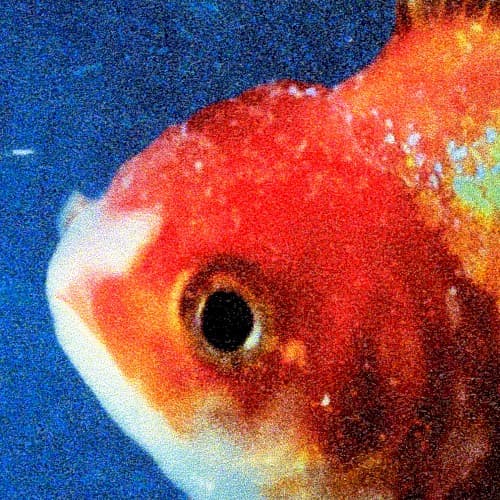
Vince Staples Big Fish Theory — When Long Beach Went to Detroit and Never Came Back
No other West Coast album has sounded this hostile toward the West Coast sound. Big Fish Theory lands like Vince Staples showing up to a lowrider show in a Prius and daring anyone to say something about it. The album strips away everything California rap is supposed to be — no funk samples, no palm trees, no G-funk synths — and replaces it with industrial Detroit techno, UK grime bass and the kind of electronic production that makes your stereo sound broken before you realize it is exactly what he wanted. This is Long Beach by way of Berlin nightclubs, and Staples never blinks.
The album arrived when West Coast rap was having an identity crisis. Kendrick owned the prestige lane. YG had the streets. The new LA underground was still forming.
And here came Staples with an album that refused to compete in any of those categories. He went to Sophie, Flume, GTA, producers who had never touched a rap album before, and told them to make the most abrasive electronic music they could imagine. Then he rapped over it like it was the most natural thing in the world.
What makes you throw away the sound that raised you? Big Fish Theory is Staples answering that question by building something that could only exist now, in this exact moment of genre collapse and internet access and post-regional hip-hop. It is thirty-six minutes of someone who grew up on the same blocks as Snoop Dogg deciding that none of that history matters if the future sounds different.
The Sound of Sinking
The production here does not knock. It stutters, glitches, folds in on itself and rebuilds mid-song. Sophie and Flume built the sonic architecture — jagged synthesizers that sound like broken glass, bass frequencies so low they vibrate your teeth, 808s processed until they stop sounding like drums.
This is not music designed to play in cars.
Sophie, the late UK producer who helped define hyperpop, brings the most confrontational moments. The metallic percussion sounds like someone dropping wrenches on concrete. The synth tones refuse to resolve into anything comfortable.
Flume, coming off his mainstream EDM success, strips away all the festival-friendly elements and leaves only the skeletal structures underneath. GTA and Justin Vernon contribute the few moments where the album breathes — brief pockets of air before it collapses back into controlled chaos.
Staples raps with the same flat affect he always has, but here it sounds even more detached. His delivery never rises to meet the production intensity. He sounds bored describing violence, unbothered recounting trauma, indifferent to fame.
That monotone flow becomes the album's secret weapon — the calm center of an electronic storm that never stops moving. When he does inject emotion, it hits twice as hard because he has spent the entire album refusing to give you anything.
Lyrically, Staples is writing about the same Long Beach he always writes about — gang politics, survivor guilt, the emptiness of making it out — but the futuristic production creates cognitive dissonance. You are hearing stories about Ramona Park over beats that sound like they were made for a Berlin warehouse rave. That disconnect is the point.
Does West Coast struggle need West Coast sound to be authentic?
The album does drag in its middle section. Experiments do not fully land — interesting textures without enough song underneath them. And at times the relentless electronic assault becomes exhausting rather than exhilarating. When every song sounds like it is fighting you, the few moments of actual melody become oases you wish he visited more often.
Thirty-Six Minutes of Controlled Drowning
The opening stretch establishes the album's confrontational energy immediately and never lets you settle. The first track throws you into distorted bass and Staples describing the self-destruction of his own community. The energy feels more like a threat than a celebration. By the time the first interlude arrives, you are already exhausted, and the album is barely ten minutes in.
The middle section is where the album experiments most and succeeds least. The Kendrick feature somehow makes the song feel even more claustrophobic, both rappers trading bars over production that sounds like malfunctioning machinery. The momentum stalls here, and for an album this short, that is a problem. Several tracks push the electronic elements even further but end up feeling more like interludes than full ideas.
The back half recovers with the album's most direct moments. One track ironically sounds nothing like party music — it is a paranoid anthem about not trusting anyone in the club. Another builds around a vocal sample and Staples venting about police violence and systemic racism with the most emotion he shows all album. The closer features a hook that almost sounds pretty, almost sounds like relief, before the distorted production reminds you that nothing here resolves cleanly.
The Album That Refused to Fit
Big Fish Theory sits in the middle of Vince Staples discography — more daring than Summertime '06, more focused than FM!, less accessible than his self-titled. It is his most polarizing album because it is his most uncompromising. He made an electronic rap album before electronic rap was a defined lane, and he did it without asking permission from traditionalists or explaining himself to confused fans.
This is for listeners who want hip-hop to sound like the future rather than the past. If you need trunk rattle and sample-based production, this will frustrate you. If you are curious what happens when a West Coast rapper completely abandons regional sound, this is essential listening. The album aged well because nothing else sounded like it in 2017, and still nothing sounds quite like it now.
Start with Big Fish and BagBak to understand the two poles of the album — one fully committed to electronic chaos, one grounded in traditional rap structure. Then try Yeah Right to hear how Staples and Kendrick navigate Sophie's production. If those tracks work, the full album is worth the dive. If they do not, no other songs here will convert you.
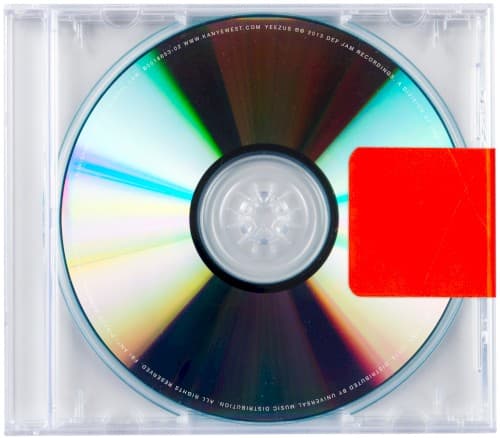
For similar sonic experiments, check Kanye West Yeezus for industrial rap done with different intentions, or Death Grips The Money Store for what happens when you push the aggression even further. Travis Scott Rodeo explores electronic production in rap but stays closer to mainstream palatability. Clipping's Splendor and Misery takes the experimental rap lane into sci-fi territory.
Big Fish Theory proved Vince Staples would rather fail trying something new than succeed repeating himself. The album is a thirty-six minute argument that regional sound is dead, that authenticity is about honesty rather than sonic tradition, that Long Beach stories do not need Long Beach beats to matter. Some arguments you win by being right. Others you win by being too stubborn to lose.
Track Listing
Crabs in a Bucket
▲The opening salvo is all distorted bass and claustrophobia. Staples comes in describing the self-cannibalization of his own neighborhood over production that sounds like it is actively trying to escape the speakers. The title references the crabs-in-a-barrel metaphor, but the song is more interested in sonic discomfort than lyrical exposition. GTA's production uses these jagged synth stabs that never resolve, creating tension that lasts the entire two minutes. Staples raps with his usual flat affect, but here it sounds like shellshock — someone too tired to scream about the things that should make you scream. The song ends abruptly, no resolution, no fade, just a hard cut that sets the template for everything that follows. This is not an album that will hold your hand.
Big Fish
▲The title track is the closest thing to a single here, which tells you everything about this album's commercial ambitions. Juicy J shows up for ad-libs over production that sounds like someone remixed a Three 6 Mafia song in a European nightclub and forgot to add the Memphis. The hook is Staples repeating "big fish" over and over while the beat threatens to collapse under its own bass weight. What saves the song from being a pure sonic assault is the underlying groove — buried under all the distortion is an actual rhythm you can nod to. Staples spends two verses describing the emptiness of fame using aquarium metaphors, and it is more effective than it has any right to be. The song works because it is weird enough to be memorable but structured enough to be a song. This is probably what Def Jam thought might get radio play. They were wrong, but the song is excellent anyway.
Alyssa Interlude
●A brief pause where Staples reflects on watching friends get killed and the guilt of making it out. The production is almost gentle by this album's standards — just a simple synth pulse and Staples talking more than rapping. It feels like the eye of the storm, sixty seconds of vulnerability before the chaos resumes. The interlude works because it does not try to be more than a moment of breath.
Love Can Be…
●This is where the album starts showing cracks. The song has interesting textures — these buzzing synths that sound like insects, a bassline that feels like it is underwater — but not enough actual song holding it together. Staples delivers some sharp observations about relationships as transactions, but the hook never materializes into anything memorable. Damon Albarn contributes production, and you can hear his Gorillaz sensibility in the layered atmospherics, but the song feels more like a sketch than a finished idea. It is not bad, just incomplete, like an experiment that stopped before reaching a conclusion. The album is short enough that tracks like this stand out more than they should.
745
▲I heard this at a listening party in Silver Lake two weeks before the album dropped, and the room went silent trying to figure out what we were hearing. The production is pure Sophie — metallic percussion, synthesizers that sound alien, bass tones that physically hurt. Staples raps about expensive cars and material success over a beat that sounds like it is mocking the entire concept of flexing. The contradiction is the point. The song is simultaneously a flex track and a deconstruction of flex tracks, Staples showing off wealth while the production makes the whole enterprise sound hollow and dystopian. The hook — "745, 745, white on white" — is hypnotic in its repetition, turning a car model into a mantra that loses meaning the more you hear it. This is the album's most uncompromising moment, the song that separates fans from skeptics. If this works for you, the whole album works. If it does not, nothing else here will save you.
Ramona Park Is Yankee Stadium
▲The title is pure Staples — taking a Long Beach neighborhood park and equating it to a monument, arguing that his hood matters as much as any famous landmark. The production, courtesy of Haiku Hands and Ray Brady, uses these stuttering drums and warped vocal samples that create constant instability. Staples spends the song detailing the geography of his childhood, naming specific streets and corners, grounding all the futuristic production in concrete Long Beach reality. What makes the song work is the contrast between the specificity of the lyrics and the otherworldly sound design. He is describing a place you could visit on Google Maps over production that sounds like it came from another dimension. The song drags slightly in its back half — it is one of the longer tracks here, and the production does not evolve enough to justify the runtime. But the central idea is strong enough to carry it. This is Staples at his best: hyperlocal stories told through sounds that could only exist now.
Yeah Right
▲Kendrick shows up and somehow makes the song sound even more paranoid than it already did. Sophie's production is all broken glass and malfunctioning machinery, synths that sound like they are screaming. Staples opens with the most quotable line on the album — "Made myself a boss, a boss or a slave" — and spends his verse dismantling the myth of rap success. Kendrick's verse is pure technical skill, his flow bending around the jagged beat like he is dodging obstacles. The chemistry between them is interesting because they are both trying to outweird the production, both refusing to rap like normal humans over a normal beat. The result is exhausting in the best way — two of the best technical rappers alive treating an experimental electronic beat like a competitive sport. The song has no hook, no structure you can point to, just two verses and constant sonic assault. It should not work. It absolutely works.
Homage
▼This one loses me. The production is all atmosphere and no foundation, these swirling synths and distant vocal samples that never coalesce into a beat. Staples sounds bored, delivering bars that feel more like filler than focused writing. The song is trying for a hypnotic vibe but ends up just being repetitive. At under two minutes it does not overstay its welcome, but it also does not justify its existence. It feels like a transition track that forgot to transition anywhere.
Samo
▼Another moment where the experimentation overshoots. The title references Jean-Michel Basquiat's graffiti tag, and the song tries to be as avant-garde as the reference suggests. KUČKA contributes haunting vocals over production that is all negative space and tension. The problem is there is no release. The song builds and builds but never arrives anywhere. Staples delivers some interesting observations about art and commerce, but they get lost in the sonic murk. This is the album at its most self-indulgent — so committed to being weird that it forgets to be engaging.
Party People
▲The irony of the title is immediate — this is not party music by any traditional definition. The production sounds like paranoia, all jittery hi-hats and bass that feels like a panic attack. Staples raps about not trusting anyone in the club, turning the concept of celebration into something sinister and isolating. The song works because the production matches the lyrical content perfectly — you feel the anxiety Staples is describing. There are these brief moments where the beat almost opens up into something danceable, then it snaps back into claustrophobia. It is unsettling in exactly the way it should be. The hook is barely a hook, just Staples repeating "party people" in the flattest delivery possible, draining the phrase of any joy. This is club music for people who hate clubs, dance music that makes you want to leave the party.
BagBak
▲The most direct song on the album and the one that feels most like traditional Vince Staples. Built around a KUČKA vocal sample that almost sounds pretty, the song is Staples venting about police violence, systemic racism, and the exhaustion of being Black in America. This is the most emotion he shows all album — you can hear frustration bleeding through his usually flat delivery. The production, handled by Flume, Ray Brady, and Zack Sekoff, keeps the electronic elements but grounds them in an actual groove. The result is the album's most accessible moment without compromising the sonic vision. Staples delivers some of his sharpest political writing here, bars about gentrification and police shootings that feel urgent rather than academic. The song works because it balances experimentation with purpose — the weird production serves the lyrical content instead of overwhelming it. If you only play one track from this album for someone unfamiliar with it, this is the one. It shows what Staples can do when he channels all the sonic chaos toward a clear target.
Rain Come Down
▲The closer brings Ty Dolla Sign for a hook that sounds almost like relief, almost like resolution, before you remember where you are. The production is still jagged and uncomfortable, but Ty's vocals add a melodic element that the rest of the album mostly refused. Staples sounds exhausted, delivering bars about barely surviving Long Beach and not knowing what comes next. The song does not offer answers or closure — it just ends. The final minute is mostly instrumental, synths fading in and out, the beat deconstructing itself until nothing is left. It is a fitting conclusion for an album that never promised you comfort. Some albums end with triumph or revelation. This one ends with uncertainty and the faint hope that maybe the rain will wash something clean. It probably will not, but the hope alone is more than Staples gave you anywhere else on these thirty-six minutes.