Chattanooga's Introspective Voice in Modern Hip-Hop
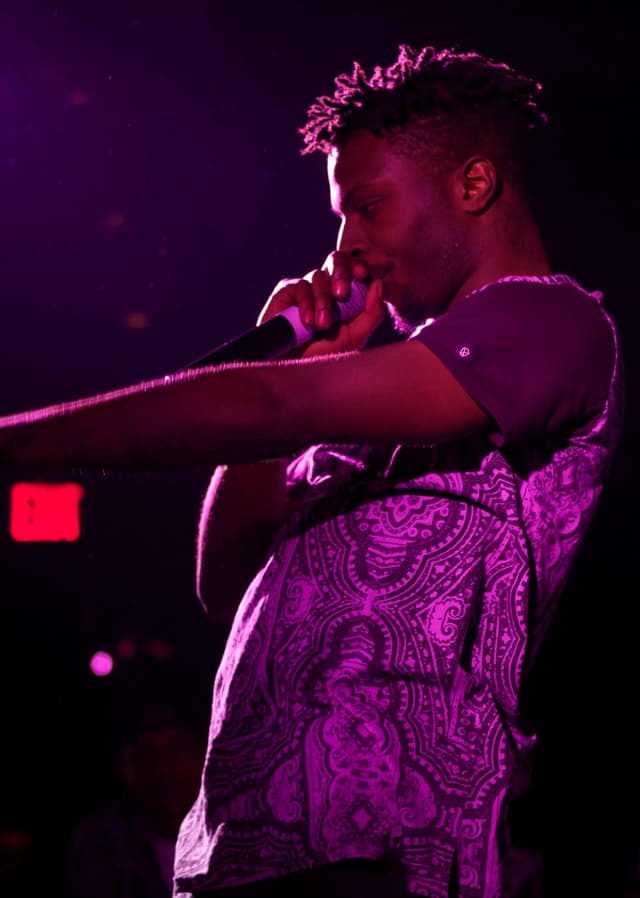
Isaiah Rashad emerged from Chattanooga, Tennessee with a perspective hip-hop rarely hears — southern gothic melancholy filtered through weed smoke and therapy sessions. Signed to Top Dawg Entertainment in 2013 after catching the ear of the label's president through his Cilvia Demo project, Rashad became the roster's most emotionally raw artist, operating in territory somewhere between the confessional depth of Kendrick Lamar and the hazy introspection of early Curren$y. His music soundtracks quarter-life crises with jazzy production and vocals that hover between rapping and singing, never fully committing to either.
What sets Isaiah Rashad apart in TDE's powerhouse lineup isn't technical superiority or commercial ambition. It's his willingness to document depression, addiction, and self-doubt without resolution or redemption arcs. Where Kendrick maps trauma onto epic narratives and Jay Rock channels pain into street anthems, Rashad simply sits with discomfort. His albums feel like long conversations with friends who won't judge you for smoking too much or staying in bed past noon. This honesty has built a devoted cult following despite limited radio presence and years-long gaps between releases.
Blunted Soul: Isaiah Rashad's Production Aesthetic and Vocal Approach
Isaiah Rashad's sonic identity draws heavily from southern hip-hop traditions while incorporating jazz fusion, neo-soul textures, and stoned psychedelia. Producers like D. Sanders, Chris Calor, and Sounwave craft instrumental beds that feel lived-in and worn, favoring warm basslines, dusty drum breaks, and keys that shimmer like heat rising off summer pavement. The production rarely demands attention — it invites you to sink into it. Tracks unfold slowly, giving Rashad space to meander through verses without rushing toward hooks.
Vocally, Rashad occupies an unusual register. His delivery sits low in his range, often slurred or mumbled, occasionally breaking into melodic runs that feel half-remembered rather than rehearsed. He doesn't chase technical complexity or quotable punchlines. Instead, he prioritizes feel and mood, letting syllables spill out in patterns that mirror thought itself — circular, repetitive, searching. The effect is hypnotic rather than impressive, intimate rather than performative. Listening to Isaiah Rashad feels like overhearing someone's internal monologue, complete with false starts and unfinished thoughts.
This approach risks monotony, and critics have noted his albums can blur together on first listen. But repetition serves a purpose here. Rashad's music mimics depressive cycles, anxiety loops, the way your mind returns to the same problems from slightly different angles. The aesthetic isn't about showcasing skill. It's about creating a textural space where vulnerability doesn't require explanation.
From Cilvia Demo to The House Is Burning: Isaiah Rashad's Stop-and-Start Trajectory
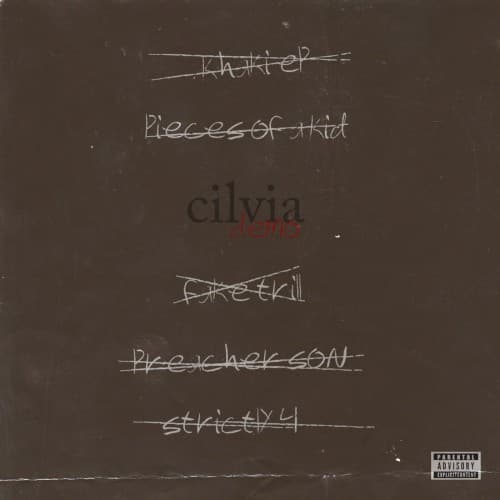
Isaiah Rashad's professional career began in earnest with Cilvia Demo, released in January 2014 through Top Dawg Entertainment. The project arrived with minimal fanfare compared to the label's other signings, but it immediately established Rashad's artistic identity. Tracks like "Heavenly Father" and "RIP Kevin Miller" introduced his confessional approach and jazz-inflected production palette. The EP performed modestly commercially but earned critical respect, positioning Rashad as TDE's sensitive outlier — the roster member least concerned with hits or chart positioning.
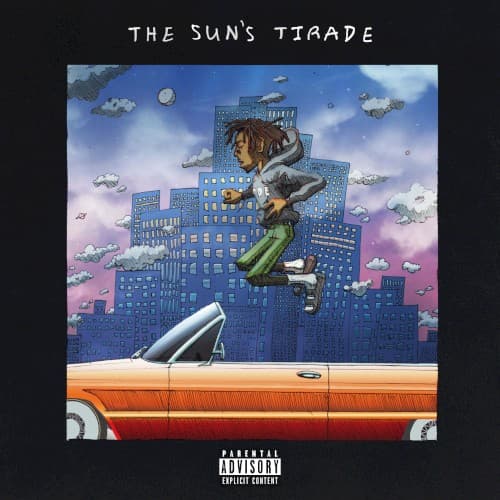
The follow-up, The Sun's Tirade, didn't arrive until September 2016, a gap that foreshadowed the struggles defining Rashad's career. The album expanded Cilvia Demo's blueprint across eighteen tracks, incorporating more melodic experimentation and guest features from SZA, Kendrick Lamar, and Jay Rock. Production remained understated, with contributions from D. Sanders, Chris Calor, and others who understood Rashad's need for space rather than spectacle. The Sun's Tirade debuted at number seventeen on the Billboard 200, a respectable commercial showing that solidified his cult following without breaking him into mainstream consciousness.
Then came five years of near-silence. Rashad largely disappeared from public view between 2016 and 2021, a period he later revealed involved battles with depression, substance abuse, and creative paralysis. TDE remained supportive but couldn't force productivity from an artist wrestling with demons more urgent than album cycles. Occasional features surfaced, but no solo material. Fans wondered if Rashad would ever release another project, or if The Sun's Tirade represented his creative peak and final statement.
The House Is Burning arrived in July 2021, ending the drought with an album that felt simultaneously like a continuation and a reset. Produced largely by Hollywood Cole, Kal Banx, and Devin Malik, the project leaned harder into melody and featured a sprawling guest list including Lil Uzi Vert, Duke Deuce, and Smino. Rashad sounded both worn down and cautiously optimistic, documenting his struggles without wallowing. The album debuted in the top ten, his highest chart position, proof that his fanbase had waited patiently.
Throughout his career, Isaiah Rashad has operated on his own timeline, releasing music when he's capable rather than when the industry demands it. This approach has limited his commercial ceiling but preserved his artistic integrity. He's never chased trends or compromised his sound for radio play. The cost has been visibility — Rashad remains largely unknown outside hip-hop circles despite being signed to one of the genre's most prestigious labels. The benefit has been consistency of vision across a small but cohesive catalog.
The Quiet Influence of Isaiah Rashad on Introspective Southern Rap
Isaiah Rashad's impact on hip-hop operates quietly, influencing a generation of artists who prioritize mood over bars and vulnerability over posturing. His willingness to document mental health struggles without sanitizing them for consumption paved ground for rappers who treat music as therapy rather than performance. You hear echoes of his hazy, jazz-inflected production in artists like Smino, Saba, and Mavi — MCs who understand that sometimes the most honest thing you can do is mumble your way through a verse.
Within TDE's legacy, Rashad represents the label's artistic range. Where Kendrick pushes hip-hop into concept album territory and ScHoolboy Q delivers West Coast street anthems, Rashad offers something quieter and more interior. He's proven a major label can support an artist with limited commercial ambitions, that cult followings sustain careers even without hits. His three projects collectively argue for patience in an industry built on quarterly release cycles and algorithmic momentum.
Rashad's career also highlights the ongoing conversation about mental health in hip-hop. His five-year absence between albums and his candid discussions about depression and substance abuse normalized taking time to heal. For younger artists watching from Chattanooga or similarly overlooked southern cities, Isaiah Rashad's trajectory demonstrates you don't need to abandon your hometown's musical DNA or manufacture a radio-friendly persona to matter. Sometimes the most revolutionary act is simply being honest about how hard it is to get out of bed, then making music that sounds exactly like that feeling.