The Album That Perfected Jazz Rap's Formula
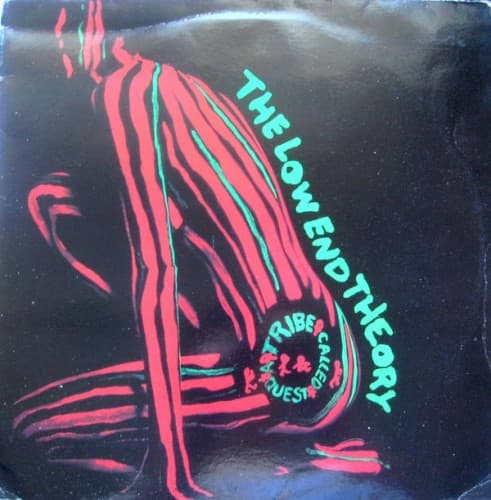
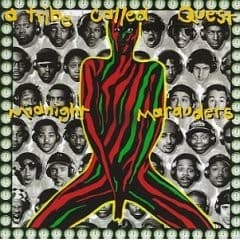
When A Tribe Called Quest released Midnight Marauders in November 1993, they faced an impossible challenge: following up The Low End Theory, an album that had already redefined hip-hop's relationship with jazz. Rather than chase innovation for its own sake, Q-Tip, Phife Dawg, Ali Shaheed Muhammad, and Jarobi White crafted something equally ambitious but fundamentally different—a warmer, more accessible refinement of their established sound that traded avant-garde experimentation for meticulous sequencing and cohesive atmosphere.
The album arrives with a conceptual frame that immediately signals its intentions. The opening track functions as literal tour guidance, with a roll call of every artist featured across the fourteen tracks. This isn't showboating—it's a mission statement about community, collaboration, and the album as complete journey rather than singles collection. Where The Low End Theory felt like a thesis argument, Midnight Marauders reads like a confident late-night conversation, the kind that meanders through topics but never loses its thread.
What makes this album endure beyond its considerable commercial success—it went gold within two months—is how it balances artistic ambition with genuine warmth. Q-Tip's production draws from the same jazz foundation as their previous work, but the samples feel less academic, more instinctive. The basslines sit deeper in the mix, the drums knock harder, and the overall sonic palette favors cohesion over individual track experimentation. This is an album designed to be absorbed front-to-back, where each track serves the larger mood even as it stands alone.
The Architecture of Atmosphere and Precision
The production across Midnight Marauders represents Q-Tip at the height of his powers as a sonic architect. While The Low End Theory built its foundation on Ron Carter's upright bass and hard drums, this album opts for warmer textures—muted horn samples, Rhodes keyboards, and basslines that rumble rather than punch. The shift is subtle but crucial. Tracks like "Steve Biko (Stir It Up)" and "We Can Get Down" use looped drums that feel less clinical than their predecessors, introducing swing and human imperfection into the rhythmic pocket. The album breathes in ways that pure boom-bap doesn't allow.
What elevates the production beyond technical proficiency is its restraint. Q-Tip understands negative space—when to let a bassline carry four bars alone, when to strip everything back to just drums and vocals, when a well-placed horn stab will hit harder than a full arrangement. "Electric Relaxation" builds its entire identity around this principle, using a sparse Ronnie Foster sample and minimal drums to create maximum sensuality. The song doesn't seduce through complexity; it seduces through confidence in simplicity. This same philosophy governs the entire album, creating a hypnotic flow state that makes the fifty-one-minute runtime feel effortless.
Lyrically, the album marks Phife Dawg's full arrival as Q-Tip's equal rather than his complement. Where previous albums positioned Phife as the grounded counterpoint to Tip's abstract tendencies, Midnight Marauders finds both MCs operating at peak sharpness, trading bars with genuine chemistry. Phife's verse on "Award Tour" remains one of hip-hop's great scene-setting moments—"We on Award Tour with Muhammad my man / Going each and every place with the mic in their hand"—delivered with the casual authority of someone who knows exactly where they stand. His confidence pervades the album, whether he's addressing critics on "Sucka Nigga" or simply enjoying the craft on "8 Million Stories."
Q-Tip, meanwhile, operates across multiple registers. He can be philosophical ("God Lives Through"), political ("Steve Biko"), sensual ("Electric Relaxation"), or simply technically dazzling ("Lyrics to Go"). What's remarkable is how he modulates his delivery to match each track's temperature. On "Midnight," he adopts a conversational flow that feels like he's thinking aloud. On "Oh My God," featuring Busta Rhymes in peak wild-child form, he maintains composure while chaos erupts around him. This versatility prevents the album from becoming monotonous despite its consistent sonic palette.
Thematically, Midnight Marauders explores the tension between commercial success and artistic integrity without ever becoming heavy-handed about it. "Sucka Nigga" directly confronts both the n-word's complexity and the group's critics, while "Award Tour" celebrates their success without apology. The album acknowledges that A Tribe Called Quest exists in a commercial landscape—this is a major label release designed to sell—but refuses to compromise its vision to chase trends. In 1993, as gangsta rap dominated sales and alternative hip-hop fought for space, this balancing act required genuine courage. The album's success proved that audiences would meet thoughtful artists halfway.
The Moments That Define the Journey
"Electric Relaxation" operates as the album's emotional and sonic centerpiece, a track so perfectly constructed it feels inevitable. The Ronnie Foster sample provides just enough melodic movement to maintain interest across four minutes while never overwhelming the vocals. Q-Tip and Phife trade verses about romantic pursuit with a lightness that borders on playful, avoiding the aggressive posturing that characterized much mid-90s hip-hop sexuality. The track's genius lies in its patience—it never rushes, never oversells, trusts its own appeal completely. Decades later, it remains the gold standard for sensual hip-hop that respects both its subject and its audience.
"Award Tour" captures the group at their most purely joyful, a celebration of their journey that never tips into self-congratulation. The Weldon Irvine sample provides a triumphant foundation, while Trugoy from De La Soul's appearance reinforces the Native Tongues collective's collaborative spirit. What makes the track exceptional is how it balances victory lap energy with genuine craft—the verses are technically accomplished, the hook is effortlessly memorable, and the production maintains momentum without becoming exhausting. It's the rare single that serves both radio programmers and serious listeners equally well.
"Oh My God" might be the album's most daring moment, pairing Tribe's controlled aesthetic with Busta Rhymes in full manic mode. Busta's verse—"It's the Leaders of the New, time for some action / Sat back and watchin all the things that's happenin"—explodes with energy that could derail a lesser track, but Q-Tip's production provides just enough structure to contain the chaos. The song demonstrates Tribe's confidence in their own vision: they can invite a wildly different energy into their world without being consumed by it. The track vibrates with controlled excitement, a reminder that precision doesn't require sterility.
Where Midnight Marauders Stands in Hip-Hop's Canon
Midnight Marauders represents something increasingly rare in hip-hop: a commercially successful album that refuses to sacrifice artistic vision for accessibility. It sold because it was exceptional, not because it chased trends or dumbed down complex ideas. The album's influence extends beyond its considerable sales—it demonstrated that jazz-inflected hip-hop could maintain warmth and humanity while operating at the highest technical level. Artists from J Dila to Kendrick Lamar have absorbed its lessons about sequencing, restraint, and the power of cohesive atmosphere.
The album's minor weaknesses are precisely that—minor. Some may find the consistency of tone too uniform, wishing for more dramatic peaks and valleys. A few tracks in the album's second half, while solid, don't reach the heights of the first eight songs. "The Chase, Part II" and "Keep It Rollin'" serve the overall flow without demanding repeat listens on their own merits. These are quibbles about an album that succeeds so thoroughly at its chosen approach that faulting it for not being something else feels unfair.
Thirty years later, Midnight Marauders has aged remarkably well, largely because it never relied on production trends or topical references to carry its weight. The album sounds timeless because it pursued timelessness from the beginning—rooting itself in jazz, soul, and the fundamental elements of rhythm and poetry. It's the rare classic that justifies its reputation every time you return to it, revealing new subtleties in Q-Tip's production choices, Phife's wordplay, and the overall architecture. This is a masterclass in how to make a complete album rather than a collection of tracks, and it remains essential listening for anyone serious about understanding hip-hop's creative possibilities.
Track Listing
Midnight Marauders Tour Guide
▲The album opens with a conceptual masterstroke that simultaneously welcomes listeners and establishes the project's collaborative spirit. This isn't a conventional intro—it's a literal tour guide, with each featured artist's name announced over minimal production. The approach immediately distinguishes Midnight Marauders as an album experience rather than a playlist. Q-Tip's production keeps things sparse, allowing the roll call to build anticipation rather than overwhelm. It's a confident opening gesture that trusts the audience to engage with the album as a complete journey.
Steve Biko (Stir It Up)
▲Named after the South African anti-apartheid activist, this track establishes the album's sonic and thematic foundation. The Jimi Hendrix sample provides a psychedelic texture beneath hard-hitting drums, creating tension between cosmic exploration and grounded boom-bap. Q-Tip and Phife trade verses that touch on consciousness and identity without becoming preachy, maintaining the conversational approach that defines their partnership. The production choices here—particularly the way the sample chops and loops—demonstrate Q-Tip's growing sophistication as a beat architect. This is purposeful music that never forgets to groove.
Award Tour
▲The album's commercial breakthrough and arguably its most universally beloved track. The Weldon Irvine sample provides an instantly memorable melodic foundation, while Trugoy's appearance reinforces the Native Tongues collective's collaborative ethos. What makes the song exceptional is how effortlessly it balances celebration with craft—this is a victory lap that never stops running. Phife's opening verse remains iconic for good reason, capturing the group's journey with vivid detail and casual authority. The track proved that Tribe could create radio-friendly singles without compromising their artistic identity.
8 Million Stories
▲A showcase for pure lyrical ability over understated production that lets the wordplay breathe. The track's relatively minimal arrangement—a looped bassline, crisp drums, and subtle keyboard touches—creates space for Q-Tip and Phife to demonstrate technical precision without flashiness. The verses unfold like casual conversation between friends who happen to be exceptionally skilled at their craft. While it doesn't reach the heights of the album's standout moments, it serves as essential connective tissue, maintaining momentum without demanding constant peaks of intensity.
Sucka Nigga
▲Perhaps the album's most controversial and necessary track, directly confronting both the n-word's usage and the group's critics. Q-Tip's production provides a confrontational edge without becoming aggressive, using a looped horn sample and punchy drums to match the lyrical directness. The song tackles complex territory—reclaiming language, addressing authenticity politics, defending artistic choices—with nuance that avoids easy answers. Phife and Tip both deliver verses that balance frustration with intelligence, refusing to either apologize or oversimplify. It's the kind of purposeful music that commercial hip-hop rarely attempts, and it succeeds because it comes from genuine conviction rather than controversy chasing.
Midnight
▲The title track establishes the album's nocturnal atmosphere with production that feels like late-night city wandering. Q-Tip's conversational flow perfectly matches the track's temperature—never urgent, always engaged, comfortable in its own skin. The beat's looped bassline and minimal drums create hypnotic repetition that supports rather than competes with the vocals. Raphael Saadiq's appearance adds soulful texture without disrupting the track's meditative quality. This is music designed for headphone listening after dark, when the world slows down and introspection feels natural.
We Can Get Down
▲A mission statement about hip-hop's possibilities, delivered over production that swings harder than most of the album. The drums here feel looser, more human, introducing swing and groove that prevents the track from becoming too rigid. Q-Tip and Phife use the track to assert their credibility while celebrating the culture's diversity, walking the line between confidence and inclusivity. The production's warmth matches the lyrical openness, creating a track that invites listeners in rather than keeping them at arm's length. It's a reminder that artistic seriousness doesn't require coldness or distance.
Electric Relaxation
▲The album's undisputed masterpiece and one of hip-hop's greatest exercises in restraint and atmosphere. The Ronnie Foster sample provides just enough melodic movement across four minutes of hypnotic repetition, while the drums remain minimal and unobtrusive. Q-Tip and Phife approach romantic pursuit with lightness and respect, avoiding the aggressive sexuality that characterized much contemporary rap. The track's genius lies in its patience—nothing is rushed, nothing is oversold, everything trusts its own appeal. Decades later, it remains the definitive example of sensual hip-hop that respects both craft and subject matter.
Clap Your Hands
●A stripped-down track that returns to hip-hop's foundational elements—drums, bass, and skilled MCs. The production deliberately avoids complexity, letting the rhythm and vocal interplay carry the entire track. Q-Tip and Phife sound completely comfortable in this minimal space, their chemistry evident in how they trade bars and finish each other's thoughts. While it doesn't reach the creative heights of the album's standout moments, it serves as a palate cleanser between more ambitious tracks, reminding listeners that sometimes the simplest approaches hit hardest.
Oh My God
▲The album's most explosive moment, pairing Tribe's controlled aesthetic with Busta Rhymes in full manic mode. Busta's verse erupts with energy that could derail a lesser track, but Q-Tip's production provides just enough structure to contain the controlled chaos. The beat's driving bassline and urgent drums match Busta's intensity without becoming overwhelming, demonstrating Tribe's ability to incorporate wildly different energies into their world. The track vibrates with excitement, proving that precision and spontaneity aren't mutually exclusive. It's a thrilling reminder that A Tribe Called Quest could match any energy level without losing their identity.
Keep It Rollin'
●A solid mid-album track that maintains momentum without demanding individual attention. The production keeps things moving with a funky bassline and steady drums, while the verses from Q-Tip and Phife demonstrate consistent quality without reaching for standout moments. It's the kind of track that serves the album's overall flow perfectly—never dragging, never derailing, always keeping the journey moving forward. While it won't convert skeptics or appear on many highlight reels, it exemplifies the album craft that makes Midnight Marauders work as a complete experience.
The Chase, Part II
●A sequel to their earlier work that finds the group exploring slightly darker sonic territory. The production features more ominous horn samples and harder-hitting drums, creating tension that stands out against the album's generally warm atmosphere. Q-Tip and Phife both deliver strong verses, but the track ultimately feels like a detour rather than a destination—interesting in the moment but not essential to the album's larger statement. It's competent work from artists operating at a high baseline, even when not reaching their absolute peak.
Lyrics to Go
▲A showcase for pure technical ability over production that stays deliberately understated. The track strips away melodic complexity to focus attention on wordplay, flow, and delivery. Both Q-Tip and Phife demonstrate why they're considered among hip-hop's elite lyricists, constructing verses that reward close listening without becoming dense or inaccessible. The production's minimalism serves the vocals perfectly, providing just enough rhythmic foundation to support the lyrical architecture. While it doesn't carry the emotional weight of the album's standout moments, it reminds listeners that fundamental skill remains at the heart of everything A Tribe Called Quest creates.
God Lives Through
▲The album closes with its most spiritually focused moment, a meditation on faith and existence over production that maintains warmth while introducing contemplative space. Q-Tip's production allows for breathing room between elements, creating an atmosphere conducive to reflection rather than action. The lyrics explore belief without preaching, maintaining the conversational approach that defines the album even when addressing weighty subjects. As a closer, it provides resolution without finality—the journey ends, but the conversation continues. It's a thoughtful conclusion to an album that consistently trusted its audience to engage with ideas beyond surface entertainment.