The Native Tongues Architects Who Reimagined Hip-Hop's Sonic Palette
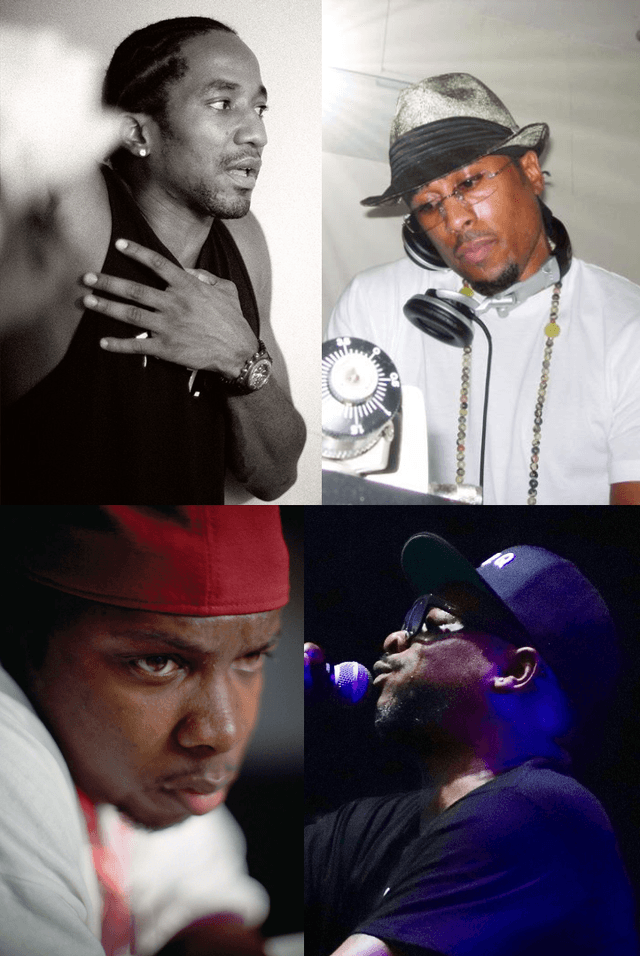
A Tribe Called Quest didn't just make hip-hop records—they expanded the genre's entire conception of what was sonically permissible. Emerging from Queens in the late 1980s as part of the Native Tongues collective, the group built their foundation on an unlikely proposition: that jazz samples, Afrocentric consciousness, and conversational flow could coexist with street credibility and commercial success. Q-Tip, Phife Dawg, Ali Shaheed Muhammad, and Jarobi White created music that felt like overhearing a brilliant conversation between friends, their chemistry so natural it seemed effortless.
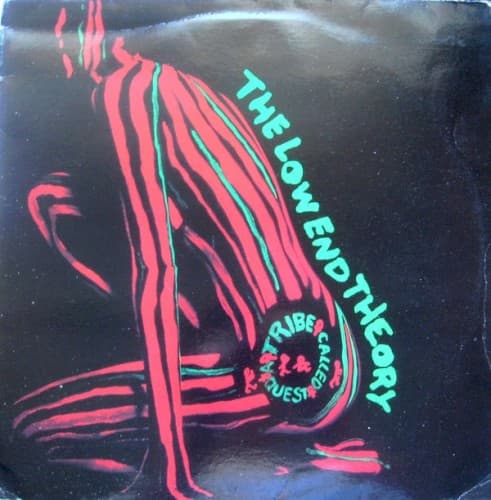
The group's impact extends far beyond their six studio albums. They proved alternative approaches could thrive in hip-hop without sacrificing authenticity or cultural relevance. Where many of their contemporaries built tracks around funk breaks and soul loops, Tribe dug into bebop, modal jazz, and fusion—extracting warmth and swing from sources that seemed incompatible with rap music. Their 1991 masterpiece The Low End Theory stands as one of hip-hop's most influential recordings, a template that countless artists would study and reinterpret for decades.
What made A Tribe Called Quest essential wasn't just their sound—it was their perspective. They rapped about everyday experiences, romantic complications, and cultural pride without resorting to the hardened postures dominating East Coast rap in the early 1990s. This wasn't softness; it was confidence. They created space for introspection, humor, and vulnerability within a genre increasingly defined by aggression and bravado.
Jazz-Sampling Architects: The Group's Distinctive Production Philosophy
Ali Shaheed Muhammad's production work established a new language for hip-hop beatmaking. Rather than chopping jazz samples into unrecognizable fragments, he preserved their melodic and harmonic content, letting upright bass lines breathe and horn arrangements maintain their phrasing. Tracks built around Ron Carter bass walks or Roy Ayers vibraphone cascades retained their source material's sophistication while functioning perfectly as rap foundations. This wasn't simple looping—it was curation, selecting moments that already possessed the rhythmic pocket hip-hop required.
Q-Tip's production contributions brought a different sensibility, often favoring drum programming that emphasized space and swing over density. His hi-hat patterns and snare placements created grooves that felt loose and human, avoiding the mechanical precision that defined much early sampling work. When he layered sounds, each element occupied its own frequency range, creating mixes that felt open and dimensional rather than cluttered. The result was music you could analyze or simply inhabit, tracks that rewarded both active listening and background absorption.
Vocally, the interplay between Q-Tip and Phife Dawg defined the group's identity. Q-Tip's abstract, almost sung delivery contrasted perfectly with Phife's more direct, punchline-driven approach. They traded bars like bebop musicians trading fours, each pushing the other toward sharper phrasing and more inventive wordplay. Their chemistry transcended technique—it was brotherhood made audible, two distinct voices creating something neither could achieve alone.
From People's Instinctive Travels to We Got It from Here: Three Decades of Evolution
The group's 1990 debut People's Instinctive Travels and the Paths of Rhythm introduced their aesthetic fully formed. Tracks like "Can I Kick It?" and "Bonita Applebum" established their conversational flow and jazz-sampling approach, but the album's playful experimentation sometimes obscured its ambition. Critics recognized something special, though commercial success remained modest. The Native Tongues collective—including De La Soul and Jungle Brothers—provided artistic community and mutual support, creating an alternative to the competitive individualism dominating hip-hop.
Everything crystallized with The Low End Theory in 1991. The album stripped away the debut's occasional whimsy, focusing on groove, lyricism, and Ron Carter's double bass. Tracks like "Excursions" and "Jazz (We've Got)" made explicit arguments for jazz and hip-hop's kinship, while "Scenario" became an anthem and launched Busta Rhymes toward solo stardom. The album's influence proved immediate and lasting—its production aesthetic became a template, its balance of accessibility and artistry a model for commercial viability without compromise.
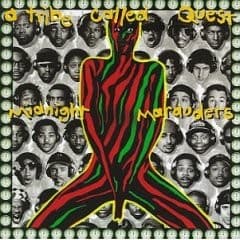
Midnight Marauders in 1993 refined rather than revolutionized their approach. Songs like "Award Tour" and "Electric Relaxation" demonstrated their ability to craft radio-friendly singles without sacrificing sophistication. The album's seamless sequencing and consistent quality made it many fans' favorite, even if it broke less new ground than its predecessor. Beats, Rhymes and Life in 1996 and The Love Movement in 1998 showed a group grappling with internal tensions and changing industry dynamics. Both albums contained brilliant moments—"1nce Again" and "Find a Way" among them—but creative disagreements between members became increasingly apparent.
The group disbanded in 1998, their absence becoming more conspicuous as hip-hop moved toward glossier production and different lyrical priorities. Reunion performances in the 2000s demonstrated their music's durability and the fanbase's loyalty, but Phife Dawg's health struggles cast uncertainty over any sustained comeback. When they returned with We Got It from Here... Thank You 4 Your Service in 2016, it felt both triumphant and bittersweet. Phife's contributions were recorded before his death that March, making the album simultaneously a creative rebirth and a eulogy. Tracks addressing police violence and political disappointment showed the group's consciousness evolving with current events, proving their relevance extended beyond nostalgia.
Cultural Architects: How Tribe Expanded Hip-Hop's Creative Boundaries
A Tribe Called Quest's influence operates on multiple levels. Sonically, they legitimized jazz sampling as a sustainable aesthetic rather than novelty approach, opening pathways for artists from The Roots to Kendrick Lamar. Their production philosophy—prioritizing groove and space over density—anticipated the minimalist turns artists like Kanye West and J Dilla would later explore. Lyrically, they demonstrated that consciousness didn't require didacticism, that you could address social issues and personal experiences without abandoning entertainment value or street credibility.
The group's cultural impact extends beyond direct musical influence. They embodied an alternative model of masculinity within hip-hop, one that valued intelligence, sensitivity, and Afrocentric pride without performing hardness or aggression. This created permission structures for subsequent artists to explore wider emotional and thematic ranges. Their aesthetic—the album covers, the fashion choices, the visual presentations—established a bohemian alternative to hip-hop's increasingly materialistic imagery in the 1990s.
Their legacy lives most vividly in how thoroughly their innovations became standard practice. Jazz samples in hip-hop no longer sound revolutionary—they sound foundational, largely because Tribe normalized the approach so completely. When contemporary artists balance commercial ambition with artistic integrity, they're walking paths Tribe helped clear. The conversational, back-and-forth vocal style they perfected became hip-hop grammar, their chemistry the standard by which group dynamics get measured. They didn't just make great records—they expanded what hip-hop could be, leaving the genre permanently larger than they found it.