When Fame Becomes the Monster You Created
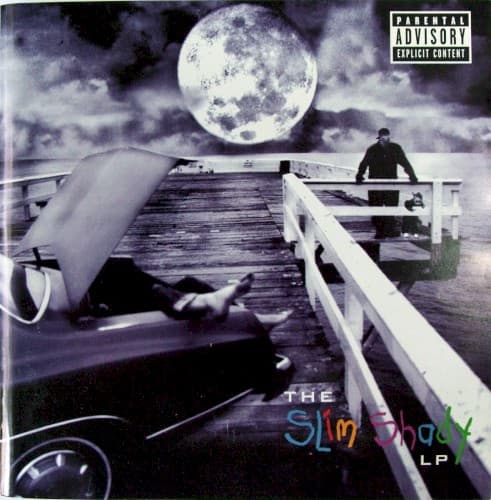
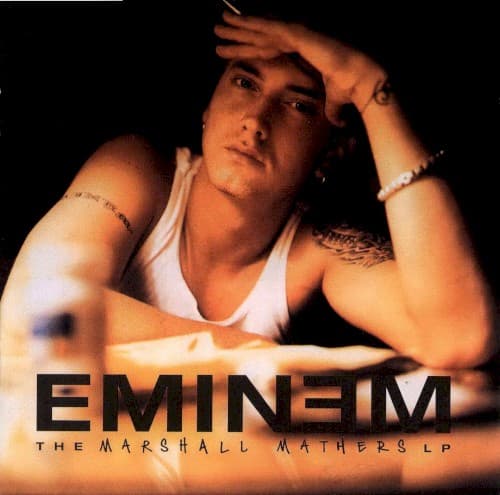
By the time Eminem entered the studio to record The Marshall Mathers LP, he'd already experienced something most artists never encounter: the disorienting vertigo of overnight global fame. The Slim Shady LP had transformed him from Detroit underground curiosity into pop culture lightning rod, and the world wanted more—more shock value, more controversy, more of the bleach-blonde cartoon character. Instead, Marshall Mathers delivered something far more unsettling: an album where fame itself becomes the central villain, twisting every relationship, magnifying every trauma, and threatening to consume the human being underneath the persona.
Released in May 2000 through Aftermath Entertainment and Interscope, this album arrived at a cultural flashpoint. Eminem faced protests from parent groups, politicians, and advocacy organizations while simultaneously dominating MTV and radio. The Marshall Mathers LP doesn't retreat from that controversy—it weaponizes it, turning the criticism, the fame, the moral panic, and the personal fallout into raw material for a portrait of psychological unraveling. Dr. Dre returns as primary architect of the album's sonic landscape, crafting some of the darkest, most claustrophobic beats of his career to match the increasingly unhinged perspective of the lyrics.
What makes this album remarkable isn't just its commercial dominance or its ability to provoke—it's how Eminem uses the architecture of a major-label rap album to document his own disintegration in real time. Across eighteen mainline tracks and multiple skits, we watch someone process fame, resentment, violence, addiction, and self-hatred simultaneously, often within the same verse. The result is uncomfortable, brilliant, and unlike anything else in mainstream rap history.
Psychological Architecture and Sonic Claustrophobia
The production landscape Dr. Dre and his team construct here represents a deliberate departure from the playful menace of The Slim Shady LP. These beats feel heavier, more suffocating, built from minor-key melodies and bass frequencies that sit in your chest rather than bounce. Tracks like Kill You and Marshall Mathers use sparse, threatening instrumentation that leaves space for the vocals to land with maximum impact—every syllable feels deliberate, every rhyme scheme meticulously constructed to maximize discomfort. The production choices mirror the psychological state being documented: there's nowhere to hide, no comic relief that doesn't eventually curdle into something darker.
Dre's genius here lies in understanding that Eminem needed sonic environments that could contain his escalating intensity without collapsing. The beats provide structure and groove while never overshadowing the lyrical content. The Way I Am rides a hypnotic guitar loop that feels like thoughts circling obsessively, while The Real Slim Shady flips the script with a bouncy, almost cheerful backdrop that makes the satirical venom land even harder. This production diversity prevents the album from becoming monotonous despite its thematic darkness—each track has its own textural identity while contributing to the larger emotional arc.
Lyrically, this album showcases technical mastery in service of psychological excavation. Eminem's internal rhyme schemes, multisyllabic patterns, and rhythmic variations have reached a peak here—he can bend language into impossible shapes while maintaining conversational clarity. But the technical brilliance serves a larger purpose: documenting the experience of being simultaneously the most famous rapper alive and someone who cannot escape his own trauma. The persona-shifting across tracks isn't just artistic play—it reflects genuine fracturing, the sense that fame has split Marshall Mathers into competing identities that war with each other throughout the album.
The album's treatment of violence and transgression operates on multiple levels simultaneously. Surface-level shock value exists, certainly, but beneath it runs a consistent thread of self-awareness about performance, media consumption, and audience complicity. Who Knew directly addresses the gap between artistic expression and real-world responsibility, while Criminal closes the album by forcing listeners to confront their own voyeurism. The violence depicted isn't celebrated so much as it's presented as symptom—of rage, of powerlessness transformed into fantasy control, of someone using art to process feelings that have no socially acceptable outlet.
What elevates this beyond mere provocation is the emotional honesty threaded throughout. Beneath the shocking imagery and aggressive posturing runs a current of genuine pain—about poverty, about fractured family relationships, about the impossible pressure of sudden fame, about addiction and mental health struggles that can't be solved by success. The album captures the paradox of getting everything you thought you wanted and discovering it makes everything worse. That tension between external triumph and internal collapse gives the project its sustained power.
The Tracks That Define Eminem's Peak
Stan represents not just the album's artistic peak but arguably Eminem's greatest achievement as a storyteller. Built around a Dido sample that sounds like melancholy made audible, the track unfolds as a series of increasingly unhinged fan letters before revealing the tragic conclusion. The narrative structure—three letters building to the final verse revelation—demonstrates cinematic pacing, while the performance captures the progression from admiration to obsession to violence with frightening precision. The track introduced a term into popular culture and remains the gold standard for narrative hip-hop, proving Eminem could create something genuinely moving alongside the controversy.
The Way I Am serves as the album's emotional anchor, the moment where the mask drops completely and Marshall Mathers speaks directly about the cost of fame. The claustrophobic production—that insistent guitar loop, the deliberately off-kilter drum programming—mirrors the trapped feeling in the lyrics. This is someone suffocating under expectations from every direction: fans wanting more shock value, critics demanding he be a role model, the industry pushing him to replicate his success formula. The raw frustration in the delivery, the quotable lines that became anthems for anyone feeling misunderstood or cornered, the refusal to apologize or explain—it all coalesces into one of the most powerful statements about artistic identity in hip-hop history.
Kim stands as the album's most controversial and difficult moment, a track so intense it remains hard to revisit. The screamed vocals, the visceral imagery, the complete lack of distance between performer and emotion—it's less a song than an exorcism. While the content is deeply troubling, the artistic purpose seems clear: this is what unprocessed rage and pain sound like when given full voice, the darkest fantasies that live in the gap between feeling powerless and feeling violent. It's uncomfortable precisely because it refuses to sanitize or intellectualize these feelings, instead presenting them in their rawest form. The track polarizes listeners, but its existence is crucial to the album's honest documentation of psychological crisis.
A Landmark Portrait of Fame's Psychological Toll
The Marshall Mathers LP succeeds as both commercial juggernaut and artistic statement because it refuses to separate those identities. This is a mainstream rap album that became the fastest-selling solo album in US history while simultaneously serving as unflinching self-portrait of someone being destroyed by that very success. The album's willingness to be ugly, uncomfortable, and unresolved—to document psychological crisis rather than overcome it—makes it a singular achievement in hip-hop.
The album's weaknesses are inseparable from its strengths. The relentless intensity can be exhausting, the shock value occasionally tips into gratuitousness, and some listeners will find the violent imagery simply too much regardless of artistic intent. The skits, while adding to the overall atmosphere of chaos, sometimes interrupt the flow. But these aren't flaws in execution—they're inherent to the project's purpose. This album was never meant to be easy or comfortable.
Two decades later, The Marshall Mathers LP remains startling in its honesty and technical excellence. It captures a specific cultural moment—the moral panic around hip-hop, the rise of celebrity culture, the internet's early impact on fame—while telling a deeply personal story of someone trapped between competing identities. Eminem would make other strong albums, but he'd never again operate at this intersection of commercial dominance, technical peak, and psychological rawness. This is the sound of someone using every tool at their disposal to process impossible circumstances in real time, and the result is overwhelming, brilliant, and occasionally horrifying—exactly as intended.
Track Listing
Public Service Announcement 2000
The album opens with Jeff Bass delivering a hilariously deadpan warning about the content to follow, immediately establishing the confrontational stance and dark humor that will define the project. It's a brief moment that signals this won't be a comfortable listening experience while also mocking the very idea of parental advisory culture. The skit serves its purpose: it clears the throat and sets expectations before the chaos begins.
Kill You
The actual musical opening arrives like a punch, with Eminem immediately pushing boundaries and establishing the album's willingness to go anywhere. The menacing production gives his rapid-fire delivery maximum impact, while the lyrics layer shock value over genuine anger about criticism and censorship. The track announces that this album will be more aggressive, darker, and less apologetic than its predecessor, setting the emotional temperature for everything that follows.
Stan
The album's creative and commercial peak arrives early, showcasing Eminem's narrative abilities at their absolute apex. The Dido sample provides haunting atmosphere while the epistolary structure builds tension across three increasingly desperate fan letters before the devastating final verse reveal. Eminem inhabits both characters convincingly, and the production choices—the rain sounds, the building intensity—support the story perfectly. The track transcends hip-hop to become a genuine piece of modern storytelling, introducing a term into popular language while proving Eminem's artistic range.
Paul (skit)
Manager Paul Rosenberg's answering machine message provides brief comic relief and career context, referencing real controversies while maintaining the album's framing device of documenting Eminem's relationship with fame and the industry. These skits ground the album in a specific reality, reminding listeners that the psychological crisis being documented is happening within the machinery of a major-label rap career.
Who Knew
This track directly confronts the gap between artistic expression and real-world responsibility, with Eminem questioning why he's being blamed for listeners' actions while acknowledging the influence he wields. The production provides a bouncy backdrop that contrasts with the defensive, frustrated tone of the lyrics. It's one of the album's more self-aware moments, grappling with the impossible position of being simultaneously artist and scapegoat for broader cultural anxieties.
Steve Berman
Another skit featuring a label executive, this time expressing concern about the album's content and commercial viability, which provides ironic humor given the project's eventual massive success. The confrontational exchange captures the tension between artistic vision and commercial pressure, adding another layer to the album's meditation on fame and industry compromise.
The Way I Am
The emotional core of the entire album, this track strips away persona and performance to reveal raw frustration with fame's impossible demands. The claustrophobic guitar loop mirrors the trapped feeling in the lyrics, while Eminem's delivery combines technical precision with genuine emotional intensity. Every line about media criticism, fan expectations, and industry pressure lands with quotable power. This is the moment where Marshall Mathers speaks most directly about who he actually is beneath the controversy.
The Real Slim Shady
The album's biggest commercial hit deliberately subverts expectations by pairing juvenile humor and pop culture satire with genuinely catchy production. The bouncy, almost cheerful beat makes the satirical venom more palatable for mainstream audiences while the lyrics mock celebrity culture, copycat rappers, and censorship controversies. It's Eminem at his most playful, but even the playfulness contains an edge—this is someone processing fame by mocking everyone around him.
Remember Me?
A posse cut featuring RBX and Sticky Fingaz, this track provides variety in voice and perspective while maintaining the album's aggressive energy. The production hits hard with ominous keys and knocking drums, while each guest brings distinct energy that complements rather than competes with Eminem's contributions. It's a reminder of his roots in collaborative hip-hop even as the album primarily focuses on his solo psychological journey.
I'm Back
Eminem returns to rapid-fire technical display over menacing production, layering pop culture references over violent imagery while demonstrating the multisyllabic rhyme schemes that made him technically elite. The track captures the album's tension between comic book violence and genuine anger, with Eminem seeming to revel in his ability to provoke while simultaneously expressing real frustration with his critics.
Marshall Mathers
The title track delivers some of the album's most personal and aggressive content, with Eminem directly addressing beefs, critics, and his own psychological state over sparse, threatening production. The minimal instrumentation puts the lyrics front and center, and the performance captures someone oscillating between confidence and paranoia. It's raw, uncomfortable, and essential to understanding the psychological portrait the album paints.
Ken Kaniff (skit)
The album's crudest skit offers brief shock-value humor that feels deliberately juvenile and provocative. While it provides a momentary breather in the album's intensity, it's arguably the weakest element, adding little to the larger thematic arc beyond reinforcing Eminem's willingness to offend any and all sensibilities.
Drug Ballad
A surprisingly introspective look at drug culture and addiction, this track finds Eminem documenting party behavior and substance abuse with more nuance than simple glorification or condemnation. The production captures a hazy, disoriented feeling that matches the subject matter, while the lyrics acknowledge both the appeal and the consequences of the lifestyle being described.
Amityville
Featuring production from DJ Muggs and a verse from Bizarre, this track leans into horror-movie imagery and shock value over dark, haunting production. The song captures a moment of pure transgression, less concerned with deeper meaning than with creating an atmosphere of chaos and menace. It's effective as a mood piece even if it lacks the emotional depth of the album's strongest moments.
Bitch Please II
A Dr. Dre-produced posse cut featuring Snoop Dogg, Nate Dogg, and Xzibit that provides West Coast flavor and collaborative energy. The laid-back production contrasts with much of the album's claustrophobic intensity, while each guest brings their distinct style. It's a reminder of Eminem's place within the broader Aftermath roster and his ability to hold his own alongside established legends.
Kim
The album's most controversial and difficult track, an unfiltered document of rage and fantasy violence that remains almost unbearable to experience. The screamed vocals and visceral content push far beyond typical hip-hop boundaries into something closer to horror or psychological thriller. Whether you view it as artistic exorcism or simply too much, its existence is crucial to the album's refusal to sanitize or intellectualize the darkest emotions.
Under the Influence
A late-album posse cut featuring D12 that maintains aggressive energy while showcasing the Detroit crew's collective chemistry. The production keeps momentum rolling while each member brings distinct personality and technical ability. It's effective as a showcase for the group dynamic even if it doesn't add significantly to the album's larger psychological narrative.
Criminal
The album closes by forcing listeners to confront their own complicity, with Eminem adopting an exaggerated villain persona while simultaneously calling out the audience for consuming and enabling the very content they claim to find offensive. The self-aware irony here provides a fitting conclusion—rather than apologizing or explaining, Eminem ends by implicating everyone involved in the cycle of provocation and consumption.