Scorecard: 6.5/10 · Good
How we score- Writing(25%)
- 6.5
The personal material about divorce and faith works when specific, but too many verses scatter ideas without focus, and guests often deliver generic street talk that clashes with the spiritual framing.
- Production(25%)
- 8.0
Mike Dean, BoogzDaBeast, and Ojivolta build compelling minimalist beds with skeletal organs and pulled-back drums, though the restraint sometimes tips into emptiness rather than tension.
- Delivery(15%)
- 7.0
West's more subdued, terse approach fits the mourning tone, and guests like Jay-Z, the Weeknd, and Jay Electronica deliver committed performances, but the censored profanity disrupts flow throughout.
- Cohesion(15%)
- 4.5
At 108 minutes with four redundant pt. 2 variants, the album sags badly in the back half; sequencing the aching centerpiece Jesus Lord at track 17 buries the arc.
- Originality(10%)
- 6.0
The gospel-drill fusion and skeletal production expand on Yeezus and Jesus Is King ideas rather than opening new ground, and much of the record revisits sonic territory West has covered more sharply before.
- Replay value(10%)
- 5.5
The best tracks—Hurricane, Come to Life, Off the Grid—justify returns, but the length, the filler, and the unfinished feel make full playthroughs a chore even months later.
Kanye West Donda — The Grief Album That Couldn't Stop Talking
Donda opens with Syleena Johnson chanting the name of Kanye West's late mother fifty-nine times over fifty-two seconds, the rhythm meant to mimic a heartbeat. It is the most focused minute on the album. What follows is 107 more minutes of material that circles grief, faith, divorce, and ego without ever landing on a shape. The thesis of Donda is that West cannot finish it, and the album makes that inability the point: sessions stretched from late 2019 to the day before release, producers like BoogzDaBeast brought 166 beat ideas to Wyoming alone, and the final tracklist includes four redundant pt. 2 variants that push the runtime past defensible. The result is an unfinished monument to a man processing his mother's death, his marriage's collapse, and his own belief that more material equals more meaning. It does not. Donda becomes the first West album where the refusal to edit feels less like ambition than avoidance. The best songs here prove he still had something to say in 2021, but they are buried in a tracklist that mistakes length for depth and inclusion for curation. This is a grief album that could not stop talking long enough to say what it meant.
Pulled-Back Drums and Skeletal Organs — When Minimalism Becomes Emptiness
Mike Dean, BoogzDaBeast, Ojivolta, and Dem Jointz anchor the production around the same gambit: organs, processed choirs, almost no drums, and space where bass and snares used to be. It works on some tracks, where layered organs and wordless choirs create room for the grief to breathe. But the same restraint becomes a crutch across twenty-seven tracks. Some songs lean on hums and whistles with little else, sounding like demos that were never finished. The drill production on certain tracks proves West and his team could still build beats that demand attention, but too often the skeletal beds feel less like intentional tension and more like unfinished ideas that made the cut anyway. The gospel elements are more subtle than on Jesus Is King, woven into trap and drill templates rather than foregrounded. The lack of drums outside of light snares and synth bass gives the album an eerie, unmoored quality. That quality serves the mourning tone when the writing is specific, but when the verses scatter or the hooks do not land, the minimal production just exposes the gaps. West's voice is more subdued and processed than on any album since 808s & Heartbreak, which fits the material about divorce and loss. The decision to censor all profanity disrupts the flow on every track where a guest or West himself hits a bleeped word. The censorship was a creative choice tied to his faith, but it makes verses feel choppy and unfinished, especially when artists are rapping over drill beats with half their ad-libs muted. The writing is uneven. The personal songs work because West gets specific about the divorce and his fear of not seeing his mother in heaven. One song in particular serves as the album's centerpiece, with West detailing his transformation and questioning his salvation before Jay Electronica offers a dense, cryptic verse and Larry Hoover's son thanks West for advocating to Trump. But too many tracks dilute the focus with generic street talk from guests who seem unsure why they are on a gospel-themed album. Some guests boast about topics that clash with the faith themes, while others yell about believing in themselves without much conviction. The sequencing buries the best material deep in the tracklist, after the momentum has long since collapsed.
An Hour In and Still Twenty Minutes to Go — The Length That Kills the Arc
The album peaks in two separate runs and sags everywhere else. The first stretch holds together across five tracks, setting the tone with industrial percussion and arena rock guitars before building to the hardest beats and most personal writing. That stretch feels like an album. The middle section ranges from solid to filler across eleven tracks that dilute the focus. The closing run of the main sequence delivers the most patient and earned moments on the record, with strong hooks and slow builds about emotional recovery before the Sunday Service Choir closes with a message of hope that should have been the ending. But after that natural conclusion, the album adds four pt. 2 variants that extend the runtime to 108 minutes with almost no new ideas, swapping out guests in transparent attempts at controversy and adding minutes to already long songs for no clear reason. The pacing collapses under the redundancy. The album would be strong at 60 minutes with the filler and the variants cut, but West in 2021 was not interested in that version.
Where It Ranks and Who Should Start Here
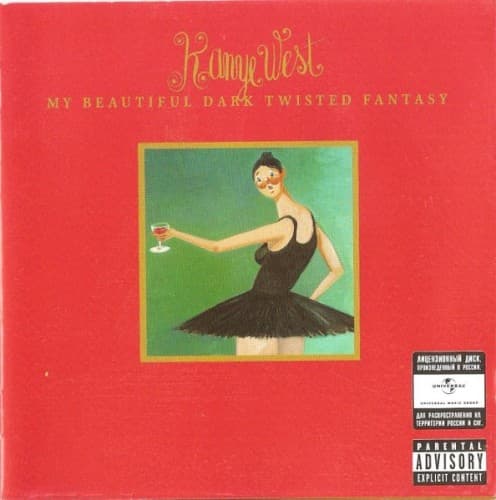
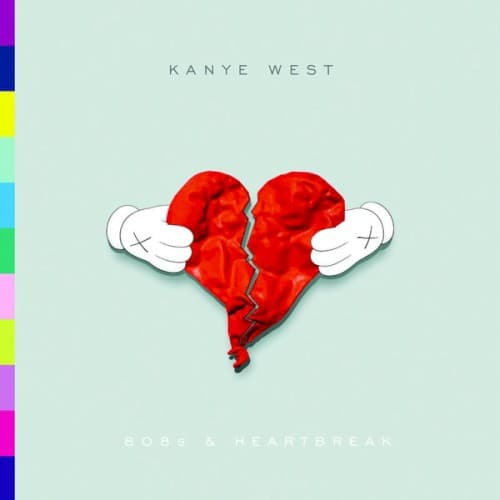
Donda is the weakest of the classic-era West albums and a clear step down from My Beautiful Dark Twisted Fantasy, Yeezus, and the first three records. It is better than Jesus Is King because the production is more varied and the personal writing cuts deeper when it arrives, but it is worse than 808s & Heartbreak, which had a tighter concept and knew when to end. The length and the lack of editing make this the first West album that feels like a data dump rather than a statement. It ranks seventh in his catalog, ahead of only Jesus Is King among the albums covered here. Fans who loved the gospel pivot of Jesus Is King and want a more ambitious, darker version of that sound will find moments worth returning to. Anyone expecting the focus and sequencing of his 2000s run should skip this and go to My Beautiful Dark Twisted Fantasy or Yeezus instead. Casual listeners should start with the strongest three tracks, which show what the album could have been if West had cut it in half. The album has aged poorly: the stadium listening events and the unfinished rollout were part of the spectacle in 2021, but the music does not hold up without that context, and the inclusion of certain controversial guests feels more tasteless with distance. If you want to hear West processing his mother's death and his divorce, the most personal tracks deliver that; if you want the grief without the bloat, listen to 808s & Heartbreak. For the deep fans, the deluxe edition's Life of the Party with André 3000 is worth hearing, but it does not redeem the main album's problems. Donda is a collection of good ideas that needed an editor West was unwilling to hire.
Track Listing
Donda Chant
▲Syleena Johnson chants West's mother's name for fifty-two seconds in a rhythm that fans have theorized matches a heartbeat. It is stark and unsettling, the most purposeful use of minimalism on the album, and it sets a mourning tone the rest of the record cannot maintain.
Jail
▲Jay-Z's verse about marriage and sin, recorded hours before the first listening event, is one of his sharpest guest spots in years, and the fusion of auto-tuned vocals with arena rock guitars gives the track a strange, anxious energy. The industrial percussion that arrives in the final segment shifts the groove just as it threatens to settle. This is the strongest opening stretch West has sequenced since My Beautiful Dark Twisted Fantasy.
God Breathed
▲The abrasive, Yeezus-style industrial sound is a welcome jolt after the restraint of Jail, and the wordless choir outro is one of the few moments where the gospel element feels earned rather than tacked on. West offering redemption and reaffirming his faith works because the production matches the intensity of the claim.
Off the Grid
▲The hardest beat on the album and the best verse West wrote for it. Fivio Foreign and Playboi Carti try to balance faith in themselves with faith in God, but West's closing verse is the revelation: he dubs God his bestie and lays out his religious mission with more focus than he musters anywhere else. The drill production from 30 Roc and Ojivolta—melodically complex bassline, sustained choir—is the only moment where Donda sounds genuinely new rather than like a retread of past ideas.
Hurricane
▲The Weeknd and Lil Baby carry this. The layered organs and processed choir vocals, cut like a sample, give the track a mournful elegance, and West's verse about his breakup with Kim Kardashian is one of the few times he gets specific about the divorce. Lil Baby's performance is more committed than most of the guest spots here. This was the lead single for a reason.
Praise God
▲Baby Keem mixes worship with mosh pit carnality, West connects his issues to God's mysterious behavior, and the vocal sample of Donda West proclaiming that night cannot last forever anchors the song in the album's central grief. The production from 30 Roc, Mike Dean, and Ojivolta keeps the energy high without overplaying the hand.
Jonah
●Vory and Lil Durk open up about losing friends and family while West raps about his relationship with God. The song works as a thematic bridge but does not have a hook or a verse strong enough to justify repeated listens outside the album context.
Ok Ok
▼Lil Yachty boasts about sex while West commands his status, and neither verse fits the gospel framing or the mourning tone of the surrounding tracks. This is filler.
Junya
●A tribute to fashion designer Junya Watanabe, built on a skeletal arrangement of handclaps, organs, and heavy bass. The Drake diss about Certified Lover Boy's delayed release is petty and specific, which makes it one of the more entertaining moments in the back half, but the track is too minimal to carry the idea.
Believe What I Say
▲The hip house and soul production, handled by Dem Jointz, BoogzDaBeast, and FnZ, gives this the closest thing to a classic West bounce on the album. The reminder not to let fame drag him down and the Kardashian reference are surface-level, but the beat and the hook make it one of the more replayable tracks.
24
▲West and the Sunday Service Choir deliver worship over a discordant organ played by Cory Henry. The message of hope in relation to God is earnest, and the song earns its three minutes by staying focused on that single idea.
Remote Control
▼The whistling hook cannot carry three minutes of empty space, and Young Thug's verse about his property does nothing to fill the gap. West's comments on technology and its infiltration of life are too vague to land.
Moon
●Kid Cudi delivers a wistful performance, but the track is underwritten: a hum, some sparse production from E.Vax and DJ Khalil, and not much else. It works as an interlude but was sequenced as a full song.
Heaven and Hell
●West lets out his thoughts on Jeff Bezos, vinyl, and modern culture in a scattered verse that does not add up to a point. The production from 88-Keys and BoogzDaBeast is solid, but the writing is too fragmented to make this more than a decent album track.
Donda
●A vocal sample of Donda West talking about her son being a genius precedes a Christian worship moment from The World Famous Tony Williams. The sample is affecting, but the song around it feels like an unfinished sketch.
Keep My Spirit Alive
▼West claims to be anti-commercial and links his problems with God's behavior, but the verse does not develop the idea. The production from FnZ, Ojivolta, and BoogzDaBeast is skeletal to the point of emptiness.
Jesus Lord
▲The centerpiece of the album and the track that justifies the runtime. West details his transformation, questions whether he will see his mother in heaven, and delivers the most specific and vulnerable writing on the record. Jay Electronica follows with a cryptic, dense verse that rewards close attention, and the song ends with Larry Hoover's son thanking West for advocating to Trump. At nine minutes, it earns every second. Sequencing this at track 17 is one of the worst decisions West made in assembling the album.
New Again
●West searches for salvation and shows awareness of religion's trappings over a hip house beat. The original version featured Chris Brown on the chorus; the updated version replaced him with West and the Sunday Service Choir after Brown leaked his verse and called West a whole hoe. The update weakens the song, and the removal of Brown's verse was a poor musical choice regardless of the personal drama.
Tell the Vision
▼An alternate take on a Pop Smoke song from his posthumous album Faith. It is a brief interlude with no contribution from West and no reason to exist on this tracklist.
Lord I Need You
▲West goes into detail about divorcing Kim Kardashian and begs God to wrap his arms around him in mercy. This is the most direct and affecting song about the divorce on the album, and the vulnerability makes it one of the standouts. The production from BoogzDaBeast, E.Vax, and FnZ supports the emotion without overplaying it.
Pure Souls
▲Roddy Ricch wonders about truth on a strong hook, and West declares there is a new version of him to adapt to. The religious ideas are expressed clearly, and the song works as a late-album restatement of the thesis.
Come to Life
▲The most patient and earned moment on the album. Jeff Bhasker, Mike Dean, and West build a slow swell over five minutes, and West sings about the emotional fallout from the divorce with more clarity and less deflection than anywhere else. This should have been the closer.
No Child Left Behind
▲The Sunday Service Choir delivers a message of hope and salvation, and the production from Gesaffelstein and BoogzDaBeast is warm and uplifting. This is the natural ending point for the album, and everything after it feels like an error.
Jail, Pt. 2
▼The same track as Jail, but with Jay-Z replaced by DaBaby and Marilyn Manson in a transparent attempt at controversy. Neither guest adds anything musically, and the inclusion of Manson, who faced sexual abuse allegations, generated backlash that overshadowed the album's rollout. This is the clearest example of West's refusal to edit himself.
Ok Ok, Pt. 2
▼The same track as Ok Ok with minimal changes. There is no reason for this to exist.
Junya, Pt. 2
▼Adds Ty Dolla Sign to the original Junya. The contribution does not justify the extra runtime.
Jesus Lord, Pt. 2
▼Extends Jesus Lord by three minutes with no new verses or ideas, just a longer runtime. The original was already nine minutes. This is self-indulgence.