Scorecard: 8.2/10 · Great
How we score- Writing(25%)
- 8.0
Lamar's pen remains sharp on 'Heart Pt. 6' and 'Gloria,' but much of GNX favors chest-beating over the thematic depth of his earlier work.
- Production(25%)
- 9.0
Sounwave and Antonoff craft a refined West Coast sound that swings from G-funk ('Dodger Blue') to skeletal bounce ('Peekaboo') without losing coherence.
- Delivery(15%)
- 8.5
'Squabble Up' showcases myriad voices and octave shifts that channel Drakeo the Ruler's energy; the performance stays animated even when the subject matter thins.
- Cohesion(15%)
- 8.0
At 44 minutes, the album flows cleanly from 'wacced out murals' through 'gloria,' though the middle stretch of features dilutes focus.
- Originality(10%)
- 7.0
GNX reimagines West Coast tradition with taste but borrows heavily from Tupac's 'Made Niggaz' and G-funk blueprints without adding much new architecture.
- Replay value(10%)
- 7.5
The refined production and shorter runtime invite repeat listens, though the victory-lap stance and brand-heavy bars wear thin faster than the denser albums in his catalog.
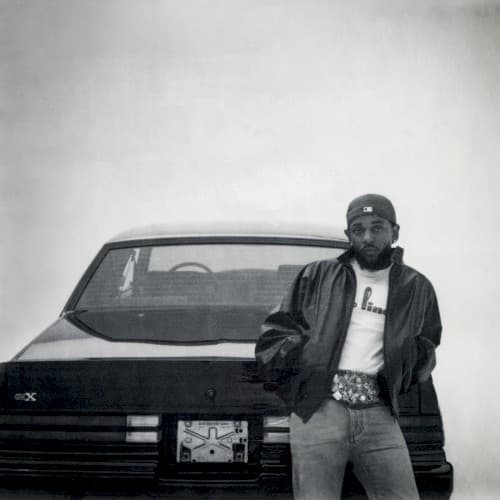
Kendrick Lamar GNX — What Winning Sounds Like When the War Is Over
GNX opens with the sound of a man who has already won. On the first track, Lamar addresses the backlash to his Super Bowl announcement, name-checks Nas and Snoop, and swats at the noise with the calm of someone who knows the argument is settled. By the time Deyra Barrera's voice fades in on the closing track, the album has circled a single claim: Lamar is the cultural center of West Coast rap in 2024, and GNX is both the proof and the reward. The thesis is stated plainly and early, and the album spends 44 minutes making it audible.
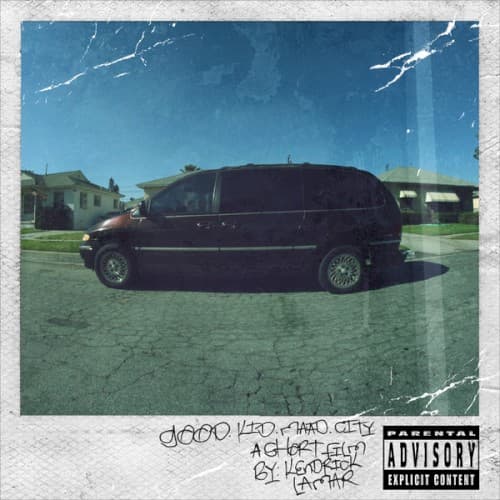
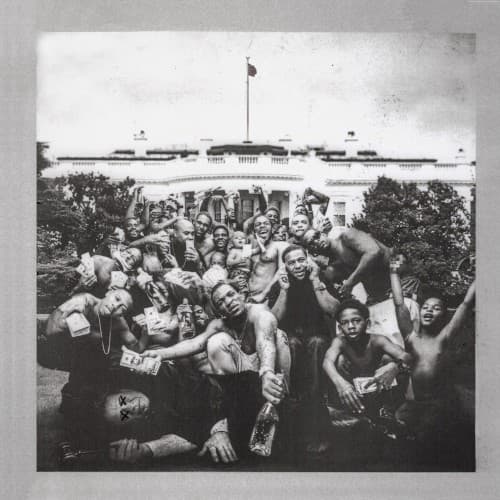
The stakes are lower than they have ever been for a Kendrick Lamar album. After the public dismantling of Drake across five singles, GNX arrives not as a challenge or a reckoning but as a victory lap. It is the first album since his departure from Top Dawg Entertainment and Aftermath, the first released entirely through his own PGLang imprint, and the shortest studio project of his career. Where good kid, m.A.A.d city wrestled with survival and To Pimp a Butterfly with legacy, GNX wrestles with very little. It is a West Coast tribute record made by the artist who can claim that region more confidently than anyone else alive, and it sounds like a man settling into that position rather than fighting for it. The question is whether that comfort zone still produces work worth the catalog it now sits beside.
The Sound of Los Angeles, Polished Until It Shines
GNX is a West Coast hip-hop album in both the classic and contemporary sense, drawing on G-funk, bounce, and skeletal modern LA production without leaning too hard on any single tradition. Sounwave and Jack Antonoff handle most of the work, with Mustard, Kamasi Washington, and Sean Momberger filling in specific textures. The result is a sound that feels both regional and refined, grounded in Los Angeles but mixed for the widest possible audience. The production on 'Dodger Blue' is pure G-funk homage, thick with synth and laid-back groove, while 'Peekaboo' strips the beat down to skeletal percussion and bouncy bass. 'TV Off' swings between clipped strings and Viking-berserker horns, with Mustard's tag becoming an internet meme after Lamar screams it mid-track. The range is impressive, and the sequencing keeps the shifts from feeling random.
Lamar's writing on GNX is technically sharp but thematically narrow. 'Gloria' is the album's clearest heir to his earlier concept work, personifying his pen in a way that recalls Common's 'I Used to Love H.E.R.' and Nas's 'I Gave You Power.' 'Heart Pt. 6' recounts his history with Top Dawg Entertainment and Black Hippy, acknowledging his role in the group's collapse due to creative differences. The specificity is welcome, and the confessional tone stands out against the rest of the album. But much of GNX is chest-beating: Lamar declaring that he deserves it all on 'man at the garden,' questioning who put the West back in front on 'gnx,' and addressing the Super Bowl backlash on 'wacced out murals.' The bars are well-constructed, but they circle the same claim without deepening it. The Drake feud looms over the project even though no diss tracks appear, and the sentiment feels less like unfinished business than a posture Lamar is not quite ready to drop.
The delivery is the album's most consistent strength. Lamar's performance on 'squabble up' features myriad voices, octave changes, and shrieks that sound like he is on the edge of losing control, channeling the energy of the late Drakeo the Ruler. The aggression carries over to 'peekaboo,' where his flow stays animated even as the production thins out. 'luther' is the album's tenderness, with SZA adding warmth to a track built around a Luther Vandross sample of Marvin Gaye's 'If This World Were Mine.' The vocal chemistry between Lamar and SZA is immediate, and the track's vision of a better future for loved ones offers a brief reprieve from the braggadocio that dominates the rest of the album.
The guest verses are a mixed bag. Roddy Ricch, Wallie the Sensei, and Siete7x contribute to 'Dodger Blue' without adding much beyond regional flavor. Lefty Gunplay holds his own on 'TV Off,' but the LA rappers on 'gnx'—Peysoh, Hitta J3, YoungThreat—are given a highlight track where Lamar only provides the hook. It is a generous move, but it also means one of the twelve tracks is essentially a posse cut where the headliner does not rap. The choice speaks to Lamar's confidence in his position, but it also thins the album's focus.
The production is immaculate, the delivery is sharp, and the regional pride is earned. The weakness is that GNX rarely risks anything. 'Reincarnated' samples Tupac's 'Made Niggaz' and presents Lamar in the perspectives of John Lee Hooker and Billie Holiday before transitioning to a conversation with God, but the concept is more ambitious than the execution. The album's cleanest, most synthetic sound—praised by some critics, noted as a retreat by others—keeps everything polished to the point where rough edges would have been welcome. Where To Pimp a Butterfly and good kid, m.A.A.d city wrestled with questions they could not fully answer, GNX knows exactly what it wants to say and says it efficiently. The trade-off is that it never surprises.
Forty-Four Minutes of Flow, With No Time Wasted
At 44 minutes, GNX is the shortest studio album in Lamar's catalog, and the brevity is one of its strengths. The album moves cleanly from the confrontational opening through the pen-as-muse meditation of the closer without sagging or losing momentum. The sequencing is deliberate: stretches of aggression are broken up by moments of tenderness, and G-funk nostalgia arrives just as the middle section of features threatens to dilute the focus. The pacing is tight, and the lack of obvious filler is a welcome departure from the bloat that has crept into rap albums in the streaming era.
The album peaks early. The opening three tracks establish the range of the record in the first ten minutes, and nothing that follows quite matches that initial run. The middle stretch is solid but feels like a plateau rather than a build.
The back half features bounce music elements and possible Drake allusions, though the energy dips lower than the tracks around it. One cut is built around a Mustard tag and horn-heavy production, and it works as a single, but it does not deepen the album's argument. The final three tracks provide the album's most satisfying close. The only real misstep is a posse cut where Lamar barely raps, and its placement near the end disrupts the flow without adding much.
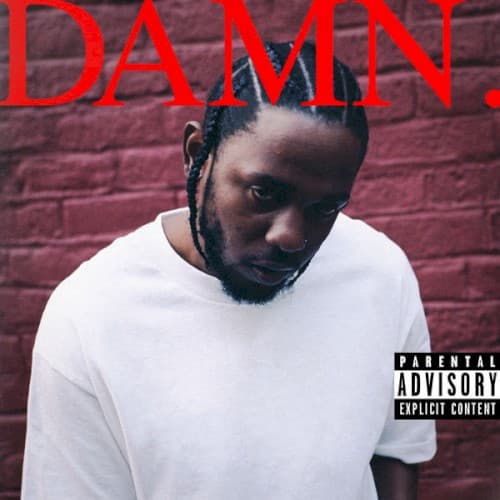
The length is earned. GNX does not overstay its welcome, and the tighter runtime makes it easier to return to than DAMN. or Mr. Morale & the Big Steppers. The trade-off is that the album feels smaller in scope, more focused on sound and performance than on the thematic weight that defined his previous work. It is a deliberate choice, and it results in an album that flows well on repeat but does not demand the kind of sustained attention that his best records require.
Where It Lands in the Catalog, and Who It Is For
GNX is the fourth-best album in Kendrick Lamar's catalog, behind good kid, m.A.A.d city, To Pimp a Butterfly, and DAMN. It is a more cohesive and immediate listen than Mr. Morale & the Big Steppers, but it lacks the thematic ambition and risk that made those earlier albums essential. The production is immaculate, the delivery is sharp, and the 44-minute runtime is tight enough to invite repeat listens without wearing out its welcome. The weakness is that GNX is a victory lap, and victory laps are not where Lamar does his most interesting work. The album is built around a single claim—that Lamar is the cultural center of West Coast rap in 2024—and it makes that claim convincingly. But the claim itself is not in dispute, and the album spends most of its time restating what the Drake feud and the Super Bowl announcement already proved.
GNX is for fans who want to hear Lamar in full control of his region and his sound, who value polish and performance over provocation. It is not for listeners who come to Lamar for the dense, uncomfortable introspection of To Pimp a Butterfly or the narrative specificity of good kid, m.A.A.d city. The album sounds great, and it will age well as a document of a moment when Lamar had nothing left to prove. The question is whether that lack of stakes makes it less essential than the work he did when he still had something to fight for.
Start with 'luther,' 'squabble up,' and 'gloria' to hear the album's range. If the refined West Coast sound and Lamar's confident delivery are enough, the rest of the album delivers more of the same. If you are looking for the thematic weight of his best work, this is not where to find it. For a sharper, hungrier Kendrick Lamar, go back to good kid, m.A.A.d city. For a more conceptually ambitious project, listen to To Pimp a Butterfly. GNX is a well-made album by an artist at the top of his game, but it is not the album that redefines what that game can be.
Track Listing
wacced out murals
▲The album opens with Lamar addressing the backlash to his Super Bowl LIX halftime show announcement, swatting at critics with the calm of someone who knows the argument is already settled. He name-drops Nas, Snoop Dogg, and Lil Wayne, positioning himself as the rightful heir to the West Coast throne. Deyra Barrera's voice opens the track, setting the tone for an album that frames Lamar as both a cultural force and a regional ambassador. The production from Sounwave, Antonoff, and Dahi is layered and confrontational, matching the energy of the lyrics. The track establishes the thesis clearly: Lamar has won, and GNX is the victory lap. It is one of the album's strongest moments, fiery and specific in a way that much of the rest of the record is not.
squabble up
▲Lamar's performance here is unhinged in the best way, featuring myriad voices, octave shifts, and shrieks that sound like he is on the edge of losing control. The delivery channels the energy of the late Drakeo the Ruler, and the chaotic vocal performance is matched by production from Sounwave, Antonoff, and Lamar himself. The track samples Debbie Deb's 'When I Hear Music,' and the result is a jittery, aggressive highlight that showcases Lamar's range as a performer. It became a number-one single on the Billboard Hot 100, and the energy here justifies the commercial success. The track is short at two and a half minutes, but it does not need to be longer.
luther
▲The album's tenderest moment, 'luther' features SZA and is built around a prominent Luther Vandross sample of Marvin Gaye's 'If This World Were Mine.' Lamar raps about imagining a better future for loved ones, and the warmth of the vocal chemistry between him and SZA is immediate. The production from Sounwave, Antonoff, Bridgeway, Kamasi Washington, and M-Tech is lush and expansive, giving the track room to breathe. It became a number-one single and won Record of the Year and Best Melodic Rap Performance at the 68th Grammy Awards. The track offers a brief reprieve from the chest-beating that dominates the rest of the album, and it is one of the few moments where Lamar sounds vulnerable rather than victorious.
man at the garden
●Lamar recounts the trials and tribulations of his career, repeatedly declaring that he deserves it all. The track interpolates Nas's 'One Mic,' and the production from Sounwave, Antonoff, Balmoris, Reese, and M-Tech is muscular and insistent. The lyrics are well-constructed, but the track circles the same claim without deepening it. It is a solid performance, but it does not add much to the album's argument. The track works as a statement of confidence, but it lacks the specificity that makes 'wacced out murals' or 'Heart Pt. 6' more compelling.
hey now
●Featuring Dody6, 'hey now' incorporates elements of bounce music and includes multiple lines that may allude to Lamar's feud with Drake. The track interpolates D4L's 'Scotty,' and the production from Sounwave, Antonoff, and Mustard is lighter than the tracks around it. The energy is lower, and the feature does not add much beyond regional flavor. It is a competent track, but it feels like a plateau in the album's pacing rather than a peak.
reincarnated
●Built around a sample of Tupac Shakur's 'Made Niggaz,' 'reincarnated' sees Lamar presenting himself in the perspectives of musicians John Lee Hooker and Billie Holiday before transitioning to a conversation with God. Deyra Barrera's voice returns here, adding emotional weight to the production from Sounwave, Antonoff, Lamar, M-Tech, and Ehler. The concept is ambitious, but the execution does not quite match the idea. The track feels more like a sketch of a larger concept than a fully realized piece. It is interesting, but it does not rank among the album's strongest moments.
tv off
▲Featuring Lefty Gunplay, 'tv off' is built around clipped strings that dissolve into Viking-berserker horns halfway through. As the second part fades in, Lamar screams Mustard's name in a moment that has since become an internet meme. The production from Sounwave, Antonoff, Mustard, Kamasi Washington, Sean Momberger, and Larry Jayy is aggressive and cinematic, and the track became a number-two hit on the Billboard Hot 100. It won Best Rap Song at the 68th Grammy Awards. Lefty Gunplay holds his own on the feature, and the track works as a single. It is a strong moment, though it does not deepen the album's argument as much as it restates it.
dodger blue
▲A tribute to Los Angeles culture, 'dodger blue' is pure G-funk, thick with synth and laid-back groove. Wallie the Sensei, Siete7x, and Roddy Ricch contribute features, but the track is more about the production than the performances. Sounwave, Antonoff, Tane Runo, Maxey, and Terrace Martin craft a sound that recalls the West Coast's golden era without feeling like a nostalgia exercise. At just over two minutes, the track is short and focused, and it serves as a palette cleanser after the aggression of 'tv off.' It is solid regional work, but the features do not add much beyond flavor.
peekaboo
▲Featuring AzChike, 'peekaboo' is built on skeletal but bouncy production from Sounwave, Bridgeway, and Sean Momberger. Lamar's lyrics are layered in eccentric wit and convincing menace, and the delivery stays animated even as the beat thins out. The track samples Little Beaver's 'Give a Helping Hand' and Grille-Chemand's 'Blue Revery,' and the result is one of the album's most stripped-down moments. AzChike's feature is competent but does not stand out. The track works as a showcase for Lamar's performance, and the energy here is a welcome contrast to the lushness of tracks like 'luther.'
heart, pt. 6
▲Lamar recounts his history with Top Dawg Entertainment and the supergroup Black Hippy, acknowledging his role in the group's collapse due to creative differences. The track is an implicit rejoinder to Drake's diss track of the same name, which itself borrowed from Lamar's 'The Heart' song series. The production from Sounwave, Antonoff, M-Tech, and Juju the Fool samples SWV's 'Use Your Heart,' and the result is one of the album's most reflective moments. The specificity is welcome, and the confessional tone stands out against the chest-beating that dominates much of the album. It is a strong track, and it sets up the final two songs well.
gnx
●The title track is a posse cut featuring Hitta J3, YoungThreat, and Peysoh. Lamar does not have a verse, instead providing a hook that questions who put the West back in front. The track is generous to the LA rappers featured, but it also means one of the twelve tracks on the album is essentially a showcase where the headliner does not rap. The production from Sounwave, Antonoff, Kenny & Billy, Rascal, and Maxey is solid, but the track disrupts the album's flow without adding much to its argument. It is the album's only real misstep.
gloria
▲The album closes with Lamar discussing his relationship with his personified pen in an ode to writing music. The track recalls Common's 'I Used to Love H.E.R.' and Nas's 'I Gave You Power,' and it is the album's clearest heir to Lamar's earlier concept work. SZA returns for the feature, and Deyra Barrera's voice bookends the album. The production from Sounwave, Antonoff, and Deats is lush and reflective, and the track samples Combo Impacto's 'Amarga Tristeza.' It is a strong closer, and it provides the thematic weight that much of the rest of the album lacks. The pen-as-muse metaphor is well-executed, and the track serves as a reminder of what Lamar can do when he is working with a concept rather than simply stating his dominance.