Kendrick Lamar good kid, m.A.A.d city — The Night He Survived
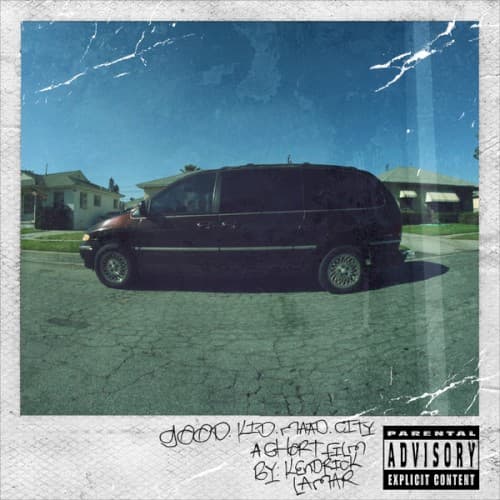
Most rappers tell their origin story looking back from the penthouse. Kendrick told his from the backseat of a van circling Compton at two in the morning, windows cracked, friends arguing over whether to run or stay. He built an entire album around one question: how do you survive your neighborhood when surviving means watching everyone you love make choices that could kill them?
This was not a victory lap. This was a confession recorded in real time, before anyone knew if he would make it out.
West Coast rap in the early 2010s was stuck. The gangsta era felt like cosplay. Hyphy had faded. Blog rap ruled the coasts, but none of it sounded like California.
Labels wanted the next Drake, the next Kanye, the next anything except what the West Coast actually was. Then came this kid from Compton with a seventy-eight-minute film script disguised as a rap album, and he reset the entire region's clock.
The editorial angle here is simple: this is the most complete album any West Coast rapper has ever made. Not the hardest, not the most influential, not the best-selling. The most complete.
Every song serves the story. Every skit connects. Every production choice reinforces the narrative. Nothing is wasted.
Pac never did this. Dre never did this. Snoop, Cube, Game, none of them constructed something this airtight. Kendrick made a concept album that actually worked as a concept album, and he did it without sacrificing a single banger in the process.
The Sound of Compton With the Windows Up
The production here does not sound like anything else from 2012. It does not chase radio trends or mimic the South. It pulls from seventies soul, nineties G-funk, and chopped-up jazz loops, but it refuses to feel retro.
Producers like Just Blaze, Hit-Boy, Pharrell, Scoop DeVille, and Sounwave built beats that sound expensive and desperate at the same time, polished but paranoid. The drums knock hard enough for the car but never overpower the story. The basslines hit low and patient. The samples breathe.
Kendrick's voice shifts across the album like he is playing five different characters, which he is. He raps in his natural register, then jumps into a nasal whine, then drops into a monotone deadpan, then screams until his throat cracks. He treats his voice like an instrument, not a brand.
Most rappers lock into one flow and ride it for an entire album. Kendrick changes cadences every sixteen bars like he is testing how many versions of himself he can fit into one project. How many rappers could pull that off without losing the thread?
Lyrically, this is a coming-of-age story about a teenager trying not to become a statistic. He raps about peer pressure, alcoholism, lust, violence, faith, and survival, but he never preaches. He just shows you what happened.
The writing is confessional without being sentimental, detailed without being preachy. He names streets, names people, names specific nights. You can map the entire album onto a Thomas Guide from 2011.
The flaw is the runtime.
Seventy-eight minutes is too long for any album, no matter how good the songs are. By the time the back half arrives, the momentum starts to drag. A tighter edit would have made this untouchable. As it stands, it is just close to perfect.
The Long Drive Home
The sequencing here is flawless. The album moves like a night out in Compton, starting with teenage lust and ending with a prayer in a church parking lot. The first stretch establishes Kendrick as a kid trying to lose his virginity while his friends smoke and scheme in the background.
The pacing is deliberate, almost visual. You feel the tension building before anything bad happens.
The middle section is where the violence enters. The mood shifts from anticipation to paranoia, from confidence to survival mode. The production gets darker. The skits get longer.
Kendrick's voice gets more frantic. You are not listening to an album anymore. You are watching a movie.
The back half slows down and gets introspective. The energy drains out. The adrenaline wears off. What is left is guilt, exhaustion, and the realization that this night could have ended in a casket.
The sequencing mirrors the emotional arc perfectly. By the time the album closes, you feel like you just lived through something.
This is not an album you shuffle. It is not an album you skip around. You press play on track one and let it run until the prayer at the end. Any other way and you miss the entire point.
The Album That Made Him Untouchable
This is the second-best album Kendrick ever made, and the best one he could have made at twenty-five. It sits right behind To Pimp a Butterfly in his catalog, but it is the one that proved he could do this at all. Before this, he was a promising kid with a great mixtape. After this, he was the best rapper alive and nobody could argue otherwise.
Who should listen: anyone who thinks concept albums do not work, anyone who thinks West Coast rap peaked in the nineties, anyone who wants to hear what happens when a rapper treats an album like a novel. Who might not enjoy it: people who need bangers front to back, people who think seventy-eight minutes is too much commitment, people who want punchlines over storytelling.
How it aged: better than almost anything from the 2010s. The production still sounds modern. The writing still feels urgent. The narrative still holds weight.
Standout tracks to try: start with Money Trees, then m.A.A.d city, then Sing About Me. If those three grab you, run the whole thing. Similar albums: Nas Illmatic, The Notorious B.I.G. Ready to Die, Kanye West The College Dropout.
Long-term influence: every concept album released after this one has to compete with it. Kendrick set the bar so high that most rappers stopped trying.
He made an album about surviving Compton, and somehow it became the album that saved West Coast rap.
Track Listing
Sherane a.k.a. Master Splinter's Daughter
▲The album opens with teenage lust and bad decisions. Hit-Boy's production is minimal, just bass and sparse drums, giving Kendrick room to set the scene. He is seventeen, borrowing his mom's van, driving to meet a girl, lying about his age. The hook is sung, not rapped, and it sounds like a prayer mixed with regret. The storytelling is so specific you can picture every detail: the van, the street, the lies he tells himself. By the end of the track, you know this night will not end well. The skits bookend the narrative, with his friends in the background already setting up the trouble that is coming. This is scene-setting at its best, patient and deliberate, no rush to get to the hook.
Bitch, Don't Kill My Vibe
▲I heard this at a house party in Oakland the week it dropped, and the entire room went silent during the second verse. That never happens at house parties. Sounwave's production floats, all Rhodes keys and reverb-soaked drums, creating space for Kendrick to reflect on fame, pressure, and people trying to drain his energy. His flow is conversational, almost meditative, but the writing is sharp. He is not rapping at you. He is thinking out loud. The hook is hypnotic, repetitive in the best way, and it locks into your brain for days. The bridge where the beat strips down to just keys and his voice is one of the most beautiful moments on the entire album. This is the song where Kendrick proved he could do more than just rap fast and tell stories. He could create a mood.
Backseat Freestyle
▲Hit-Boy flips a simple bassline and drum pattern into one of the hardest beats on the album. Kendrick raps like a sixteen-year-old freestyling in the backseat, all bravado and no filter. The writing is intentionally immature, full of exaggerated flexes and empty threats, because that is exactly who the character is in this moment. This is not Kendrick the conscious rapper. This is Kendrick the kid trying to impress his friends. The hook is repetitive and abrasive, but that is the point. The entire track is a performance of teenage masculinity, all front and no substance. Some critics dismissed this as a throwaway banger, but it is essential to the narrative. You need to hear who he was before you understand who he becomes.
The Art of Peer Pressure
▲This is the best storytelling on the album, maybe the best storytelling Kendrick has ever done. Tabu's production is cold and minimal, just synth stabs and a slow creeping bassline. Kendrick raps in first person, describing a night where he and his friends break into houses and rob people, even though he does not want to. The writing is so vivid you feel like you are in the car with them. He describes the adrenaline, the fear, the stupid jokes they make to calm their nerves. The third verse where everything goes wrong is some of the most tense writing in hip-hop history. No gun sounds, no screaming, just Kendrick's voice getting quieter as the situation spirals. By the end, you understand exactly how good kids get caught up in bad situations. This is the track that separates Kendrick from every other rapper in his generation.
Money Trees
▲I played this on repeat for six months straight in 2013, windows down, driving through East Oakland at dusk. It never got old. DJ Dahi's production is perfect, built around a flipped Beach House sample that sounds like nostalgia and regret mixed together. Kendrick and Jay Rock trade verses about chasing money and watching friends die trying to get it. The hook, sung by Anna Wise, floats over the beat like a ghost. Kendrick's flow on the second verse is effortless, every line perfectly placed, every word exactly where it needs to be. Jay Rock's verse is a masterclass in economy, saying more in sixteen bars than most rappers say in entire albums. The bridge where Kendrick repeats "ya bish" over and over should not work, but it does. This is the song that still gets played at every function, every cookout, every late-night drive. It has not aged a day.
Poetic Justice
●The Janet Jackson sample is obvious, but it works. Scoop DeVille flips "Any Time, Any Place" into a slow-burning West Coast groove. Kendrick raps about a toxic relationship, mixing lust with frustration. Drake's verse fits perfectly, playing the role of the smooth-talking friend who always has advice but never follows it himself. The chemistry between the two rappers is natural, not forced. The hook is simple and repetitive, but it sticks. The writing is less detailed than the rest of the album, more vibe than narrative, but it serves as a breather between the heavier tracks. Some fans skip this one, but that is a mistake. It is a necessary shift in tone.
good kid
▲Pharrell's production is gorgeous, built around a chopped-up soul sample and live drums that knock without overpowering the vocals. MC Eiht's hook is one of the best on the album, sung with the weariness of someone who has seen too many good kids go bad. Kendrick raps about trying to stay out of trouble while everyone around him gets pulled deeper into the streets. The second verse where he describes his parents fighting is brutal and honest. The bridge where he repeats "I recognize all of you" is haunting. This is the turning point in the narrative, the moment where Kendrick realizes he has to choose between his friends and his future. The writing is sharp and the pacing is perfect. No wasted bars.
m.A.A.d city
▲The hardest track on the album, maybe the hardest track Kendrick has ever made. Sounwave and THC flip a menacing synth loop into a West Coast banger that sounds like it could have come out in 1995 but still hits in 2025. Kendrick raps with a fury that is missing from the rest of the album, his voice cracking with rage and desperation. MC Eiht's verse is flawless, delivering the kind of veteran wisdom that only comes from living through what Kendrick is rapping about. The beat switch in the second half is devastating, turning the track into a full-blown sprint. The production gets louder, the drums get harder, and Kendrick's flow gets faster. By the time the gunshots ring out at the end, you feel like you just survived something. This is the track that gets played at every Kendrick show, and the crowd loses their minds every single time.
Swimming Pools (Drank) [Extended Version]
●The radio version of this song made it sound like a party anthem, but the extended version reveals the truth: this is an anti-drinking song disguised as a club banger. T-Minus' production is hypnotic, built around a simple synth loop and heavy 808s. Kendrick raps about alcoholism, peer pressure, and watching his family destroy themselves with liquor. The hook is deceptive, sounding celebratory until you listen to the verses. The extended version includes an extra verse and a longer outro that makes the narrative even darker. Some fans argue this is the weakest track on the album because it got overplayed on the radio, but that is not the song's fault. The writing is sharp and the production holds up. It just suffered from success.
Sing About Me, I'm Dying of Thirst
▲The best song on the album. Twelve minutes long and not a single second is wasted. Sounwave's production is bare, just piano and drums, giving Kendrick space to deliver three of the best verses of his career. The first verse is told from the perspective of a friend's brother who is about to get killed. The second verse is told from the perspective of a sex worker who blames Kendrick for glorifying her sister's death on Section.80. The third verse is Kendrick reflecting on his own mortality and legacy. The writing is devastating, honest, and unflinching. The transition into "I'm Dying of Thirst" is seamless, with Kendrick and his friends sitting in a van after the violence, exhausted and broken. The woman who prays over them at the end is Kendrick's mother, and her words feel like the only thing keeping them alive. This is the emotional climax of the entire album. If you skip this track, you missed the whole point.
Real
●The weakest track on the album, but still solid. Sounwave's production is smooth and jazzy, with a sung hook that feels more like an outro than a standalone song. Kendrick raps about the difference between being real and looking real, calling out fake friends and fake gangsters. Anna Wise's vocals on the hook are beautiful but repetitive. The verses are strong, but they do not hit as hard as the rest of the album. This track feels like a cool-down after the intensity of "Sing About Me," and it works in that context. As a standalone song, it is forgettable. As part of the album's narrative, it is necessary.
Compton
▲Dr. Dre's only production credit on the album, and he makes it count. The beat is a smooth West Coast bounce, all synths and bass, with Just Blaze adding extra polish. Kendrick raps about his love for Compton, name-dropping streets and landmarks, claiming the city as his own. The hook is triumphant, and the verses are confident without being arrogant. This is the victory lap, the moment where Kendrick finally makes it out of the van and looks back at everything he survived. The album ends with his mother calling him, asking where the van is, and Kendrick laughing. It is a perfect ending, grounded and human, reminding you that this entire epic journey started with a kid borrowing his mom's car to meet a girl. Everything comes full circle.