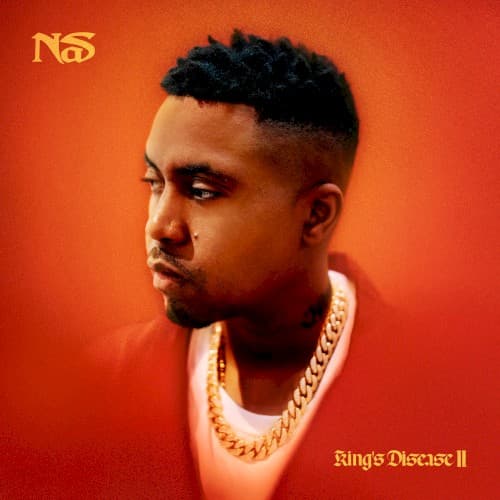
Nas King's Disease II — The Victory Lap Nobody Expected
Remove this album from the timeline and half the industry conversation about legacy rappers collapses. The narrative around veteran MCs changed entirely in 2021, and this is the record that bent the conversation. Nas was supposed to be coasting. He was supposed to be the nostalgia act who gave you three solid tracks per album and a lot of filler.
Instead he delivered a sequel that outpaced its predecessor and proved something most critics refused to believe — that a fifty-year-old rapper could make vital hip-hop without chasing youth or relying on gimmicks. This is not a comeback album. Comebacks imply you were gone. Nas never left, but for the first time in over a decade, the culture finally stopped pretending he was irrelevant.
The Hit-Boy partnership became the most important producer-MC relationship in modern hip-hop, and King's Disease II is the moment that collaboration reached its full stride. It arrived at a cultural crossroads when streaming had fragmented hip-hop into a thousand subgenres and legacy acts were either pandering to TikTok or fading into podcast circuits. Nas chose a third option: make the best album of his second act and let everyone else catch up. The Mass Appeal release felt inevitable, like watching someone reclaim territory they never really lost.
What does it mean when a fifty-year-old rapper outworks everyone half his age?
The Sound of a Man Who Stopped Apologizing
Hit-Boy built a sound that belongs entirely to this era of Nas. Soul loops without being derivative. Drums that knock without overpowering the bars. He understands that Nas operates best when the production stays out of his way but still provides emotional texture.
The palette here pulls from seventies soul, east coast boom bap, and just enough modern trap influence to remind you this dropped in 2021, not 1996. The keys shimmer, the bass sits low in the mix, and nothing feels overproduced. Nas sounds comfortable, which is the most dangerous version of him. His flow shifts between conversational storytelling and technical precision depending on the track.
He is not trying to prove he can still rap — that argument ended a long time ago.
Instead he focuses on perspective, the kind of wisdom that only comes from watching three decades of hip-hop evolution while remaining active through all of it. The writing covers mortality, legacy, family, wealth and the cost of fame without ever feeling preachy. When he reflects on age it never sounds defensive. It sounds earned.
The album falters slightly when it leans too hard into victory lap mode. A few tracks feel like Nas is restating arguments he already won on the first King's Disease. The sequencing occasionally stalls when slower tempos cluster together in the middle stretch. The production consistency across fifteen tracks is impressive, though a few beats start to blend together if you listen front to back without breaks.
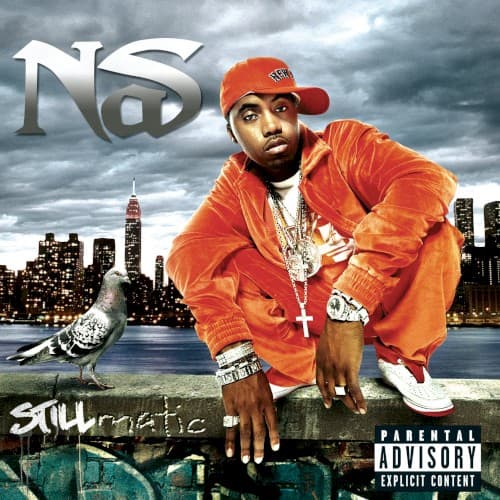
Is this the tightest Nas album since Stillmatic?
The Architecture of Staying Power
The album moves like a long conversation with someone who has nothing left to prove but plenty left to say. The opening stretch establishes dominance without aggression. Nas wastes no time reminding you why he belongs in every greatest-rapper conversation, but he does it with ease, not desperation. The pacing pulls back slightly in the middle section, trading momentum for introspection.
This is where the album breathes, where Nas steps out of competitive mode and into storyteller mode. The shift works because the production never loses its thread. Hit-Boy maintains a sonic through line even when the subject matter diversifies. The back half picks up energy again without feeling forced.
The final run of tracks functions as both a closing argument and an opening statement for whatever comes next. Nas ends the album stronger than he started it, which is rare for a fifteen-track project. The sequencing understands that not every moment needs to be a highlight. Some tracks exist to create space, to let the bigger moments land harder.
That restraint is what separates this from bloated legacy albums that try to justify every collaboration and every tangent.
Where It Stands When the Dust Settles
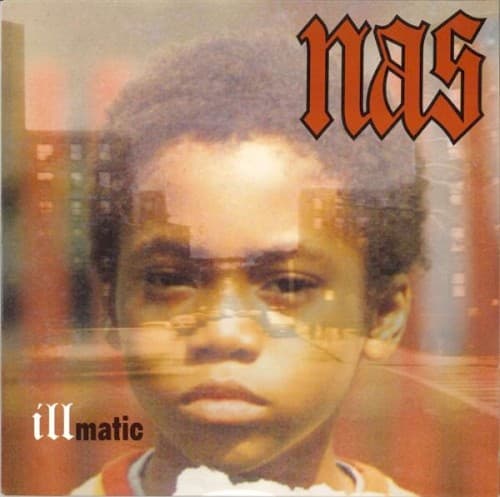
King's Disease II sits comfortably in the top half of Nas discography, which means it is better than most rappers will ever achieve. It is not Illmatic, but nothing will ever be Illmatic again. It is by some measure better than King's Disease, tighter than Life Is Good, and more consistent than anything he dropped between 2006 and 2018. The album works for longtime Nas fans who have been waiting for him to lock in with a single producer and for newer listeners who want to understand why this man still commands respect.
The Hit-Boy production ensures the album ages well — nothing here sounds like it is chasing trends that will expire in six months. Casual fans should start with EPMD 2 or Rare to understand the range. Fans of boom bap revivalism will find plenty to love. Listeners who need constant tempo shifts might struggle with the album's measured pace.
The standout discovery is that Nas still has new things to say about old subjects, which is harder than it sounds. Similar albums worth exploring include The Alchemist's work with Boldy James, particularly The Price of Tea in China, Benny the Butcher's Burden of Proof, and Freddie Gibbs and Madlib's Bandana for that producer-rapper synergy. Long-term influence is already visible — this album validated the idea that legacy rappers do not need to sound desperate to stay relevant. Five years from now this will be remembered as the moment Nas fully reclaimed his narrative.
Track Listing
The Pressure
▲A statement of intent that wastes no time. Hit-Boy lays down a soul loop with just enough grit to remind you where Nas came from, and Nas responds with the kind of writing that sounds effortless but reveals layers on repeat listens. He addresses expectations, age, competition and legacy without breaking a sweat. The flow switches between conversational and technical, showing range without showing off. This is how you open a sequel — by proving the first one was not a fluke. The production stays minimal, letting the bars carry the weight. No wasted motion, no filler, just forty-plus years of experience condensed into three minutes.
Death Row East
▲The concept alone justifies the track. Nas imagines an alternate timeline where Death Row Records had an East Coast division and positions himself as the flagship artist. The production channels nineties West Coast g-funk while maintaining an East Coast lyrical sensibility, creating a sound that should not work but does. Nas raps like he is rewriting history in real time, name-checking figures and moments with the confidence of someone who lived through the era. The hook is simple but effective, and the beat rides that perfect line between nostalgic and fresh. This is the kind of creative concept that separates good albums from great ones.
40 Side
▲A.Z. shows up and reminds everyone why The Firm should have been better than it was. The chemistry between these two is still effortless, decades after "Life's a Bitch." Hit-Boy builds a beat that feels like a continuation of that Illmatic energy without copying it. Both MCs trade verses that balance street narratives with luxury rap, and neither sounds like they are trying too hard. The production has just enough space for both voices to shine without competing. This is the kind of posse cut that works because everyone involved understands their role. The track feels like a reunion without the awkwardness that usually accompanies nostalgia.
EPMD 2
▲Eminem and EPMD join Nas on a sequel to a song that did not need a sequel but somehow earned one anyway. The energy here is pure competitive rap — four MCs trading technical showcases over a loop that samples the original's DNA. Eminem delivers one of his sharpest guest verses in years, staying focused and avoiding the punchline overload that sometimes derails his features. EPMD sounds locked in, and Nas holds his own against everyone without forcing it. The beat knocks hard enough to carry the weight of four distinct voices. This is the album's biggest moment in terms of star power, and everyone rises to the occasion. The only flaw is that the track runs slightly long, but when the bars are this sharp, it is hard to complain.
Rare
▲A victory lap disguised as a meditation on excellence. Nas reflects on his place in hip-hop history without sounding arrogant, which is a difficult balance to strike. The production is lush, built around a soul sample that feels warm and expensive. He name-drops peers, predecessors and cultural moments with the ease of someone who has nothing left to prove. The writing here is some of the sharpest on the album — every bar feels intentional, every reference earned. The hook is minimal but effective, letting the verses do the heavy lifting. This is the kind of track that grows on you, revealing new details with each listen. It is not the flashiest moment on the album, but it might be the most complete.
YKTV
▲A.Z. and Foxy Brown reunite with Nas for a track that feels like a time capsule without sounding dated. The production has a late-nineties energy, all smooth loops and head-nod drums, but the mix is clean and modern. Foxy delivers one of her best recent verses, matching the energy of her male counterparts without trying to outpace them. A.Z. continues his hot streak from earlier in the album. Nas ties it all together with writing that balances nostalgia and present-day confidence. The chemistry is undeniable, and the track works as both a celebration of the past and proof that these artists still have something to offer. The only issue is that it feels slightly redundant after "40 Side," another reunion track earlier in the tracklist.
Store Run
▲The quietest, most personal moment on the album. Nas tells a story about a mundane errand that turns into a meditation on mortality, family and the fragility of everyday life. The production is stripped down, just keys and a subtle bass line, giving the narrative space to breathe. This is Nas at his best as a storyteller — no need for punchlines or flexing, just clear-eyed observation and emotional honesty. The writing feels conversational, like he is talking directly to the listener instead of performing. The track is short, which works in its favor. It does not overstay its welcome or try to stretch the concept beyond its natural length. One of the most underrated moments on the album.
Moments
●A reflective track that leans into the slower, more contemplative side of the album. The production is warm, built around a loop that feels familiar without being derivative. Nas reflects on milestones, losses and the passage of time with the kind of writing that only comes from lived experience. The flow is relaxed, almost conversational, which fits the subject matter. This is not a track that demands attention — it earns it gradually. The hook is subtle, more of a refrain than a traditional chorus. It works as a breather between more intense moments, though it does contribute to the slight pacing issue in the album's middle section.
Nobody
●Lauryn Hill and Ms. Pat appear on a track that feels like it should be a bigger deal than it ends up being. Hill's presence is welcome, and her vocals add texture to the hook, but the song never quite reaches the emotional peak it seems to be building toward. The production is solid, though slightly generic compared to the album's stronger moments. Nas delivers a competent verse, but the writing lacks the urgency and specificity that make his best tracks memorable. Ms. Pat's contribution feels more like an interlude than a full feature. The track is fine, but in the context of an otherwise sharp album, fine is not enough.
No Phony Love
●A posse cut that tries to channel the energy of classic Nas collaboration tracks but does not quite get there. The production is competent, the features are solid, but the track lacks a clear identity. It feels like a leftover from the first King's Disease rather than an essential part of this sequel. The verses are well-executed, but none of them stand out enough to justify the track's inclusion on an already long album. It is not bad, just unnecessary. This is the kind of song that gets skipped after a few listens.
Brunch on Sundays
▲Nas reflects on family, success and the small rituals that ground him. The production is mellow, built around a jazz-inflected loop that feels expensive and understated. The writing is sharp, focusing on the details that make wealth feel real rather than abstract. He talks about Sunday brunch with his daughter, real estate investments, and the kind of quiet luxury that does not need to announce itself. The flow is relaxed, matching the laid-back energy of the beat. This is the kind of track that rewards close listening — the bars are packed with subtle flexes and personal revelations. It is not a single, but it is one of the album's most fully realized moments.
Count Me In
▲An uplifting track that leans into motivational territory without feeling corny. The production has a triumphant energy, built around ascending chords and crisp drums. Nas writes about resilience, survival and the refusal to be counted out, which could feel cliché but works because of his delivery. The hook is anthemic without being over the top. This is the kind of song that would work well as a closer, though the album continues for a few more tracks. It feels like a moment of catharsis, a chance to exhale after the introspective middle section.
Composure
●A slow-burning track that prioritizes mood over momentum. The production is atmospheric, with layered synths and a minimal drum pattern that lets Nas stretch out his flow. He reflects on staying calm under pressure, maintaining dignity in the face of disrespect, and the wisdom that comes with age. The writing is solid, though the track suffers slightly from coming late in a long tracklist. It is the kind of song that works better in isolation than as part of a fifteen-track album. Still, the craftsmanship is undeniable.
My Bible
▲Nas closes the album with a deeply personal track that examines faith, family and the lessons passed down through generations. The production is somber, built around minor-key strings and subtle percussion. He talks about his father, his upbringing, and the spiritual foundation that shaped him. The writing is some of the most vulnerable on the album, and the delivery matches the intimacy of the subject matter. This is not a victory lap — it is a moment of gratitude and reflection. The track works as a closing statement because it shifts the focus away from legacy and competition and toward something more human.
Nas Is Good
▲An actual closing statement that reaffirms everything the album spent fourteen tracks building. The production is celebratory without being excessive, and Nas delivers a final verse that balances confidence with humility. He reflects on his career, his place in hip-hop, and the fact that he is still here, still relevant, still making music that matters. The hook is simple but effective, repeating the title like a mantra. This is the kind of closer that leaves you wanting more, which is exactly what a great album should do. It is not the deepest track on the project, but it is the perfect way to end.