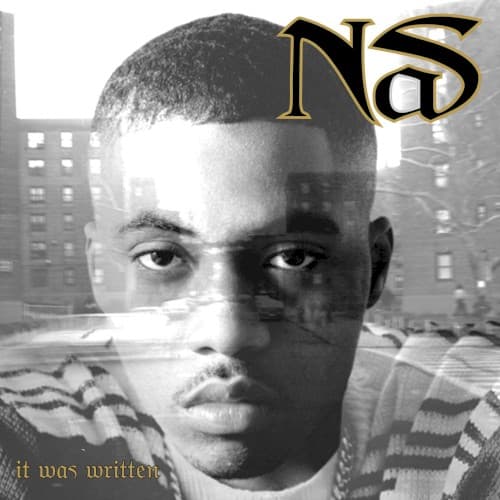
Nas It Was Written — When the Streets Met the Charts and Nobody Won Clean
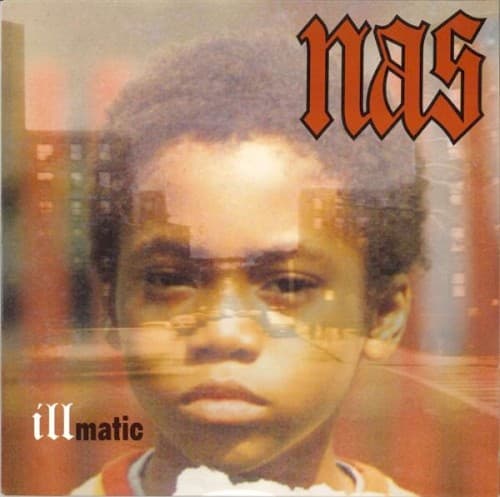
Following perfection is a trap with no exit. Nas walked into Columbia's offices in early 1996 with the weight of the groundbreaking Illmatic on his back and the entire industry waiting for him to stumble. The whispers started before he even finished recording: too glossy, too commercial, too many guest verses. What nobody wanted to admit was simpler and more uncomfortable. This album represented what happens when a pure street poet decides he wants the world, not just respect from heads in basement cyphers.
The Trackmasters replaced Q-Tip and Pete Rock. Lauryn Hill replaced his own voice on the biggest single. AZ, Foxy Brown and Cormega filled space that Illmatic left empty by design. Every choice pointed toward the same goal: make Nas a star, not just a critical darling. It worked. It Was Written went double platinum. It spawned actual radio hits. It also triggered two decades of arguments about whether Nas sold out or simply grew up.
Here is the angle nobody wants to admit: this album is better than its reputation suggests but worse than Nas needed it to be. The production gleams where Illmatic was dusty. The hooks aim for sing-along where Illmatic aimed for your chest. Some of that transition feels natural. Some of it feels forced. The album never resolves that tension. It just lives in it for fifty-four minutes, caught between two versions of who Nas could become. One version wrote "I Gave You Power." The other version put "Street Dreams" on the album twice.
Did Nas need to prove he could make hits? Or did making hits prove he misunderstood what made him matter?
When the Boards Got Shinier and the Stories Got Longer
Trackmasters built these tracks for arenas, not project stairwells. The production across It Was Written favors live instrumentation, sweeping strings and polished drum programming over the sample-chop aesthetic that defined Illmatic. Poke and Tone understood the assignment: make Nas sound expensive. Tracks like "If I Ruled the World" and "Street Dreams" shimmer with the kind of crossover appeal that moves units and fills award show performance slots. The sound is intentional, calculated and undeniably effective at what it attempts.
But that sheen costs something. The raw immediacy that made Illmatic feel like eavesdropping on Queensbridge corners gets replaced by something more staged, more considered. L.E.S. contributes grittier cuts like "Take It in Blood" that feel closer to the Nas everyone expected. Live Squad's work on "Shootouts" brings back some of the urgency. Dr. Dre's "Nas Is Coming" feels like a West Coast olive branch that never quite fits the album's East Coast posture. The production never settles into a unified vision. It vacillates between street and commercial, never fully committing to either.
Lyrically, Nas stretches into concept territory with "I Gave You Power" and expands his storytelling ambition across nearly every track. His flow remains technical and dense, but the subject matter shifts. More mob talk, more cinematic narrative, less of the hungry young poet documenting his block. Guest verses from AZ, Foxy Brown and Lauryn Hill fill space that Illmatic would have left to Nas alone. Some of those features enhance the songs. Some feel like label-mandated attempts to broaden appeal.
The album's biggest weakness is its lack of focus. At sixteen tracks, it sprawls where Illmatic was laser-precise. Sequencing choices baffle: why does "Street Dreams" appear twice? Why does the album front-load its strongest material then lose momentum in the back half? Nas proves he can make radio records and concept tracks and posse cuts. He never proves all three belong on the same album.
The Journey From Hungry to Full Without Ever Feeling Satisfied
The first five tracks establish what this album could have been: a cohesive artistic statement that balances accessibility with substance. "The Message" sets the tone with Nas reflecting on success and its complications. "Street Dreams" immediately follows with its most obvious crossover moment. The early stretch moves with purpose, building momentum through varied approaches to similar themes of ambition, survival and consequence.
Then the middle section arrives and the album loses its thread. Posse cuts and feature-heavy tracks like "Affirmative Action" and "Nas Is Coming" disrupt the narrative flow that the opening promised. The energy shifts from Nas commanding the spotlight to Nas sharing real estate with other voices. Some of those collaborations work. Some feel like contractual obligations dressed up as creative choices. The pacing suffers as the album tries to serve too many masters: the streets, the charts, the critics, the label.
The back half attempts to regain focus but never fully recovers. "If I Ruled the World" sits near the end as if the album was sequenced backward, placing its most commercial moment where a climax should live. "Silent Murder" closes with introspective bars that recall the Nas everyone thought they knew. But the path from the opening to that conclusion meanders through too many detours and too much inconsistency. The album never decides if it wants to be a cohesive listening experience or a collection of singles and album cuts stitched together by label strategy.
The Album That Proved Nas Could Have Everything Except Peace
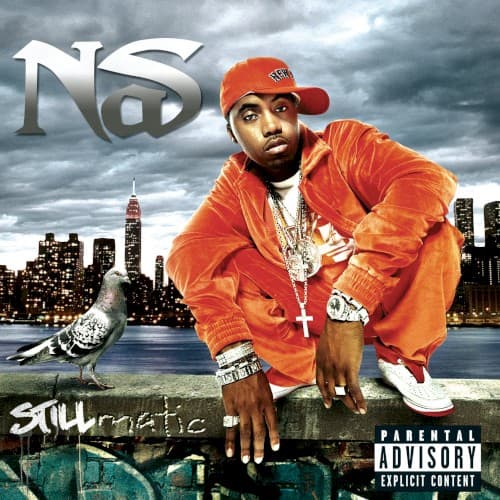
It Was Written ranks third in the Nas discography behind Illmatic and Stillmatic's return to form, ahead of everything that came after 2002. That placement tells you everything: this is the work of a generational talent trying to navigate impossible expectations and mostly succeeding despite the compromises. Fans who wanted Illmatic Part Two were always going to be disappointed. Fans who wanted to hear Nas grow and expand his commercial reach got exactly what they needed. Both camps have valid arguments. Neither is completely right.
New listeners should start here only if they want to understand Nas as a complete artist, not just a critical darling. The album showcases his range better than Illmatic, even if it never matches that debut's focused brilliance. If you loved the conceptual ambition of Kendrick Lamar's good kid, m.A.A.d city, the storytelling depth of "I Gave You Power" and "The Set Up" will resonate. If you came for pure bars and raw street poetry, stick to the first half and the L.E.S. cuts.
Essential tracks: "I Gave You Power," "The Message," "Take It in Blood," "The Set Up," "Suspect." Similar albums worth exploring: Raekwon's Only Built 4 Cuban Linx, Mobb Deep's Hell on Earth, AZ's Doe or Die. It Was Written influenced the mafioso rap wave that dominated the late 90s, for better and worse. Every rapper who prioritized cinematic storytelling over pure technical display owes something to this album's ambition.
The record aged better than the discourse around it. Twenty-five years later, the production still sounds expensive, the best tracks still hit hard, and the weakest moments still feel like unnecessary detours. Nas proved he could make hits and maintain artistic credibility in the same breath. He just never figured out how to make both fit comfortably on the same album. That tension is what makes It Was Written fascinating rather than merely good. The album that was supposed to answer every question just raised new ones about what success should sound like.
Track Listing
Album Intro
●Spoken word scene-setting that runs barely a minute. Nas and his crew talking about moves, money and reputation over minimal instrumental backdrop. Functions as throat-clearing before the real album begins. Every 90s rap album had one of these. Most were skippable. This one is no exception.
The Message
▲L.E.S. flips a melancholic piano loop into one of the album's grittiest foundations, and Nas responds with bars about fame's complications and street life's persistent pull. The production feels closer to Illmatic's aesthetic than anything else here: sample-driven, moody, raw around the edges. Nas's flow locks into the pocket with technical precision, weaving between reflection and warning. The hook is minimal, almost absent, which lets the verses breathe without pop concessions. This is the Nas that Illmatic fans wanted: hungry, focused, uncompromising. The track sets expectations the rest of the album will struggle to maintain. Opening with this instead of a radio single was a statement of intent, even if the album never fully delivers on that promise. Best moment: the second verse where Nas dissects the psychology of violence with forensic detail.
Street Dreams
●Trackmasters build the album's most obvious crossover bid on an interpolated "Heatwave" chorus, and the result sounds exactly like what it is: Nas reaching for radio play without fully abandoning his lyrical density. The production gleams with the kind of polish that moves units and fills rotation slots. Nas raps about material success and its hollow center, which would be more effective if the track itself didn't sound so enamored with that same shine. The verses remain technically proficient, but the energy feels calculated rather than urgent. This is competent commercial rap from an artist whose baseline is excellence, which means it stands above most radio fare while falling below his own standard. The decision to include a remix later on the tracklist suggests even the label knew this was the album's commercial centerpiece.
I Gave You Power
▲The greatest concept track in 90s hip-hop. Nas raps from the perspective of a gun for four minutes, and every bar cuts deeper than the last. L.E.S. provides a haunting, stripped-down beat that lets the concept breathe without distraction. Nas traces the gun's journey from manufacturer to evidence locker, personifying the weapon with regret, pride and resignation. The technical execution is flawless: he maintains the conceit without gimmicks or winking at the audience, trusting the metaphor to carry emotional weight. The verses build toward an ending where the gun expresses remorse for the lives it took, which lands with devastating impact precisely because Nas never preaches or moralizes. He just tells the story and lets listeners draw their own conclusions. This is the Nas who could have spent his career chasing artistic ambition instead of commercial viability. The track sounds as urgent and relevant now as it did in 1996. Common's "I Used to Love H.E.R." set the template, but this surpassed it. No other song on It Was Written comes close to this level of focused creativity.
Watch Dem Niggas
▲Dr. Dre and Trackmasters collaborate on a trunk-rattling posse cut featuring Foxy Brown, and the result is the album's most muscular moment of pure aggression. The production merges West Coast bounce with East Coast grit, creating a hybrid sound that feels geographically confused but sonically cohesive. Nas and Foxy trade verses about paranoia, loyalty and violence with the kind of chemistry that justifies the collaboration. Foxy holds her own, delivering bars with conviction that most male rappers would struggle to match. The hook is simple and effective, built for crowd response rather than melodic nuance. This is posse-cut rap done right: clear roles, complementary styles, a beat that hits hard enough to make the verses feel even sharper. The track works as an album cut and as a potential single, which is the balance It Was Written spends its entire runtime chasing.
Take It in Blood
▲L.E.S. returns with another dusty, sample-driven beat, and Nas responds with some of the album's most technically dense bars. The production sounds like a spiritual successor to Illmatic: grimy, claustrophobic, built for basement listening rather than radio rotation. Nas raps about street paranoia and violent retaliation with the kind of unflinching detail that made his debut essential. No hooks, no concessions to accessibility, no features diluting the vision. Just Nas over a raw beat for three and a half minutes. The verses move with the precision of a surgeon and the aggression of a corner enforcer. This is the album's purest moment of uncompromised street rap, the track that proves Nas could still deliver what Illmatic fans craved when he chose to. Every album needs at least one song this unforgiving. It Was Written needed three more.
Nas Is Coming
●Dr. Dre builds a cinematic West Coast backdrop, and Nas shares space with Dre himself on a track that feels like a bicoastal summit meeting nobody asked for. The production is polished and propulsive, classic mid-90s Dre with live instrumentation and carefully layered drums. Nas delivers competent verses that never quite match the beat's energy. Dre's contribution feels perfunctory, more cameo than collaboration. The track works as an album cut that adds sonic variety, but it never justifies its existence as a creative statement. This is what happens when labels engineer collaborations for strategic reasons rather than artistic chemistry. Not bad, not essential, just there.
Affirmative Action
●Trackmasters create a mafioso backdrop for the first full Firm posse cut, and the result is more interesting for what it represents than what it achieves. Nas, AZ, Cormega and Foxy Brown cycle through verses with varying degrees of success. AZ matches Nas bar for bar, which is expected given his Illmatic pedigree. Foxy brings energy and attitude that elevates her verse beyond token female feature status. Cormega acquits himself well in his only appearance before label politics erased him from the group. Nas anchors the track with strong opening and closing verses. The production is sleek and cinematic, built for the mob-rap aesthetic that was dominating East Coast hip-hop. The track works, but it also exposes the album's identity crisis: is this a Nas album or a showcase for a supergroup that would collapse before it ever properly launched?
The Set Up
▲Trackmasters flip a moody sample into the album's best pure storytelling track after "I Gave You Power." Nas narrates a robbery-gone-wrong with cinematic detail and narrative discipline, building tension across three verses that function like a short film. The production stays minimal enough to let the story dominate without distraction. Nas traces every beat of the setup from initial seduction to violent conclusion, trusting the listener to stay engaged without cheap hooks or melodic crutches. His technical facility shines in the way he shifts perspective and tone across verses, maintaining the narrative momentum without sacrificing lyrical complexity. The ending lands with the kind of bleak finality that makes the story feel earned rather than sensationalized. This is classic East Coast storytelling rap executed at the highest level, proof that Nas could balance commercial ambition with artistic substance when he chose to. The track deserved to be a single but probably was too dark and too dense for radio programmers who wanted another "Street Dreams."
Black Girl Lost
●Trackmasters provide a smooth, melodic backdrop for Nas to explore the tragic trajectory of a young woman seduced by street life and material aspiration. JoJo Hailey handles the sung hook, which adds R&B accessibility without cheapening the song's thematic weight. Nas raps with empathy and observation rather than judgment, tracing the character's decline with novelistic detail. The storytelling is strong, the production is polished, and the execution is competent. But the track never escapes feeling like an obligatory "conscious" moment inserted to balance the album's violent content. It works as a palette cleanser, less essential than admirable in its intentions.
Suspect
▲Live Squad produces one of the album's most aggressive cuts, a paranoid street anthem where Nas catalogs the behavior patterns of informants and fake friends. The beat is dark and propulsive, built on ominous strings and hard-hitting drums that sound closer to Mobb Deep's Hell on Earth than anything else on It Was Written. Nas delivers with the kind of focused intensity that the album's middle section often lacks. No features, no melodic concessions, just three minutes of Nas dissecting street treachery over a beat that refuses to let up. The track functions as a spiritual sibling to "Take It in Blood," another moment where the album remembers what made Nas matter in the first place. This is the sound of an artist who could have made an entire album this raw if commercial ambitions had not intervened.
Shootouts
●Live Squad returns with another aggressive production, and Nas responds with verses about gun violence and its cyclical nature. The track opens with news audio about shootings, which immediately frames the content as societal commentary rather than glorification. Nas raps with urgency and technical precision, but the song never rises above solid album-cut status. The production is competent without being memorable. The verses are sharp without being quotable. This is the kind of track that fills space on a long album without actively detracting from the listening experience. Not a skip, not a standout, just present.
Live Nigga Rap
●Stretch produces a minimal, loop-based track that feels like a callback to Illmatic's stripped-down aesthetic. Nas delivers a brief, almost freestyle-style verse focused on technical skill and street credibility. The track barely crosses two minutes, which suggests it may have been a leftover or last-minute addition. The brevity works in its favor: Nas says what he needs to say and exits before the concept wears thin. This is album-filler that knows its role and executes competently without overstaying its welcome. Better than most filler, worse than most intentional album cuts.
If I Ruled the World (Imagine That)
●Trackmasters build the album's most ambitious crossover moment on a Kurtis Blow sample and a Lauryn Hill hook, and the result is a radio-ready anthem that dominated 1996 airwaves. The production is lush and aspirational, layered with live instrumentation that screams Grammy performance. Lauryn Hill's vocals on the hook add legitimacy and soul that elevate the track beyond typical pop-rap pandering. Nas raps about utopian visions of power and change with conviction, even if the verses never quite match the hook's emotional resonance. This is competent commercial rap from an artist capable of greatness, which makes it simultaneously impressive and disappointing. The track was necessary for Nas to achieve mainstream success. It was also the clearest evidence that chasing that success meant compromising the unfiltered street perspective that made Illmatic untouchable. The song aged better than it should have, mostly because Lauryn Hill's contribution carries enough weight to compensate for the track's calculated ambitions.
Silent Murder
▲Trackmasters provide a menacing, piano-driven backdrop for one of Nas's most introspective album closers. The production feels appropriately dark and contemplative, built for reflection rather than trunk-rattling aggression. Nas delivers verses about violence, consequence and the psychological toll of street life with the kind of maturity that suggests growth beyond Illmatic's youthful intensity. The technical execution remains sharp, but the tone shifts from hunger to weariness, from observation to lived experience. No hooks, no features, just Nas closing the album with the kind of uncompromising bars that should have dominated the entire project. This is the sound of an artist who understands the weight of his choices, even if he could not quite commit to making the difficult ones consistently. The track works as a bookend to "The Message," bringing the album full circle thematically even if the journey between those two points wandered through too many unnecessary detours.
Street Dreams
▼The remix version adds absolutely nothing new to the conversation. Same concept, slightly different production sheen, no artistic justification for its inclusion beyond label politics or misguided attempts at padding the tracklist. This is the album's most glaring misstep: repeating a song that was already the most commercially calculated moment on the entire project. Skip this. You already heard it fourteen tracks ago.