The scorecard
6.7/10 · Good
- Writing25%
- 6.5
- Production25%
- 7.0
- Delivery15%
- 7.0
- Cohesion15%
- 6.5
- Originality10%
- 6.0
- Replay value10%
- 6.5
Dolph states his case as boss and new voice of the city in plain, repeatable lines, with more attitude than detail across the eleven tracks.
Mike Will Made It, Zaytoven, TM88, Drumma Boy and Nard & B give the album a big, bass-heavy Southern sound that stays consistent despite a long list of beatmakers.
Dolph's slow, gravelly drawl rides every beat like it owns the room, and his hooks are built for chanting.
Eleven tracks at roughly three minutes each keep the pace steady, though the middle stretch repeats the same mood.
The title and the boss posture are distinctive, but the sound and subject matter sit inside the trap template of 2016.
Short songs and heavy hooks make it easy to replay, though few tracks demand a close second listen.
Young Dolph King of Memphis: A Boss Announces Himself Without the Definite Article
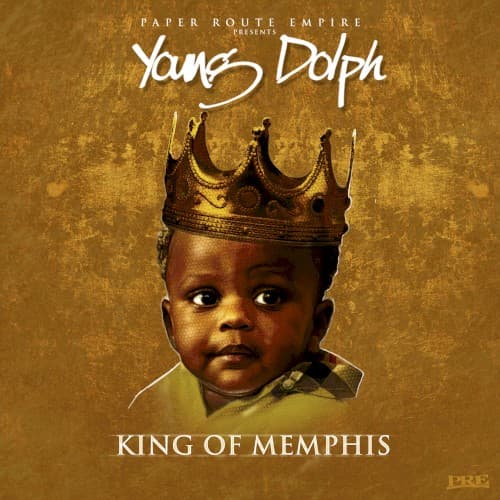
King of Memphis is a debut that behaves like a coronation, and the details of the title explain why. Young Dolph told XXL that the album is called King of Memphis, not The King of Memphis, because he was not claiming a throne so much as announcing that he does what he wants. He described himself as the newest, poppin' voice out of the city, surrounded by partners who are all kings, with himself as the boss. That attitude is the album. It is not a story record or a concept album. It is a posture, held for eleven songs, over beats built to carry it.
The thesis of this review is that King of Memphis succeeds because the posture is convincing and fails to rise higher because the posture is all there is. Dolph's drawl is low and heavy, his hooks are made to be shouted back, and the production is thick with the kind of bass that makes a Southern album feel physical. Those are real strengths. What the album lacks is a second gear: a verse that turns the boast into a scene, or a track that breaks the mood.
That is not unusual for a debut in this lane, and it is not fatal. Southern rap has always had room for records that sell a feeling more than a plot, and Dolph is good at the feeling. The album also has the advantage of speed: no song runs past about three and a half minutes, and the tracklist moves quickly from one hook to the next.
Critics were generally favorable. The album holds a score of 70 out of 100 on Metacritic from four reviews, which sounds right: it is a record that earns respect without demanding awe. It is the work of a rapper who knows what he is selling and sells it well, in a sound that is clearly of its region and moment.
Drawl, Bounce, and Bass: How a Boss Sounds in Memphis
The album is built on the contrast between Dolph's voice and the beats under it. His delivery is slow, gravelly and slightly behind the beat, so that every line sounds like it has all the time it needs. Against bright, bouncing production, the drag gives the music weight. It is a classic Southern trick, where the voice sets the temperature and the drums do the moving, and Dolph is good at it. The slower the flow, the heavier the track feels.
The producer list is long for an eleven-song album: Mike Will Made It, Zaytoven, TM88, Nard & B, Drumma Boy, DJ Squeeky, Cassius Jay and others, according to the fact sheet. That kind of variety can make an album feel like a mixtape, and to a degree it does. But the beats share a low end and a mood, and the record sounds more unified than the credits suggest. The big, bass-heavy drums are the thread. Zaytoven's piano-led bounce shows up on a couple of tracks and gives the record a lighter touch, while the heavier beats lean into the dark side of the city's sound.
The hooks are the main writing tool. Dolph builds a short, chantable phrase, repeats it and lets the beat do the rest. It is an old method and it works: the choruses are easy to remember and meant to be shouted back in a car or a club. The verses support the hook rather than competing with it, and the approach is consistent across the album. When it lands, it is infectious. When it does not, the song feels like a long chorus with a few lines of filler.
The weakness is the writing. Dolph's topics are money, status, loyalty and the people who doubt him, and the treatment is direct. There is little in the way of specific images, stories or turns, and a few verses cover the same ground from the same angle. The album would be richer if the boss voice occasionally gave way to a different register: doubt, humor, a story with a beginning and an end. As it stands, the tone is consistent to a fault.
The mix is clean and loud. The bass is heavy without blurring the kick, and the vocal sits clearly on top, which matters for a rapper whose voice is part of the instrumentation. Hooks have enough space to carry. The album sounds like it was built for large speakers, and it rewards them.
Eleven Songs, No Fat, and a Middle That Rolls Together
The sequence is brisk. The album opens with a statement track, moves through a run of heavy, hook-driven songs and closes on a more personal note. No song overstays, and the eleven-track format means the record never has time to sag. That is a real advantage in a genre where projects often run long, and it helps the album feel like a confident debut rather than a mixtape dump.
The first third is the strongest stretch. Each song has a clear identity, the hooks are sharp and the beats vary enough to keep the ear engaged. The title idea is stated early and reinforced by the production. By the time the album settles into its middle section, the listener has a clear sense of who Dolph is and what he is selling.
The middle is where the sequence flattens. A run of mid-tempo, bass-heavy tracks with similar subject matter and similar delivery begins to blur, and the hooks, which are the album's main tool, start to sound alike. This is the stretch where the record would benefit from a change of pace: a faster track, a more melodic one or a song with a different perspective. The single, which is placed in this section, helps, but not enough to change the overall feel.
The last few songs recover some of the early energy and bring the album to a close without a dramatic gesture. The ending is modest, and that suits the record. It is a debut that does not pretend to be more than it is. The pacing of the full set is a strength, with each track short enough to make its point and move on, though the shape of the album is more a straight line than an arc.
A Debut That Sounds Like a Declaration
King of Memphis is a good debut with a clear identity and a clear ceiling. The catalog context on this site does not yet list another Young Dolph album, so the ranking is a judgment of the record alone: strong voice, strong beats, consistent hooks, limited writing and a sound that fits its time and region more than it breaks new ground. The scores reflect that, with production and delivery at the top and originality at the bottom.
Who is it for? Listeners who like Southern rap with big drums, slow flows and chantable hooks, and anyone who wants to hear where Dolph started before his later projects grew larger. Fans of Memphis rap will find a clear modern entry. Listeners who want detailed storytelling or complex wordplay should look elsewhere, because the album is built on attitude and hooks, not on lyrical depth.
How has it aged? Reasonably well. The beats are still heavy, the hooks still stick and the short running time keeps the album from feeling dated. The concept, a boss declaring himself, is a simple one, and that simplicity has helped it hold up. What has dated is the sound's closeness to the trap template of its moment, which makes the album feel more of its era than ahead of it.
Start with Get Paid, the single, then Facts for the opening statement and Both Ways for a good example of the Drumma Boy bounce. Those three songs show the album at its most direct and most catchy, and if they work for you, the rest of the record will too.
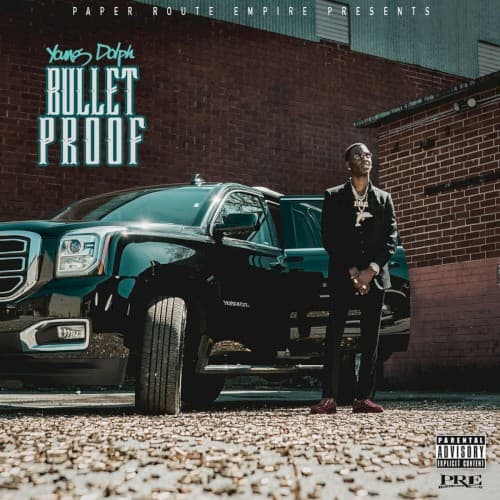
For what to hear next, Bulletproof, his second album, tightens the formula and adds a clearer concept, so it is the natural next step. Rich Slave, from several years later, shows how much more detailed the writing and how much bigger the production became as his catalog grew. The last sentence is simple: King of Memphis is the sound of a rapper deciding who he is and delivering the message at full volume.
Track by track
Track Listing
Facts
StandoutMike Will Made It and Resource produce a heavy, confident opener that sets the album's terms. The beat has weight and room, and Dolph's drawl sits comfortably inside it. The hook is direct and the verses establish the boss posture right away. It is one of the strongest tracks on the record, and a clear statement of intent. At just over three minutes, it makes its point without padding, and the production gives the album an immediate sense of scale.
Fuck It
StandoutDJ Squeeky's beat is bouncy and loud, and the title is the hook. The song is built for chanting, and the energy is high. The writing is minimal, but the track works as a statement of attitude.
Royalty
SolidCassius Jay produces a track that leans into the king theme, with a regal, slightly slower feel. The beat has some melody, and Dolph's delivery is relaxed. A solid piece that supports the album's concept without adding much.
Both Ways
StandoutDrumma Boy provides a big, bouncing beat that gives the middle of the first half some energy. Dolph's delivery rides the groove well, and the hook is easy to follow. One of the better examples of the album's Southern bounce, and a good second-tier choice for new listeners. The writing is functional, and the beat does the heavy lifting.
How Could
StandoutA Zaytoven production with the piano-led bounce he is known for. The track is lighter than its neighbors and gives the sequence a different color. Dolph keeps his steady delivery, and the song works as a change of pace.
USA
SolidZaytoven and TM88 share production on a short, tight cut at about two and a half minutes. The beat is dark and the hook is simple. It is the shortest song on the album, and its brevity helps it land.
Let Me See It
StandoutMike Will Made It returns, with 30 Roc, for a bright, club-ready beat. The hook is built for a crowd, and the energy is high. It is one of the album's more commercial tracks, and it works as an easy entry point. The verses are standard, but the beat gives the song some shine.
Get Paid
StandoutThe lead single, produced by Reazy Renegade. The hook is the simplest and most memorable on the album, and the beat is clean and heavy. It captures the record's money-and-status theme in a compact form, and at about three minutes it makes its point and exits. A good illustration of how Dolph's voice carries a simple idea, and one of the best places to start.
On My Way
SolidNard & B and XL Eagle produce a slightly more melodic beat that gives the album's back half some lift. Dolph's delivery is steady, and the track is a decent mood shift. Solid, if not a standout.
It’s Goin Down
SolidDJ Squeeky returns for a short, aggressive cut with a heavy beat. The energy is high and the track is brisk, but the verses are standard. A solid, forgettable late-album piece.
Real Life
SolidCassius Jay produces the closer, which turns slightly more personal and reflective. The shorter length and calmer tone make it a fitting end, though the track is more a coda than a high point.
Frequently Asked Questions
Is Young Dolph's King of Memphis a good album?
Why is it called King of Memphis and not The King of Memphis?
Who produced King of Memphis?
What was the single from King of Memphis?
Genres