The scorecard
6.5/10 · Good
- Writing25%
- 6.0
- Production25%
- 7.0
- Delivery15%
- 7.0
- Cohesion15%
- 6.5
- Originality10%
- 5.5
- Replay value10%
- 6.5
The album answers a public rumor with plain, confident statements and a tracklist that spells out a sentence, which is clever framing even when individual verses stay on familiar boasts.
Zaytoven handles three tracks, Metro Boomin and Drumma Boy each add one, and the set stays dark and heavy without sounding like a compilation of producers.
Dolph's slow, flat, unbothered voice is the album's main instrument, and it keeps its calm even when the beats get bigger.
Ten tracks with the shortest closer on the record and a tracklist built as a single sentence make this a tight listen with a clear idea.
The press-response concept is distinctive, but the sound sits squarely inside the Southern trap of its moment.
At about half an hour it is easy to run twice, and the best songs are strong enough to hold up outside the context of the incident.
Young Dolph Bulletproof: The Album That Answered a Rumor With a Tracklist
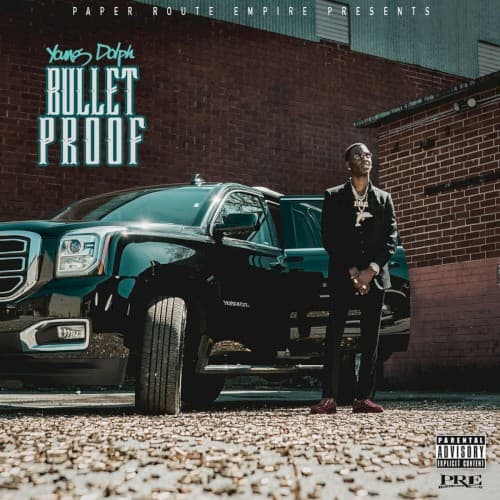
Bulletproof is an album that makes its argument before the first song starts. Read the first four titles in order and they form the beginning of a sentence: 100 Shots, In Charlotte, But I’m Bulletproof, So Fuk’em. That is Young Dolph addressing reports of a shooting in Charlotte, in which a reported hundred shots were fired and, according to the fact sheet, he was not harmed. He had avoided questions about it, and then he answered with a record. The framing is the cleverest thing on the album, and the music largely lives up to it.
The thesis of this review is that Bulletproof is a focused, confident and underrated Southern trap record whose strength is restraint. Ten tracks, a lead voice that never raises its temperature, and a small group of producers who understand the assignment give the album a cohesion that most streaming-era projects lack. It is not a record of big ideas or impressive verses. It is a record of mood and consistency, and it holds the mood from start to finish.
That consistency is worth noting in an era when albums are often judged by the number of tracks and guests. Dolph's second album does not play that game. It runs about half an hour, includes exactly one guest feature, and keeps the vocals low and the drums loud. The brevity works for it, because the listener is never asked to sit through filler, and the ideas it does have are stated cleanly.
The case against it is just as clear. The writing stays in familiar territory, and the few verses that tell a story prefer attitude to detail. The sound is strong but not wildly original. These are real limits, and they keep the album from the top tier. What they do not do is undermine the achievement: a clear concept, executed in a short, tight format, with a voice that suits the material.
Slow Voice, Heavy Drums, and a Producer List That Never Gets in the Way
The central instrument on Bulletproof is Dolph's voice. He raps in a slow, flat, almost conversational register, and he rarely changes it. That sounds like a limitation, and in a looser album it would be. Here it is the point: the album is about being unbothered after a very public scare, and the delivery sounds unbothered. The calm gives the record a particular tension, because the beats are often large and the voice refuses to compete with them.
The production list is varied on paper and consistent in practice. Zaytoven produces three tracks, DJ Squeeky, Metro Boomin, Buddah Bless, Izze The Producer, Drumma Boy, Dun Deal with Rasool Diaz, and Cassius Jay appear on others, and the result sounds like one record rather than a sampler. The drums are heavy and the low end is thick, the melodies are sparse and dark, and the arrangements leave a lot of room for the vocal. That space is what the album does best, and it is what separates it from the more crowded trap records of the same year.
The writing is clear and economical. Dolph states a position, repeats it with variations and moves on. The strength of that approach is clarity: you know what each song is about within a minute. The weakness is that the variations are small, and several tracks cover the same ground with different beats under them. Boasts about money and safety dominate, and the rare moments of detail, where a verse describes a specific scene or consequence, stand out because there are so few of them. A little more specificity would have made the album richer.
The hooks are simple and functional. Most are built around a repeated phrase and a chant-like cadence, which suits the live feel of the album and also keeps the choruses from becoming memorable in their own right. The one clear exception is the Gucci Mane collaboration, where the two voices contrast in a way that gives the song a lift. Gucci Mane appears only once, which is a smart choice: the album remains Dolph's, and the feature has real impact because it is the only one.
The mix deserves credit. Vocals sit clearly on top without sounding isolated from the track, the bass does not blur the kick, and the quieter moments are not drowned. The final track strips everything away and leaves only the voice, which is a bold move on a record built around heavy drums, and it works as a closing statement. Overall, the album sounds like a confident artist working in a style he knows well, with the discipline to stop early.
Ten Songs, Half an Hour, and No Room to Wander
The sequence is the album's other great strength. It opens with a long, heavy track and moves quickly into the next, establishing the incident and the response in the first four songs. Because the titles read as a sentence, the listener has a sense of progression before the music begins, and the music supports it: the tempo stays steady, the production stays dark, and the mood tightens rather than relaxes.
The middle of the album is where a longer project would have sagged, and where Bulletproof does not. The Gucci Mane feature arrives early enough to break up the single voice, and the tracks that follow keep the energy without repeating it. The only real flaw in the pacing is that a few mid-album songs are close in tempo and tone, so they run together on a casual listen. That is a small cost for a record that never loses its focus.
The back half shifts the mood slightly. Songs about faith and about the people who envy him change the emotional temperature without changing the sound, and the transition from boasting to reflection feels natural rather than forced. The closing track is the boldest sequencing decision: after nine tracks of heavy drums and low vocals, the album ends with a short, unaccompanied performance, and the silence behind it feels like a final statement.
Length is the thing to praise here. At about half an hour, the album delivers what it needs and stops. A record with this narrow a mood would have worn out its welcome at fifteen or sixteen tracks, and the decision to end at ten is a sign of editorial discipline that is easy to miss in an era when many albums are padded to maximize streams. If anything, the sequence could have used one more change of pace to vary the mood further. As it stands, it is a short, sharp album that does not waste the listener's time.
A Short, Steady Record That Holds Its Ground
Bulletproof is a good album, and one of the more underrated entries in a catalog that grew a great deal in the years after it. The catalog context on this site does not yet list another Young Dolph album, so its ranking is a judgment of the record alone: tight, coherent and confident, with a clear idea and the discipline to stay short. The scores reflect that, with production the clear high point and writing and originality as the ceiling.
Who is it for? Listeners who like Southern trap with a dark, heavy sound and a lead voice that sounds in control. It is also a good first Dolph record for newcomers, because it is short, focused and representative. Fans who want intricate wordplay or elaborate storytelling should look elsewhere: the verses are direct and the images are plain.
How has it aged? Better than most albums built around a news story, because the concept is a framing device rather than the content. The incident gives the album its shape, but the songs would work without it. The production still sounds heavy and clean, and the short running time means it fits easily into a playlist or a single sitting.
Start with That’s How I Feel, In Charlotte and I Pray for My Enemies. The first is the Gucci Mane collaboration produced by Drumma Boy and is the album's most direct hook, the second pairs Dolph with Metro Boomin and sets the tone, and the third shows the reflective side of the record that gets less attention than the boasts.
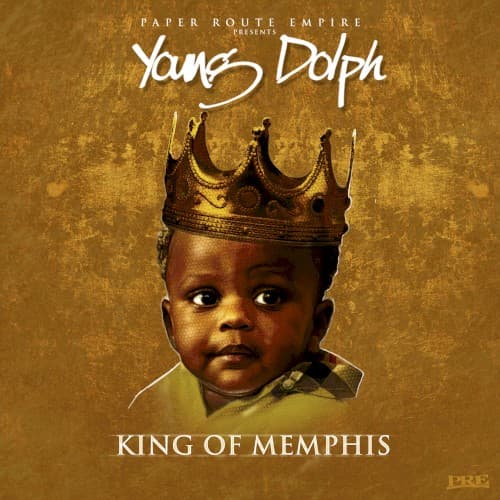
For what to hear next, King of Memphis, his debut, shows where the style started and how much he tightened it by the time of this record. Rich Slave, the later and bigger project, shows what happens when that discipline is paired with larger beats and a broader range of guests. The last sentence here is simple: Bulletproof is the sound of an artist who was asked a question he did not want to answer and responded with ten songs and a one-line argument.
Track by track
Track Listing
100 Shots
StandoutDJ Squeeky's beat sets the album's mood: heavy drums, a dark loop and enough room for Dolph's slow voice to dominate. The song addresses the reports directly without over-explaining, and the confidence comes from the delivery, which does not rise. At over four minutes it is the longest track on the album, and it earns the time by establishing the premise and the sound in one move. The hook is minimal and effective. It is a strong opener that tells the listener exactly what kind of record this will be.
In Charlotte
StandoutMetro Boomin's production gives this track a spacious, ominous feel, with the drums hitting hard and the melody staying sparse. Dolph's flat delivery fits the beat well, and the song names the setting of the incident without making it into a spectacle. The tone is controlled and cold, which suits the subject. One of the clearest examples of the production and the voice working together, and one of the best starting points on the album.
But I’m Bulletproof
StandoutBuddah Bless produces a track that states the album's thesis in its title and builds a hook around it. The beat is bright enough to give the middle of the first half a lift, and the verses stay in boast mode. Solid, direct and effective, if not especially surprising.
So Fuk’em
SolidA short, defiant track from Izze The Producer. It finishes the opening sentence formed by the titles, and it keeps the energy high without adding much new. Brief and functional.
That’s How I Feel
StandoutThe promotional single, with Gucci Mane and production from Drumma Boy. Gucci Mane's voice contrasts with Dolph's in a way that gives the song a lift, and the beat is clean and heavy. It is the only guest feature on the album, and it lands because it is rare. The hook is the most direct of the record, and at about two and a half minutes the song does not overstay. It works as a radio-ready cut that still fits the album's mood, and it shows the strengths of the shorter format.
All of Them
StandoutZaytoven's first track on the album has the bounce and melodic touch he is known for, and Dolph rides it with the same steady delivery. It is a solid mid-album piece with a catchy hook, though it covers familiar ground.
I’m So Real
SolidDun Deal and Rasool Diaz produce a longer, slower cut that pushes the mood toward introspection. The beat is spacious and the verses are plain. It is one of the quieter moments on the album, and it may blend into the surrounding tracks on a first listen, though it grows with repeat plays.
I Pray for My Enemies
StandoutZaytoven and Cassius Jay produce a track that shifts the tone toward reflection without changing the sound. The beat has a melodic lift that gives the song a quiet gravity, and Dolph's delivery is slightly softer than elsewhere on the record. The writing turns from boasts to a more measured stance, and the change of pace is welcome at this point in the sequence. This is one of the album's most distinctive songs and a good example of what the record does beyond its central concept.
I’m Everything You Wanna Be
StandoutZaytoven's third beat of the album closes the full-band section with a confident, melodic piece. The hook is a clear statement of the album's attitude, and the beat is one of the best on the record. A strong final track before the short closer, with a hook that is easy to remember.
SMH
SolidAn unaccompanied performance that runs under a minute and a half. After nine tracks of heavy drums, the stripped-down format is a bold ending, and it works as a final statement, though it is more a coda than a full song.
Frequently Asked Questions
Is Young Dolph's Bulletproof a good album?
What is Bulletproof about?
Who produced Bulletproof?
Which songs on Bulletproof should I hear first?
Genres