The scorecard
7.1/10 · Good
- Writing25%
- 7.0
- Production25%
- 7.5
- Delivery15%
- 7.5
- Cohesion15%
- 6.5
- Originality10%
- 6.5
- Replay value10%
- 7.5
Dolph's boasts carry a thread of history and self-awareness, and the title song and the opener give the money talk a sharper edge than it has on his earlier records.
Bandplay's warm, solid beats set the tone and the guest-producer tracks, such as the Juicy J cuts and the Drumma Boy title track, change the temperature without breaking it.
The slow, gravelly voice is at its most assured here, and it carries Megan Thee Stallion, Key Glock and G Herbo features without losing its authority.
Short song lengths keep sixteen tracks from feeling bloated and the first half is strong, but the middle and last third blur together in tempo and tone, and the album ends modestly without a stronger closing statement.
It is a polished version of a sound Dolph already owned, with the title as its one genuinely provocative move.
Short songs, clear hooks and warm production make it easy to return to, and the best tracks hold up outside the album.
Young Dolph Rich Slave: Warm, Solid Beats and a Title That Does Its Own Arguing
Rich Slave is Young Dolph's most confident record because it lets a single phrase carry more weight than a single verse could. He explained the title as the reality of being Black in this country, and that framing changes how the money talk on the album lands. When a rapper who has spent years on cars, jewelry and bank accounts puts the word slave next to the word rich, every boast acquires a second meaning, and the album is smarter for it. The history is not stated in every song. It is implied, and that restraint is what makes it work.
The thesis of this review is that Rich Slave is the most polished and most complete Young Dolph album on the evidence of this record alone: the writing is sharper, the beats are warmer, and the delivery is as steady as it has ever been. It is a refinement of a style rather than a reinvention, and its ceiling is the ceiling of that style, but within it the album is a strong, replayable piece of Southern rap.
The commercial side supports the case. The album debuted at number four on the US Billboard 200 with 65,000 units, about half of them pure sales, which made it his highest-charting project to that point. Critics were generally positive, and the fact sheet records that Stereogum's Tom Breihan called it enjoyable for the simple reason that a strong rapper talks strong over strong beats.
It is also worth noting what the album is. It is the fifth solo studio album and the last to be released in Dolph's lifetime, which gives it a weight it did not have when it arrived. That weight should not drive the judgment. The album stands on its songs, and the songs, with a few soft spots, stand up well.
Big, Warm, Unhurried: How the Beats Give a Hard Voice Room to Breathe
Listening against the West Coast tradition clarifies what Rich Slave is doing. West Coast rap has long balanced menace with melody and ease, and the best of it leaves space for the voice to relax. Dolph's record comes from a different region and a different set of references, built on 808s and heavy drums rather than live-sounding funk. But the instinct is similar: the beats are warm and solid, the tempo is unhurried, and the vocals sit in the middle of the mix with room on every side. That combination is what gives the album its character, and it is also what separates it from the colder trap records of the same moment.
Bandplay handles most of the production, with Juicy J, Supah Mario, Cassius Jay, King MugZi and others adding tracks. Bandplay's beats set the tone: big, clean and unfussy, with drums that hit hard and loops that repeat without wearing out. The producers who step in change the texture without breaking the mood, and the album sounds like one record. A Juicy J beat brings a different bounce, and the Drumma Boy production on the title track adds a heavier undertone. The result is variety within a clear frame, which is harder to achieve than it sounds.
The writing is stronger than on earlier Dolph projects, if still direct. His subjects are money, loyalty and survival, and the verses are built on repetition and attitude. What is new is the awareness: the title and the opening tracks signal that the money talk has a history behind it, and several verses hint at that history without belaboring it. That restraint is a strength. A louder treatment would have made the album preachy, and the quieter one lets the listener supply the context.
The weakness is variety. Across sixteen tracks the voice, tempo and subject matter change little, and a few songs in the middle would be hard to tell apart without the titles. The hooks, which are catchy individually, share a template. The album would be richer with one or two songs that broke the pattern, a story, a change of tempo or a more emotional turn. The skit and the stripped-back moments help, but not enough to make a difference.
Delivery is the album's anchor. Dolph's slow, gravelly voice has never sounded more assured, and it carries the features without strain. Megan Thee Stallion brings energy to her track, Key Glock matches Dolph's cool, and G Herbo adds a sharper edge. In each case, the host remains in charge. That control is the album's defining quality, and it is a large part of why it succeeds.
Sixteen Tracks at Cruising Speed, With One Skit for a Breather
The sequence moves at a steady pace that suits the music. Most songs run between two and three and a half minutes, and the tracklist never lingers. The album opens with a long, confident statement, moves through a run of short, punchy tracks and settles into a groove that holds for most of its length. A skit in the first third gives the listener a short pause and a change of voice, and then the album picks up again.
The strongest stretch is the first half, where each song has a clear identity. The singles are spread across the sequence so that the energy never drops for long, and the guests arrive at points that keep the pace varied. By the midpoint, the listener has heard the album's full range: the warm beats, the hard hooks, the boasts and the quiet moments of reflection. The title track is placed in the second half at a moment when it can reset the theme, and it does.
The last third is where the album's repetition becomes more noticeable. The songs are well made, but they are close in tempo and tone, and the effect is of a long, steady cruise rather than a climb. There is no dramatic closing statement, and the album ends modestly. That is in keeping with its character, though a stronger final track would have given the sequence a sharper finish.
The length is mostly earned. Sixteen tracks is long for a record this consistent in mood, but the short song lengths keep the running time reasonable, and the album does not feel bloated. Cutting two or three of the middle tracks would have tightened it further. As it stands, the sequence is a strength: it is easy to start, easy to finish and easy to start again.
The Most Complete Dolph Record, Judged on Its Own
Rich Slave is a very good album, and the strongest Young Dolph record on the evidence of this review alone. The catalog context on this site does not yet list other Dolph albums, so the ranking is not a comparison but a judgment: the writing has more edge, the production is warm and unfussy, and the delivery is at its most assured. The scores reflect that, with production, delivery and replay value at the top and originality as the ceiling.
Who is it for? Listeners who like Southern rap with a dark but warm sound and a lead voice that never raises its temperature. It is a good first Dolph record, because it is polished, short on filler and representative of his strengths. Listeners looking for dense lyricism or genre-bending experiment should look elsewhere, because the album is built on mood, hooks and consistency.
How will it age? Well. The production is clean and heavy enough to avoid dating, the hooks are easy to carry and the title adds a layer that rewards thought. The context of its place in his discography will make it more significant over time, but the album does not rely on that context to work.
Start with RNB, the Megan Thee Stallion single, then Death Row and Blue Diamonds. The first shows the album's pop-leaning side with a guest who matches Dolph's energy, the second is the most direct example of the Bandplay sound, and the third has one of the best hooks on the record.
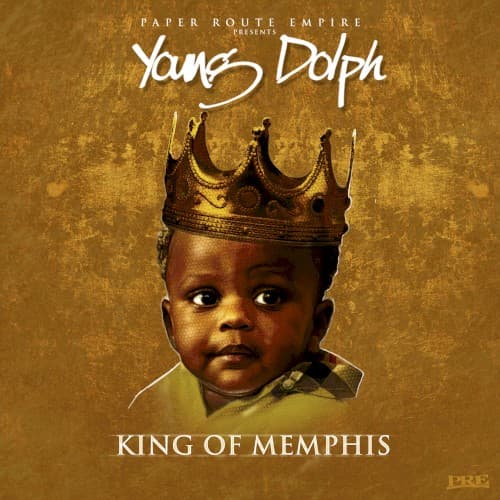
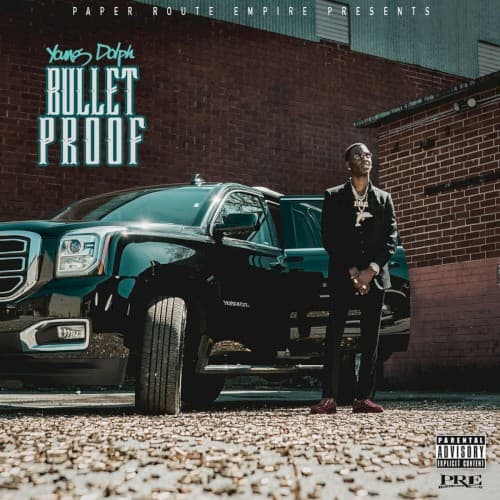
For what to hear next, Bulletproof, an earlier and shorter album, shows a tighter and more restrained version of the same voice, and King of Memphis, his debut, shows where the sound started. Rich Slave is the fuller realization of an approach those records established. The last sentence is simple: Rich Slave is the album where Dolph's calm voice finally sounds like it has a point to make.
Track by track
Track Listing
Hold Up Hold Up Hold Up
StandoutBandplay produces the opener, which runs just over four minutes, the longest song on the album. The beat is big and warm, and Dolph's slow delivery fills it without strain. The track sets the tone and the pace: confident, unhurried and a little menacing. The hook is built on repetition, and it sticks. A strong start that gives the listener an accurate preview of the record, and a good example of how Bandplay's production leaves room for the voice.
Black Friday
StandoutProduced by Dolph himself, and short at about two minutes. It has a lean, direct feel and a quick hook. A tight track that shows a producer's ear as well as a rapper's.
To Be Honest
StandoutJuicy J produces a track with a different bounce from the Bandplay material. The beat gives the early part of the album a change of texture, and Dolph's delivery adjusts to it easily. Solid, with a hook that is easy to follow.
I See $’s
SolidBandplay and DJ Cyreen produce a money-themed track that stays within the album's template. The beat is clean and the hook is clear, but the writing treads familiar ground. Competent and brief.
Corduroy Houseshoes (skit)
SolidA short skit produced by Dolph. It gives the album a pause and a change of voice, and it is the only real break in the first half. Filler, but useful as a reset.
What’s Da Bizness
SolidSosa 808 produces a brisk, bass-heavy beat. The track is short and the hook is direct. It is a fine example of the album's pace, though it does not stand out from its neighbors.
The Land
StandoutSosa 808 and Hunnit Band Yung produce a track that leans into regional pride. The beat is heavy and the delivery is confident. A solid mid-album piece with a hook that carries it.
Death Row
StandoutA Bandplay production and one of the album's singles. The beat is the clearest example of the record's warm, solid sound: heavy drums, a simple loop and plenty of space for the voice. Dolph's delivery is steady and the hook is one of the album's most memorable. At over three minutes, the track has room to develop and uses it. This is one of the best places to start, and it shows why the album works.
Cray Cray
SolidBandplay produces a short, aggressive track. The energy is high and the hook is clear, but the writing is standard. A solid, forgettable mid-album piece.
RNB
StandoutThe lead single, with Megan Thee Stallion and production from Juicy J and Sosa 808. The guest brings energy and a contrasting voice, and the beat has a bounce that makes it the album's most radio-ready track. Dolph and Megan trade lines easily, and the chemistry is real. It runs a little over three minutes and never drags. A highlight and the most accessible entry point to the album, even if it is more polished than adventurous.
Rich Slave
StandoutDrumma Boy produces the title track, which is among the shortest on the album at just over two minutes. The beat is heavier and darker than most of the record, and the song states the album's theme in a compact form. The writing hints at the weight of the title without making a speech. A key track that resets the theme in the second half and gives the sequence its sharpest moment.
Until It Rot
SolidBandplay produces a track that sits comfortably in the album's groove. The hook is simple and the beat is clean. Solid, and typical of the record's steady middle.
Blue Diamonds
StandoutAnother single, produced by Sosa 808. The beat has a bright, melodic edge, and the hook is among the album's best. Dolph's delivery is relaxed and confident, and the track balances warmth and menace well. A highlight that works well outside the album.
No Sense
StandoutKey Glock joins on a Supah Mario and Cassius Jay production. The guest's cool, clipped delivery contrasts with Dolph's drawl, and the beat gives both room. At just over two minutes, it is tight and effective. One of the better guest moments on the album.
Benz
SolidMontana Corleone and Sosa 808 produce a car-themed track with a heavy beat. The hook is simple and the energy is steady. It is solid, though it covers familiar ground.
1 Scale
StandoutG Herbo joins on a Bandplay beat for the closer. The guest adds a sharper, faster cadence, and the beat gives the album a firm finish. It is a strong guest verse and a decent ending, though the track does not offer a dramatic final statement.
Frequently Asked Questions
Is Young Dolph's Rich Slave a good album?
Why is the album called Rich Slave?
Who produced Rich Slave?
How did Rich Slave perform commercially?
Genres