The St. Louis Voice Blurring Hip-Hop's Genre Lines
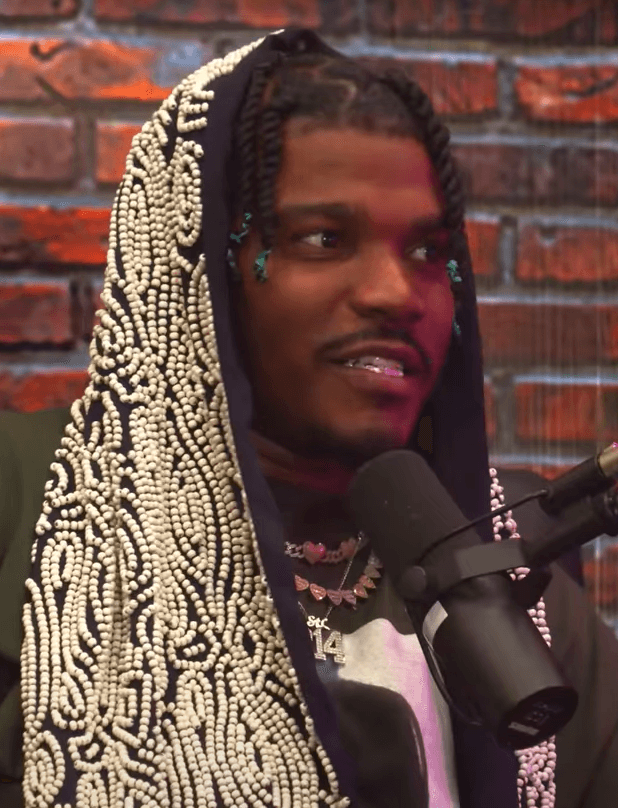
Smino emerged from St. Louis with a sound that refuses easy categorization, blending sung-rapped verses, jazz-inflected production, and a vocal approach that treats rhythm as something liquid rather than rigid. Born Christopher Smith Jr., he represents a generation of artists for whom the boundaries between rap and R&B feel more like suggestions than rules. His music carries the architectural complexity of the Midwest's underground tradition while maintaining an accessibility that never sacrifices artistic ambition.
What distinguishes Smino isn't just technical ability but the way he inhabits songs—his voice shifts textures mid-phrase, moving from breathy melodic runs to percussive rap cadences without telegraphing the transition. This fluidity became the foundation for what he and his Zero Fatigue collective termed a philosophy as much as a sound: music built on feel rather than formula, collaboration over competition, and regional pride without parochialism. St. Louis hip-hop historically existed in the shadow of coastal scenes, but Smino's approach offered something neither derivative nor reactionary.
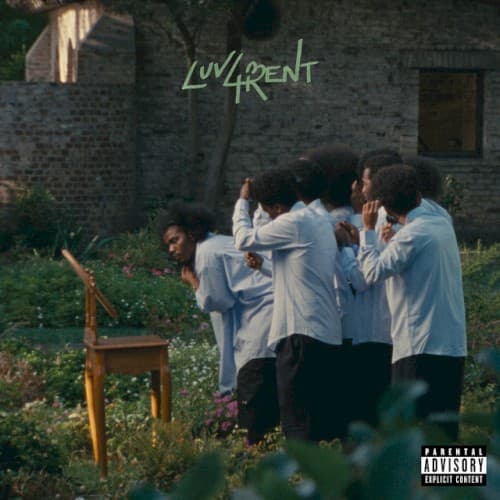
His career trajectory reflects an artist building a catalog on his own terms, prioritizing creative growth over commercial calculation. From his 2017 debut blkswn through 2022's Luv 4 Rent, each project has expanded his sonic palette while maintaining the core elements that make his music immediately recognizable: the sing-song flow, the warm production aesthetic, the lyrical focus on relationships and self-reflection rendered without melodrama. He's carved out space in contemporary hip-hop for vulnerability that doesn't perform sensitivity, for technical proficiency that never feels like showboating.
Melodic Architecture: How Smino Constructs His Signature Sound
Smino's vocal delivery operates in the space between singing and rapping, treating melody as rhythmic punctuation rather than separate mode. His phrasing often lands off the beat's expected landing points, creating a conversational intimacy that makes even densely produced tracks feel like private transmissions. The technique resembles how Andre 3000 and Anderson .Paak approach vocal performance—using the entire sonic spectrum rather than staying in traditional rap's rhythmic pocket. But where those comparisons might suggest, Smino's application is entirely his own, rooted in the particular cadences and musical heritage of St. Louis.
Production-wise, his music gravitates toward live instrumentation, jazz chord progressions, and soul samples processed through contemporary techniques. Frequent collaborator Monte Booker became essential to establishing this aesthetic, crafting beats that breathe and shift rather than looping rigidly. The sonic world Smino inhabits feels organic—basslines walk, drums shuffle rather than snap, keyboards ripple rather than stab. This production philosophy complements rather than competes with his vocals, creating space for his voice to move freely.
Lyrically, he focuses on romantic relationships, self-awareness, and the texture of daily life with specificity that avoids cliché. Rather than grand narratives or conceptual frameworks, his songs capture moments and feelings, building meaning through accumulated detail. The writing balances playfulness with sincerity, humor with vulnerability, creating an emotional palette that feels adult without being heavy-handed. His approach to subject matter mirrors his vocal technique: everything connects, boundaries blur, and the journey between points matters more than dramatic arrivals.
From Zero Fatigue Collective to Luv 4 Rent: Charting Smino's Evolution
Smino's recorded history began in earnest with blkswn in 2017, a debut that announced a fully formed artistic vision rather than a tentative first statement. The album showcased his melodic sensibilities, his willingness to let songs breathe and develop organically, and his connection to a specific creative community—the Zero Fatigue collective that included producers like Monte Booker and rappers like Bari and Jay2. That collaborative foundation shaped not just the music but the ethos: hip-hop as communal expression rather than solo showcase.
The project received critical attention for its distinctive approach to Midwest hip-hop, offering an alternative to the drill-influenced sounds dominating Chicago and the more traditional boom-bap revivalism elsewhere. Tracks demonstrated his ability to construct earworms without sacrificing artistic integrity, songs that worked as both casual listening and deeper study. The album established templates he would continue exploring: the interplay between live and programmed instrumentation, the balance between introspection and groove, the sense that every element served the song rather than the artist's ego.
NOIR, released in 2018, pushed further into experimental territory while maintaining accessibility. The album title itself suggested his interest in mood and atmosphere, and the music delivered—darker tones, more abstract production choices, deeper exploration of emotional complexity. It demonstrated growth without abandoning what worked, the mark of an artist confident enough to evolve but smart enough not to chase trends. Critical reception recognized this maturation, positioning Smino as part of a new generation reshaping contemporary hip-hop's possibilities.
She Already Decided in 2020 arrived as a more concise statement, an EP that felt like a conscious step toward refinement. The project showcased tighter song construction and more direct melodic hooks while preserving the experimental spirit of his earlier work. It suggested an artist learning to balance adventurousness with clarity, understanding that accessibility and artistic depth aren't opposites.
Luv 4 Rent in 2022 represented his most fully realized vision to date. The album expanded his sonic palette, incorporating more pronounced funk influences, sharper production, and guest features that enhanced rather than overshadowed his artistic vision. Critics responded enthusiastically, recognizing the project as both a natural progression and a leap forward. The music felt lived-in and confident, the work of someone who has found his voice and learned how to use it effectively. Tracks balanced experimentation with immediate appeal, demonstrating that Smino had mastered the art of making challenging music feel effortless.
Smino's Place in Hip-Hop's Melodic Revolution
Smino's significance extends beyond his individual discography to represent a broader shift in hip-hop's relationship with melody, genre, and regional identity. He's part of a generation that grew up with Drake and Kanye West normalizing sung-rap hybrids, but rather than simply following that template, he's built something distinctly his own. His approach offers a model for how artists can honor regional traditions while pushing beyond geographical limitations, creating music that sounds unmistakably rooted in a specific place without being limited by it.
His influence on the conversation around Midwest hip-hop is particularly notable. While Chicago's drill scene garnered mainstream attention and defined one version of the region's contemporary sound, Smino presented an alternative—equally authentic, equally rooted in the Midwest's musical heritage, but oriented toward different possibilities. This diversity matters for the ecosystem, preventing any single style from becoming the only acceptable regional expression. His success creates space for other artists exploring similar territory, demonstrating viable paths outside established commercial formulas.
The Zero Fatigue collective philosophy—emphasizing collaboration, community, and creative freedom—has influenced how younger artists approach career building. Rather than following traditional industry pathways, Smino's model suggests the value of building organic networks, developing alongside peers, and prioritizing artistic vision over immediate commercial returns. In an era where playlist placement and viral moments dominate industry conversation, his steady, catalog-focused approach offers an alternative definition of success.
As hip-hop continues fragmenting into increasingly specialized subgenres, Smino's genre-fluid approach feels increasingly relevant. He demonstrates that artists can work across stylistic boundaries without appearing unfocused, that technical proficiency and accessibility aren't mutually exclusive, and that regional identity can be source material rather than limitation. His catalog stands as evidence that there's still room in hip-hop for artists willing to develop their own vocabulary, speak in their own voice, and trust listeners to meet them where they are.