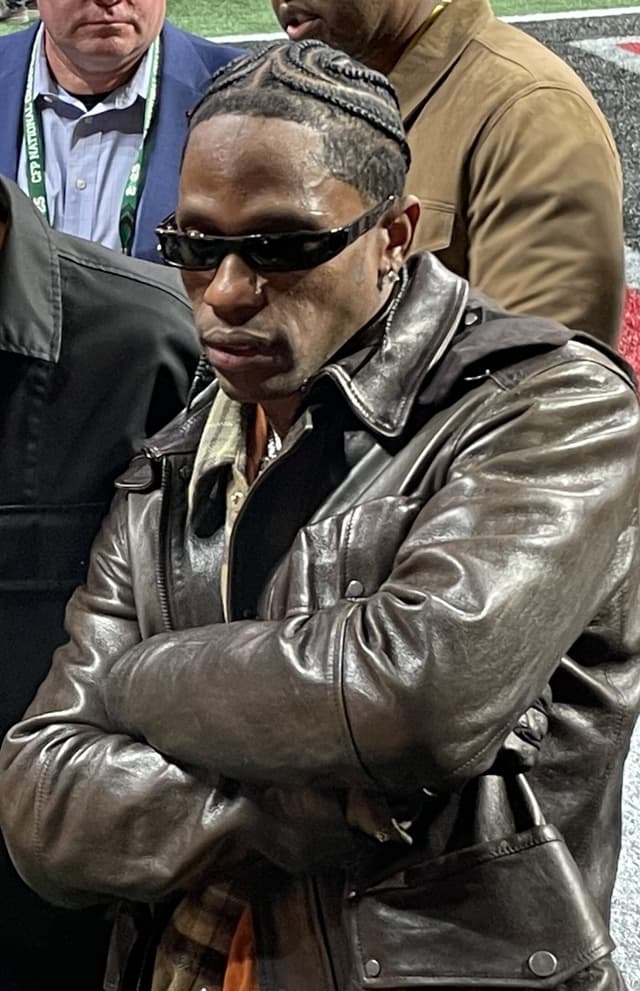
From Houston to Astroworld: Travis Scott's Transformation of Modern Trap
Travis Scott emerged from Houston's sprawling creative underground not as a traditional rapper but as an architect of atmosphere. Born Jacques Webster II, he channeled the city's legacy of chopped and screwed experimentation through a lens that absorbed everything from Kid Cudi's spacey melancholy to Kanye West's maximalist ambition. By the mid-2010s, Scott had positioned himself as something beyond a performer—he became a curator of experience, treating albums like theme parks and concerts like participatory art installations.
What distinguishes Scott's trajectory is his refusal to stay confined within trap's conventional parameters. While peers doubled down on Atlanta's established formulas, he pulled from psychedelic rock, industrial noise, and ambient textures, creating soundscapes that feel vast and disorienting. His creative process involves marathon studio sessions with rotating casts of producers, vocalists, and engineers, layering sounds until tracks achieve a density that rewards repeat listening. The result is music that sounds less like traditional hip-hop and more like a controlled fever dream—pulsing, immersive, often overwhelming.
Scott's cultural footprint extends well beyond streaming numbers. He's cultivated a brand that merges music with fashion, retail, and spectacle, transforming album rollouts into multi-platform events. His Cactus Jack label functions as both imprint and lifestyle ecosystem. Yet this commercial success sometimes obscures the musical innovation at the core of his work: the way he's expanded trap's emotional vocabulary, proving the genre could convey not just aggression or luxury but genuine psychedelia and existential unease.
Psychedelic Trap Architecture: Scott's Sonic Design Philosophy
Travis Scott's production aesthetic operates on controlled chaos. His beats don't follow trap's minimalist tendencies—they accumulate. Layers of distorted bass, processed vocals, eerie synth pads, and unexpected samples build into walls of sound that feel claustrophobic and euphoric simultaneously. He favors minor keys, dissonant harmonies, and sudden dynamic shifts that keep listeners off-balance. Drums hit hard but often sit back in the mix, allowing atmospheric elements to surge forward. The effect is hypnotic rather than head-nodding, immersive rather than immediate.
Vocally, Scott embraced Auto-Tune not as correction but as instrument. His heavily processed delivery—somewhere between singing and rapping, often compressed into robotic textures—became signature. He rarely showcases technical rapping prowess in the traditional sense; instead, he uses his voice as another production element, molding syllables into melodic patterns that interlock with the instrumental chaos. Ad-libs function as rhythmic punctuation, grounding tracks that might otherwise drift into pure abstraction. This approach frustrated purists but expanded hip-hop's textural possibilities.
The artists he's worked with reflect his sonic ambitions. Frequent collaborators like Mike Dean, WondaGurl, Metro Boomin, and Allen Ritter helped craft his signature sound—Dean's synth work and mixing providing the psychedelic sheen, WondaGurl's dark minimalism adding weight. Scott's production credits reveal an artist who understands how to shape mood through layering and space, creating tracks that feel lived-in despite their digital construction. His influence on younger artists is audible: that particular blend of melodic Auto-Tune, atmospheric density, and trap percussion now defines a generation's sound.
Rodeo to Astroworld: Mapping Scott's Creative Evolution
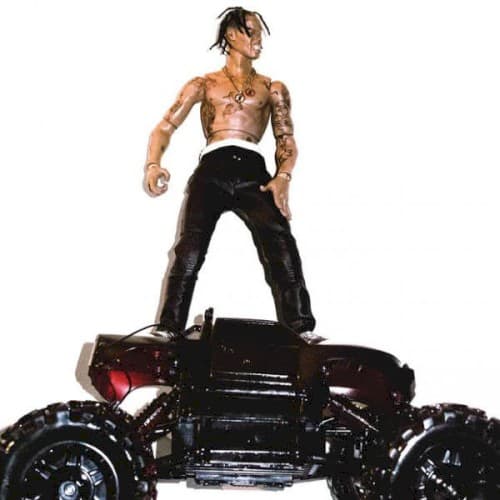
Scott's path to prominence wasn't linear. Early mixtapes like Owl Pharaoh and Days Before Rodeo established his aesthetic but reached limited audiences. What changed was strategic positioning: co-signs from Kanye West and T.I., high-profile production work, and relentless touring built momentum. His 2015 debut album Rodeo arrived as a statement of intent—90 minutes of psychedelic trap that refused to deliver easy singles. Tracks sprawled past five minutes, tempos shifted mid-song, and guest appearances from Quavo, Future, and The Weeknd felt like transmissions from different sonic dimensions. Critics were divided; fans were obsessed.
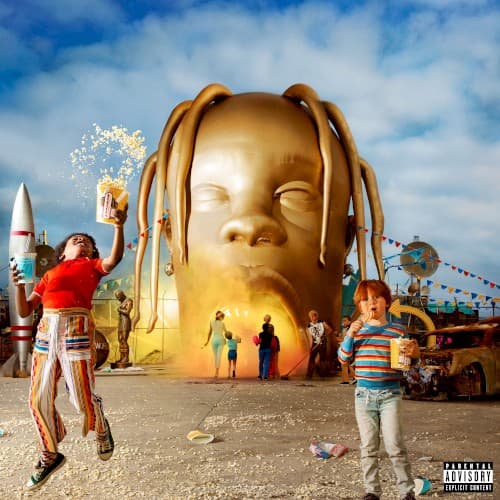
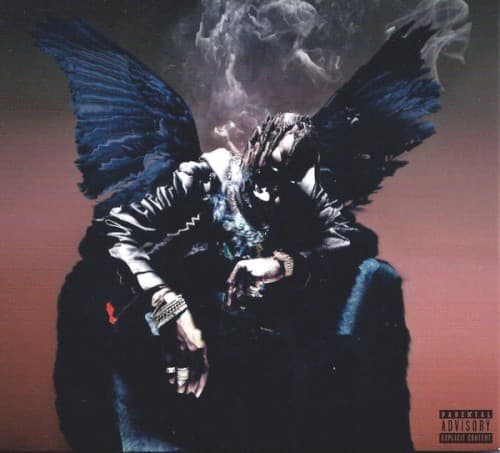
Birds in the Trap Sing McKnight followed in 2016, refining the formula while maintaining the experimental edge. The album performed better commercially, suggesting audiences were catching up to Scott's vision. But it was ASTROWORLD in 2018 that crystallized his cultural moment. Named after Houston's demolished amusement park, the album functioned as both hometown tribute and artistic peak. Production was denser, features more strategically deployed, sequencing more deliberate. Songs like "SICKO MODE" demonstrated Scott's ability to create multi-movement epics that somehow worked as radio singles—a three-part suite that defied conventional structure while dominating charts.
ASTROWORLD's success transformed Scott from cult figure to mainstream force. The accompanying tour pushed concert production into new territory, with roller coaster stage setups and pyrotechnics that made shows feel like carnival rides. This spectacle-driven approach would define his subsequent work, though it also courted controversy. The 2021 Astroworld Festival tragedy, which resulted in ten deaths during crowd crush, cast a shadow over his career and raised serious questions about safety protocols in his live events. The incident forced a reckoning with the "rage" culture he'd promoted—the encouraged chaos that made his shows legendary but came with real human cost.
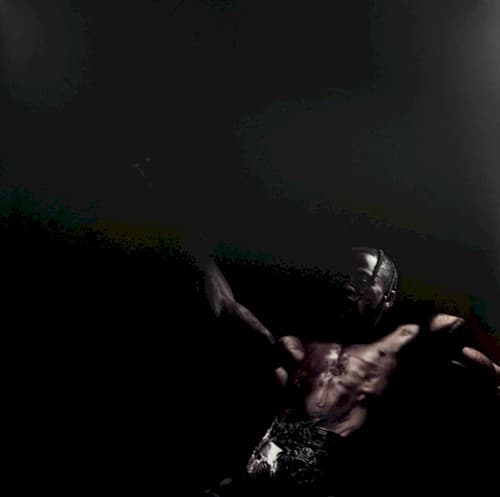
Post-tragedy, Scott's output slowed. UTOPIA, released in 2023 after years of delay, arrived under different circumstances. The album maintained his sonic ambitions—film composer collaborations, genre-blurring production, ambitious scope—but couldn't escape the context of its creation. Musically, it represented continued evolution, incorporating more live instrumentation and global influences. Culturally, it became a referendum on accountability, separating those who viewed Scott purely through his art from those who couldn't ignore the real-world implications of his brand. The critical and commercial response was strong but complicated, reflecting hip-hop's ongoing struggle to balance artistic merit with personal responsibility.
The Cactus Jack Effect: Scott's Imprint on Hip-Hop's Soundscape
Travis Scott's influence on contemporary hip-hop operates on multiple levels. Sonically, he normalized the psychedelic trap template—that specific combination of heavily processed vocals, atmospheric density, and hard-hitting drums that now dominates streaming playlists. Artists like Playboi Carti pushed this aesthetic even further into abstraction, while others cherry-picked elements for more commercial applications. The sound itself became genre expectation, particularly for artists emerging from SoundCloud and digital-native spaces.
Beyond production aesthetics, Scott changed how artists approach album rollouts and fan engagement. His use of augmented reality filters, limited merchandise drops, and cross-brand partnerships created a blueprint for turning music releases into cultural events. The McDonald's collaboration, Nike sneaker partnerships, and Fortnite concert represented new revenue streams and audience touchpoints that other artists quickly copied. He proved hip-hop artists could operate as full lifestyle brands without diluting their core musical identity—though whether that's ultimately beneficial to the art form remains debated.
Yet his legacy is unavoidably complicated by Astroworld Festival. The tragedy sparked necessary conversations about artist responsibility, crowd control, and the limits of manufactured chaos. It revealed tensions between spectacle and safety, between cultivating intensity and maintaining control. How hip-hop culture addresses these questions—whether artists can promote "raging" while ensuring fan safety, how much responsibility performers bear for crowd behavior—will shape Scott's long-term historical position. He remains influential, commercially successful, and artistically ambitious. But his story now includes a cautionary element about the real consequences when performance mythology meets physical reality.