Travis Scott UTOPIA — The Sound of a Man Building His Way Out
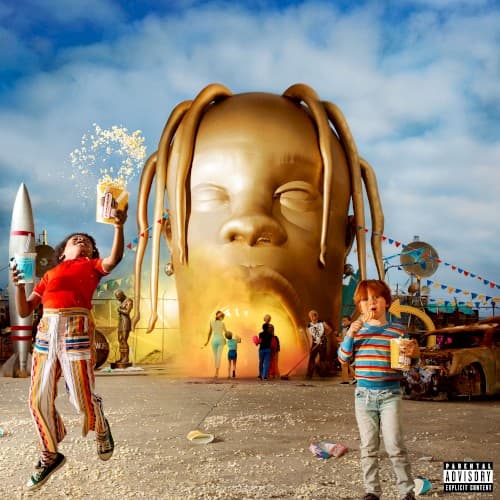
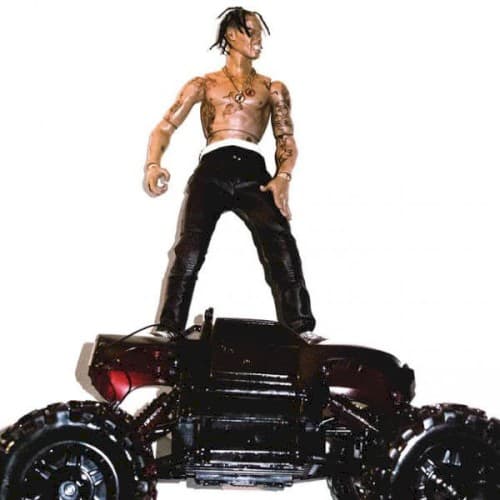
You cannot engineer spontaneity. You cannot manufacture the chaos that made Rodeo feel like stumbling into someone else's fever dream or the narcotic haze that turned Astroworld into a theme park designed by someone who hates theme parks. Travis Scott built an empire on controlled accidents, on beats that sounded like they might collapse at any moment, on Auto-Tune that felt less like a vocal effect and more like emotional architecture.
UTOPIA arrives five years after Astroworld with the weight of a man who watched his creative peak turn into his darkest professional moment, who spent half a decade trying to figure out how to move forward when forward meant answering questions nobody wanted him to answer with music. The gap matters because it forced him to reconsider everything—the maximalism, the features, the approach to rollout and release.
What he delivers is his most ambitious project, nineteen tracks that sound like they were recorded in five different studios across three continents with producers who never spoke to each other. It is overstuffed in places and breathtaking in others, a document of an artist trying to out-build his own reputation. The production reaches for psychedelic, for orchestral, for industrial—sometimes all three at once. Where does this rank in his catalog?
Somewhere between the reckless inspiration of Rodeo and the commercial dominance of Astroworld, closer to the former than the latter. It lacks the cohesion of his best work but refuses to play it safe in ways that make the bloat feel intentional. The question hanging over the entire album is whether Travis Scott in 2023 still has the hunger that made his earlier work feel dangerous. UTOPIA argues yes, but with caveats.
When Maximalism Becomes the Medium
Travis Scott has always treated production like architecture—layered, towering, designed to disorient. UTOPIA pushes that instinct further than any of his previous albums, enlisting an absurd roster of producers including James Blake, The Alchemist, Buddy Ross, WondaGurl, Jahaan Sweet, Boi-1da, and others to build a sonic universe that refuses to settle into any one mode. The result is an album that sounds expensive in ways that have nothing to do with budget and everything to do with ambition. Strings appear and vanish, synths melt into distortion, kicks hit like they are trying to crack the foundation.
The palette is psychedelic trap meets dystopian orchestra, closer to experimental electronic music than anything currently dominating rap radio. It is the sound of an artist who knows he can afford to take risks and chooses to take all of them at once.
Lyrically, Travis remains more interested in vibe than bars, but the themes here—paranoia, legacy, survival, excess—feel more personal than the flexing that dominated Astroworld. He is not trying to be Kendrick or Cole; he is building atmosphere, letting his voice become another instrument in the mix. The Auto-Tune here is less melodic than textural, bending syllables into shapes that complement the production rather than leading it. When he does lock into a pocket, as he does on several tracks in the back half, the results justify the approach.
His vocal delivery has matured—he knows when to pull back, when to let the beat do the talking, when to layer himself into a wall of sound that feels more like an environment than a vocal performance.
The album sprawls. Nineteen tracks is too many, and several stretches in the middle sag under the weight of ideas that never fully develop. Some tracks feel like interludes that forgot to end, others like demos that got promoted to album cuts because they had a famous feature. Travis has always struggled with editing, but UTOPIA makes that flaw impossible to ignore.
The sequencing also stumbles—momentum builds and then evaporates, peaks arrive too early, valleys stretch too long. A tighter version of this album, maybe thirteen or fourteen tracks, would have been a legitimate triumph contender. As it stands, UTOPIA is a very good album that could have been great if someone had been willing to tell Travis no. But even with the bloat, the highs here are plain.
The production alone makes this essential listening for anyone who cares about where rap production is headed. Travis is still one of the few mainstream rappers willing to let a song sound genuinely weird, to prioritize texture over clarity, to trust that listeners will meet him in the chaos. That willingness to experiment—even when it fails—is what separates UTOPIA from the safe, algorithmic projects dominating streaming playlists. Is it messy, overlong, occasionally frustrating?
The Journey Through the Compound
UTOPIA does not follow a traditional arc—it spirals. The opening stretch hits hard and fast, refusing to ease the listener in, throwing you directly into the deep end with production that sounds like it is collapsing and rebuilding itself in real time. The first act establishes the album's aesthetic: disorienting, expensive, uninterested in hooks. By the time you hit the middle section, Travis starts introducing more melodic moments, tracks that breathe a little easier even as the production remains dense and layered.
This is where the album both expands and sags—some of these cuts feel essential, others feel like they are fighting for space that was already claimed. The back half is where UTOPIA earns its runtime. The sequencing tightens, the features start making sense, and Travis sounds more locked in than he does anywhere else on the project. The momentum that was lost in the middle returns with force, and the final stretch delivers some of the album's most fully realized moments.
The closing run does not resolve anything—this is not that kind of album—but it leaves you with the sense that Travis knows exactly what he was building toward, even if the path to get there was messier than it needed to be. The pacing issues are real, but the peaks are high enough to justify the valleys.
The Empire Strikes Back, Sort Of
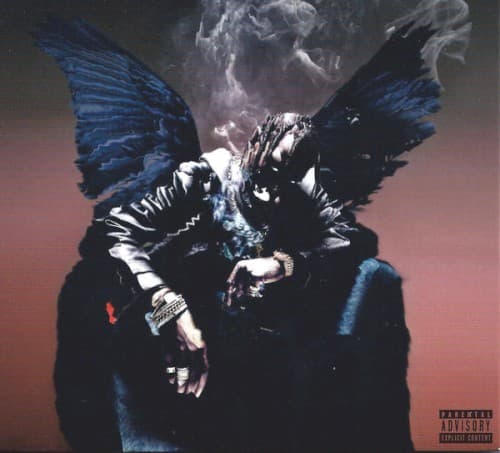
In Travis Scott's discography, UTOPIA slots in third—better than Birds in the Trap Sing McKnight, not quite reaching the reckless creativity of Rodeo or the commercial dominance of Astroworld. It is the album of an artist trying to prove he still has it after the world questioned whether he should. The ambition is plain, the production is some of the most adventurous in mainstream rap this decade, but the editing is weak and the runtime betrays the vision. Still, this is Travis at his most uncompromising, refusing to chase trends or deliver the safe sequel everyone expected.
For fans who have been waiting for him to take real risks again, UTOPIA delivers. For casual listeners who just want bangers, the album will feel exhausting. The album has aged interestingly even in the short time since release. Tracks that felt like filler on first listen have revealed layers; songs that seemed like obvious singles have faded.
It is the kind of project that rewards patience and repeated listens, which makes it a tough sell in an era that rewards instant gratification. Travis is betting that depth matters more than accessibility, and whether that bet pays off will determine how this album is remembered. If you are looking for entry points, start with the back half. If you loved Rodeo, you will find plenty to appreciate here.
The influence of UTOPIA will likely be felt more in production circles than in mainstream rap. Producers will be dissecting these beats for years, borrowing textures and approaches, trying to figure out how to make maximalism feel intentional rather than indulgent. Similar albums worth exploring: Kanye West Yeezus for dystopian industrial rap, Kid Cudi Man on the Moon III for psychedelic introspection, Playboi Carti Whole Lotta Red for uncompromising sonic experimentation. Travis Scott is still one of the most important voices in modern hip-hop, and UTOPIA proves he is willing to risk everything to keep pushing forward.
Track Listing
HYAENA
●The album opens with one of its strangest and most daring moments—off-kilter percussion, warped vocal samples, and a beat that sounds like it is being played through a broken speaker in an empty warehouse. Travis does not ease you in; he throws you into the disorientation immediately. The production, handled by multiple contributors including Jahaan Sweet and Nik D, feels deliberately uncomfortable, refusing to settle into a groove even as Travis rides the chaos with a flow that sounds more spoken than rapped. It is an aggressive statement of intent: this will not be Astroworld Part Two. No hook, no climax, just vibes and menace. As an opener, it works because it forces you to recalibrate your expectations. As a song, it is more interesting than enjoyable.
THANK GOD
▲This is where the album finds its first real momentum. The production smooths out just enough to let Travis lock into a pocket, but the texture remains dense—layered synths, a hypnotic loop, and a beat that pulses rather than knocks. Travis sounds more confident here, his vocal delivery tighter, his melodies sharper. The feature from KayCyy adds a lighter contrast without derailing the mood. The song builds gradually, adding elements as it progresses, and by the end you are fully inside the world Travis is constructing. It is one of the few early tracks that feels complete rather than like a fragment of a larger idea. Strong sequencing choice—arriving right after HYAENA, it rewards the listener for sticking through the opener.
MODERN JAM
▲Teezo Touchdown's feature here is the most interesting thing about the track. His vocal tone and delivery bring an energy that Travis has never had, and the contrast makes the song feel more dynamic than it would have been as a solo cut. The production is colorful, almost playful, built around a rubbery bassline and layered vocal chops that give the track a bounce that much of the album lacks. Travis sounds like he is having fun here, leaning into melody without disappearing into the mix. The hook is simple but effective. It is one of the album's more accessible moments, the kind of track that could have been a single in another timeline. Solid, but not essential.
MY EYES
▲The darkest, heaviest track in the first half. The production is oppressive—grinding bass, industrial percussion, a soundscape that feels claustrophobic and massive at the same time. Travis delivers one of his most intense vocal performances, pushing his voice into distortion, letting the Auto-Tune become another layer of aggression. Lyrically, this is where the album gets closest to addressing the weight he has been carrying, though he never gets explicit. The Weeknd's feature in the back half adds a haunting melodic counter, but this is Travis's show. The beat switch near the end is jarring in the best way, flipping the entire mood without losing the thread. One of the album's strongest moments, proof that Travis still knows how to make a song feel urgent.
GOD'S COUNTRY
▲The most straightforward banger in the first act. The production is massive—booming 808s, a menacing loop, and a structure that feels designed for arenas. Travis rides the beat with confidence, his flow sharp and his delivery more aggressive than melodic. The energy here is pure adrenaline, no introspection, no vulnerability, just flex and momentum. It is the closest the album gets to the sound that dominated Astroworld, and it works because it arrives at the right moment in the sequencing. The hook is simple but effective, the kind that sticks after one listen. Not the most adventurous track, but one of the most immediately satisfying.
SIRENS
●A brief interlude that does not overstay its welcome. Atmospheric, eerie, built around looping vocal samples and minimal percussion. Travis barely raps—this is more of a mood piece, a moment to breathe before the album ramps back up. The production feels like a palate cleanser, stripping away the maximalism that dominates most of the project. It serves its purpose in the sequencing, giving the listener a moment of space, but it is not a track you return to on its own.
AYE!
●Chaotic, fun, and a little too messy to fully land. The production is all over the place—competing loops, sudden shifts in tempo, a structure that feels more like a freestyle session than a finished song. Travis sounds loose here, almost improvisational, and while that energy is refreshing after the controlled intensity of the earlier tracks, the song never coheres. Lil Uzi Vert's feature adds energy but does not elevate the track beyond its parts. It is the kind of cut that works in the context of the album but would feel incomplete as a standalone. Decent vibes, weak execution.
FE!N
▲The undeniable standout. Playboi Carti's feature is pure chaos—his ad-libs and vocal delivery turn the track into a mosh pit, and Travis matches his energy with one of his most unhinged performances on the album. The production is relentless, built around a looping sample that never lets up, 808s that rattle your chest, and a structure that refuses to resolve. The song feels like it could go on forever, and in the best way. This is Travis at his most reckless, leaning into the madness rather than trying to control it. The hook is hypnotic, the energy is infectious, and the chemistry between Travis and Carti is undeniable. It became the album's biggest moment for a reason—this is the sound of two artists pushing each other to the edge. Essential.
DELRESTO (ECHOES)
▲Beyoncé's feature elevates this into one of the album's most cinematic moments. The production is lush—strings, layered vocals, a beat that feels more like a film score than a rap track. Travis takes a backseat here, letting Beyoncé command the space, and the result is one of the album's most emotionally resonant cuts. The song builds slowly, adding layers as it progresses, and by the end it feels massive. It is a bold choice for the middle of the album, a moment of grandeur that contrasts sharply with the chaos that came before. The sequencing works—this is the breath you did not know you needed. Not a track you throw on casually, but one that rewards focused listening.
I KNOW ?
▼This is where the album starts to sag. The production is fine—layered synths, a hypnotic loop—but the song never finds a direction. Travis sounds checked out, his vocal delivery lacking the urgency that makes his best work compelling. The hook is forgettable, the structure is repetitive, and by the time the track ends you have forgotten it already. It is not offensively bad, just unnecessary, the kind of cut that should have been left on the cutting room floor. The album would be stronger without it.
TOPIA TWINS
▲Rob49 and 21 Savage bring a gritty, street-level energy that contrasts with the psychedelic maximalism dominating most of the album. The production is darker here, more focused, built around a menacing loop and hard-hitting percussion. Travis sounds more grounded, his flow tighter, his delivery more direct. The chemistry between all three artists is strong—they feed off each other's energy without stepping on each other's toes. The song feels like a reset, a return to fundamentals after the experimental sprawl of the middle section. One of the back half's strongest moments, proof that Travis can still make a straightforward banger when he wants to.
CIRCUS MAXIMUS
▲The Weeknd and Swae Lee both contribute here, and the result is one of the album's most fully realized tracks. The production is lush and layered, built around a hypnotic loop and vocal samples that add texture without overwhelming the mix. Travis sounds locked in, his melodies sharp, his vocal delivery confident. The Weeknd's hook is haunting, Swae Lee's verse adds a melodic counterpoint, and the three voices blend into something that feels cohesive rather than like a feature showcase. The song builds gradually, adding elements as it progresses, and by the end it feels massive without being overwhelming. One of the album's best moments, a track that justifies the bloat around it.
PARASAIL
●Dave and Yung Lean both show up here, and while the production is gorgeous—shimmering synths, a floating bassline, a beat that feels weightless—the song never fully coheres. Travis sounds like he is drifting through the track rather than commanding it, and while that works for the vibe, it makes the song feel less essential. Dave's verse is sharp, Yung Lean's contribution is atmospheric, but the parts never quite add up to a whole. It is pretty, but forgettable, the kind of track that fades into the background on repeat listens.
SKITZO
▲Young Thug's presence here is bittersweet—this was recorded before his legal troubles, and hearing him in this context adds emotional weight the song might not have had otherwise. The production is stuttering and glitchy, built around chopped vocal samples and off-kilter percussion. Travis and Thug trade verses, their chemistry as strong as ever, their flows weaving around each other in ways that feel effortless. The song is chaotic but controlled, messy but intentional. It is one of the album's most emotionally complex moments, a reminder of what Thug brings to any project he touches. Essential for fans of either artist.
LOST FOREVER
▲Westside Gunn's feature is jarring in the best way—his grimy, street-focused bars contrast sharply with the psychedelic production that dominates the album. The beat is dark and atmospheric, built around a looping sample and minimal percussion, giving both artists space to breathe. Travis sounds more introspective here, his vocal delivery subdued, his bars more grounded. The Alchemist's production is unmistakable—dusty, layered, cinematic. It is one of the album's most surprising moments, a track that should not work on paper but clicks because everyone involved commits to the mood. Underrated.
LOOOVE
●Kid Cudi's feature turns this into a nostalgic callback to their earlier collaborations. The production is spacey and melodic, built around shimmering synths and a floating bassline that gives the track a dreamlike quality. Travis and Cudi trade melodies, their voices blending into a wall of sound that feels more like an atmosphere than a traditional song. The hook is hypnotic, the vibe is immaculate, but the track never builds into anything more than a mood. It is pleasant but lacks the urgency that makes the best Travis-Cudi collaborations essential. Solid, but not memorable.
K‐POP
▼The Weeknd, Bad Bunny, and SZA all contribute here, and the result is one of the album's most overstuffed moments. The production is lush and expensive, built around a melodic loop and layered vocals, but the song never finds a center. Too many voices, too many ideas, not enough structure. Travis gets lost in the mix, The Weeknd's hook is strong but underutilized, Bad Bunny's verse feels tacked on, and SZA's contribution arrives too late to save the track. It is the kind of song that sounds impressive on paper but collapses under its own ambition. Filler.
TELEKINESIS
●SZA and Future both show up here, and while the production is gorgeous—layered synths, a hypnotic loop, a beat that pulses rather than knocks—the song feels like it is missing a climax. Travis sounds subdued, his vocal delivery more melodic than aggressive, and while that works for the vibe, it makes the track feel less essential. SZA's hook is strong, Future's verse is solid, but the song never builds into anything more than a mood. It is pretty, but forgettable, the kind of track that works better as background music than as a focal point. Decent, but not essential.
TIL FURTHER NOTICE
▲James Blake's presence is felt throughout the production here—lush, melancholic, built around layered vocals and minimal percussion. Travis delivers one of his most introspective performances, his vocal delivery subdued, his lyrics more personal than flexing. The song builds slowly, adding elements as it progresses, and by the end it feels massive without being overwhelming. 21 Savage's verse adds a grounded contrast, his bars sharp and focused, his delivery cutting through the production's dreamlike haze. It is one of the album's most emotionally resonant moments, a strong closer that leaves you wanting more rather than exhausted. The sequencing works—this is the note to end on.