The scorecard
6.8/10 · Good
- Writing25%
- 7.0
- Production25%
- 6.5
- Delivery15%
- 7.5
- Cohesion15%
- 6.0
- Originality10%
- 6.5
- Replay value10%
- 7.0
The robbery story and the legal-system track show a narrator who builds scenes with specific detail, while the relationship songs fall back on bluntness.
Chopsquad DJ's heavy drill and bass give the tape a steady backbone, and outside beats add a few textures, but little here is memorable on its own.
Von's flat, matter-of-fact cadence sounds fully formed already and turns the story songs into something close to testimony.
Thirteen tracks with most songs under three and a half minutes keep it moving, though the closing remix feels like a bonus tacked onto a finished sequence.
In late 2019 the habit of rapping a plotted story over drill beats set him apart from nearly everyone on the Chicago scene.
The Crazy Story run and a few mood pieces hold up, though the relationship cuts are the first things to drop off a playlist.
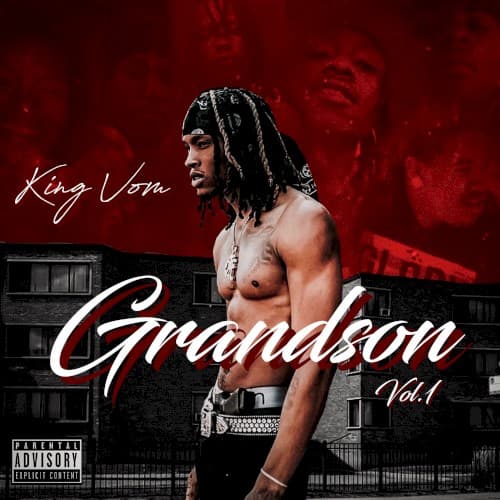
King Von Grandson, Vol. 1: The Mixtape That Turned a Story Into a Rollout
Grandson, Vol. 1 is a debut built around a single idea that happened to travel unusually well on streaming: a drill rapper who narrates a plot. King Von's early singles did not ask the listener to admire a threat. They told a story with a beginning, a middle and an ending, and a second and third installment followed so that the story became a series. That structure, more than any beat or hook, is why the tape found an audience.
My argument is that the project is a better piece of release strategy than it is an album, and that this is not an insult. The mixtape is a delivery system for a handful of strong songs surrounded by competent filler, and the strong songs are strong enough to justify the whole. Streaming taught rappers to build projects around singles and sequels, and Von used that logic with unusual discipline: a breakout record, a follow-up, a remix, a third part, and a shorter tape to hold them together.
The context needs only a sentence. This was his first mixtape, released in September 2019 through Only the Family and Empire, and it peaked at number 53 on the Billboard 200 with five singles behind it. That is a modest chart position for a project that became a reference point for what followed, and it was later certified gold.
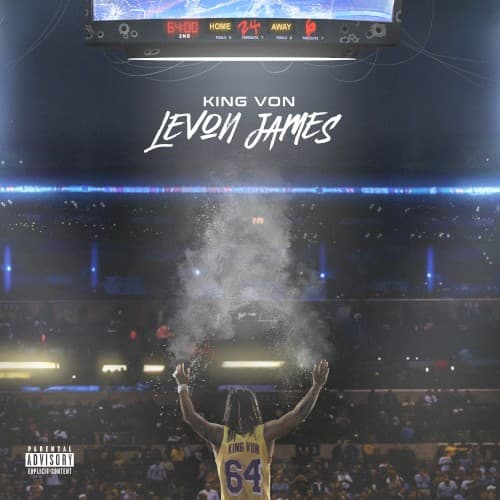
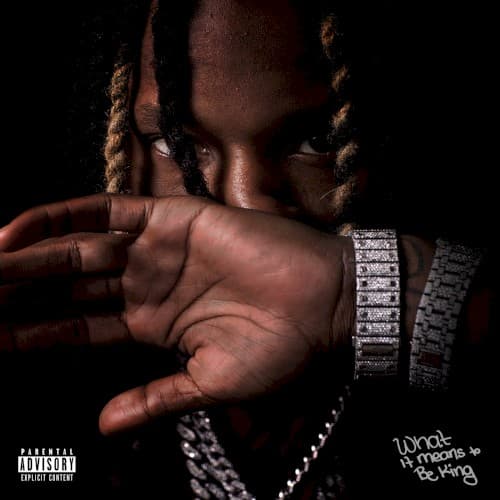
On the music itself, the tape is less polished than his later work and also less diluted. There are fewer guests, less pressure to chase a radio sound and more room for the single voice that carries the best songs. Compared with Levon James or the later Welcome to O'Block, it is rougher, shorter and more direct. For anyone tracing how King Von developed, it is the place to start the story.
Heavy Drill Beats, a Flat Voice and a Storyteller Who Arrived Fully Formed
The production is built on Chopsquad DJ, with additional beats from Mac Fly, Murda Beatz, Kid Wond3r, Timmy Da Hitman, Young Chop and BKH Beats. The core sound is heavy drill with deep bass and sparse percussion, and it gives Von a steady, ominous surface. The outside producers add some variety, including a more serious, brooding beat on one of the collaborations and a strangely childlike one on another, but nothing on the tape sounds like it was built to be a standalone hit. The beats serve the voice, which is the right choice for this rapper and also the reason the instrumentals do not linger.
Von's voice is the center of the project. His cadence is flat, clipped and unhurried, the kind of delivery that makes a violent line sound like a statement of fact rather than a boast. That tone gives the story songs their weight, because the calm of the performance is at odds with the events being described. It is a specific skill, and Von already has it fully developed on his first tape. The effect is closer to a witness statement than to a street anthem, and it is what separates him from rappers who rely on volume.
The writing is at its best when it has a plot. The story songs build scenes from small details and move to a clear ending, and the songs about the legal system and about prison add a more reflective dimension to a rapper who is known for toughness. There is also a softer side on display, and the tape is more varied in mood than the singles suggest. Von mixes bragging, relationship drama and narrative in a way that feels more like a personality than a template.
The weaknesses are visible. The relationship songs are the least interesting material on the tape: they rely on bluntness and a bitter tone, and they lack the specificity of the stories. The production, while consistent, is also repetitive, and several beats share the same dark bass-heavy sound, so the middle of the project can blur. The guests are few and fit well, but the tape has less variety in voice than a longer project would, and the remix at the end adds a familiar verse rather than a new idea.
It is also worth noting what the tape does not try to do. There is no grand concept, no ambitious structure and no attempt to reach beyond the street-rap format. Von is working inside a genre and a style that he already understands, and the tape's strength is that it does so with clarity and economy. That focus is a limit as well as a virtue, and it explains why the tape is more compelling in pieces than as a unified work.
Thirteen Tracks, a Sequel Strategy and the Remix at the End
As a sequence, the tape is compact and mostly well judged. Thirteen tracks with most under three and a half minutes keep the pacing brisk, and the opening stretch moves from a bragging introduction to the story songs without wasted motion. The project is at its best when it places a narrative record next to a lighter one, and the early running order does that well.
The story songs are placed close together, which gives the middle of the tape its identity. The release logic is clear: a breakout record, a follow-up in the form of a remix and a third part that deepens the idea. That is a streaming-era approach, in which the project is a home for singles that were already circulating, and it works because each installment adds something different to the first.
The sag comes in the second half. A run of relationship songs and mood pieces breaks the narrative thread, and the sequence loses some of its momentum before the closing tracks. The songs are not bad, but they are less distinctive than what came before, and they make the tape feel like two projects joined together: a story-driven opening and a more generic second half.
The closing remix is a bonus rather than a conclusion. It brings in a guest voice and a familiar story, and it is a logical way to end a tape built around that single, but it does not give the project a sense of an ending. The record just stops, which is a typical feature of a mixtape and a reminder of its role as a collection of songs.
The length is earned, and the tape is short enough that the weaker songs do not overstay. Compared with longer projects that followed, it avoids the bloat that comes from guest lists and padding. That economy is the best argument for the record, and it makes it easier to recommend as a first listen than some of the later releases.
A Debut That Proves the Method Before the Polish
Grandson, Vol. 1 is a good debut mixtape with a few excellent songs, and it ranks as a strong first statement in the King Von catalog, though below the better-sequenced Welcome to O'Block and roughly level with the looser Levon James. It is shorter and less polished than those projects, but it has a purity of idea that the later work sometimes dilutes. The storytelling is the point here, and it is stronger than the sequencing.
Who is it for? Anyone who wants to hear how Von's style started, and listeners who like drill with a narrative bent. It is also a good place to understand the singles that made him known, since the tape collects the sequel songs in one place. Skip it if you want a polished album with variety in production and guests, or if the relationship songs are likely to put you off. For those listeners, the album is a better place to start.
It has aged well. The best songs still sound distinctive because they rely on narrative and delivery rather than on a trend, and the project has gained weight as the rest of the catalog filled in. The weaker material has aged less well, since it leans on formulas that were common in the scene at the time. As a document of how a streaming-era drill artist built an audience on a series of stories, it remains useful.
Start with Crazy Story, then play Crazy Story, Pt. 3 for the sequel and What It's Like for the reflective, legal-system side of Von's writing. Those three songs show the range of what the tape does best, and they are enough to tell you whether you want the rest.
For what to hear next, move to Welcome to O'Block for the same voice with better sequencing and more ambitious stories, and then to Lil Durk, who appears on the tape and whose melodic, confessional approach offers a different take on the same scene. The best thing about the tape is that it makes the case for Von's method in under forty minutes, and the best songs make that case on their own.
Track by track
Track Listing
Went Silly
SolidA bragging opener in which Von raps about a breakup after getting out of jail. It sets a confident tone and shows his clipped delivery, but the writing is more attitude than story.
Tuff
SolidA short, hard-edged track that keeps the energy up after the opener. Von sounds confident, but the song is more of a mood piece than a highlight.
Crazy Story
StandoutThe breakout single and the key track on the tape. Von tells a story about a robbery with a clear structure: set-up, complication and an ending that lands. His deadpan delivery makes the events feel real, and the detail is specific enough to keep the listener following. The beat stays out of the way and lets the narrative carry the song. It is the clearest demonstration of what makes Von different from other drill rappers, and it earns its place as the record that started the whole run.
Crazy Story, Pt. 3
StandoutThe sequel is a key track in which Von tells a story to a group of friends about a girl who was plotting against him. The framing device gives the song a conversational feel, and the writing is as detailed as the original. It is a good example of how he can extend an idea without repeating it, and one of the best songs on the tape.
Twin Nem
StandoutA collaboration with Lil Durk over a serious Murda Beatz beat. The two voices fit together well, and the beat has a weight that suits the subject. It is a solid track, though more of a mood than a story.
Fuck Yo Man
WeakA blunt, bitter relationship track whose title says most of what it has to offer. It has energy, but it lacks the detail of the stories and is one of the weaker songs on the tape.
No Flaws
SolidA track built on a childlike beat that gives the tape an unusual texture. The contrast between the light instrumental and Von's flat delivery is interesting, but the song is more of a curiosity than a strong record.
What It’s Like
StandoutA key track about the legal system, prison and dealing with police. Von drops the bragging and speaks plainly about his experience, and the result is the most reflective song on the tape. The video, with its prison scenes and court footage, reinforces the point. It shows a side of his writing that the story singles do not, and it is one of the best reasons to hear the whole project.
Hoes Ain’t Shit
WeakA relationship track in the same bitter vein as the earlier one, with a title that makes its stance clear. It lacks the specificity of the stories and reads as filler.
War With Us
StandoutA single built on a heavy drill beat with deep bass. Von sounds aggressive and controlled, and the song has more momentum than the relationship material around it. It is a solid example of the tape's core sound, even if the writing is more about posture than plot.
Jet
SolidA collaboration with Booka600 that keeps the mood steady. The guest fits and the beat is competent, but the song does not add much to what the tape has already established.
Mama’s Boy
SolidThe shortest track on the tape, under two minutes. It is a quick, personal moment that gives the project a softer note near the end, though it is more of a sketch than a full song.
Crazy Story (remix)
SolidThe remix brings in Lil Durk and extends the breakout record. The added verse is a good fit, but it does not change the song so much as add to it, and the track works more as a bonus than as a finale.
Frequently Asked Questions
Is Grandson, Vol. 1 worth listening to?
How did Grandson, Vol. 1 perform commercially?
Who is featured on Grandson, Vol. 1?
Which King Von project should you hear first?
Genres
Styles