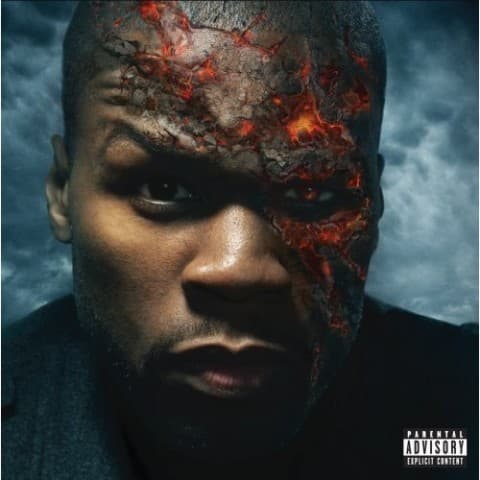
The scorecard
5.4/10 · Weak
- Writing25%
- 5.0
- Production25%
- 6.5
- Delivery15%
- 6.0
- Cohesion15%
- 4.5
- Originality10%
- 3.5
- Replay value10%
- 5.5
Recycled formulas and street clichés with no memorable lines or craft; aggressive threats throughout but no specific imagery worth revisiting.
Dr. Dre's three tracks deliver menacing atmosphere, Havoc adds boom-bap grit, but the second half sags into generic club beats
The hunger returns on early tracks with focused aggression, but monotone flow wears thin and Ne-Yo duet exposes limited range
Album splits awkwardly between street menace and R&B detours; sixteen tracks with no clear arc or earned length
Retreats to 2003 formulas without adding anything; sounds dated even by 2009 standards when Drake and Kid Cudi were rewriting the rules
First seven tracks remain compelling on repeat while second half drags, but the split personality keeps the album from becoming a complete write-off.
50 Cent Before I Self Destruct — The Hunger That Came Back Too Late
Before I Self Destruct sold half a million copies and proved nothing except that 50 Cent still knew how to execute a formula. The album arrived two years late and three years too familiar, banking everything on a return to the street sound that made Get Rich or Die Tryin' a phenomenon while the culture had moved on to Kanye's heartbreak anthems and Drake's singing. The bet was that raw aggression and Dr. Dre beats could override the fact that 50 had already made this album in 2003, and made it better. The result is a record that works in bursts when it leans into its darkest impulses but collapses under its own length and lack of ideas, frontloaded with genuine menace and backloaded with radio chasing that nobody asked for.
The commercial damage was real: 160,000 first-week sales where Get Rich moved 872,000, a number five debut where he once owned number one, and a leaked album that his label had to game the chart rules to even count properly. This was supposed to be the fire that reignited a career cooling since The Massacre, the album title itself a warning about what happens when the spotlight fades. Instead it became evidence that 50's moment had passed, that hunger alone is not enough when you are repeating yourself, and that the industry pivot from credible threat to desperate single-chaser was already complete by track thirteen. The album works best when it ignores its own second half.
Dre's Shadows and the Beats That Couldn't Save It
The production splits into two camps: the first seven tracks where 50 sounds like he still has something to prove, and everything after where the label clearly demanded singles. Dr. Dre produced three songs here, all front-loaded, and they carry the album's only real weight. Death to My Enemies rides a brooding minor-key synth and sparse drums that give 50 room to sound genuinely threatening rather than cartoonish, while Psycho pairs him with Eminem over another Dre beat built on eerie piano stabs and a bassline that refuses to resolve, the discomfort intentional. Ok You're Right closes the record with the album's cleanest mix, a Dre/Mark Batson co-production that proves how much difference proper engineering makes when everything around it sounds like a mid-budget mixtape.
The problem is that those three tracks are surrounded by workmanlike beats from second-tier producers trying to approximate the Dre sound without the budget or the ear. Havoc brings boom-bap credibility to Gangsta's Delight, flipping the Sugarhill Gang with enough grime to make the concept work, and Tha Bizness delivers a hard trunk-rattle on So Disrespectful. But too many tracks sound like they were assembled from the same drum kit: Team Demo's Crime Wave, Rick Rock's Stretch, Black Key's Get It Hot, all competent but interchangeable.
The second half abandons street entirely for R&B crossover attempts that expose 50's limitations. Polow da Don's Baby by Me is a calculated baby-making single that samples I Get Money in a bid for easy nostalgia, Rockwilder's Do You Think About Me tries for Neptunes-style minimalism but lands on boring, and I Got Swag is exactly as dated as the title suggests.
The writing matches the production's split personality: focused aggression on early tracks that at least commit to a mood, then radio compromises that sound like label notes rather than artistic choices. 50 threatens, brags, reminisces about the come-up, recycles Griselda-style cocaine talk a decade before Griselda made it interesting again, then pivots to singing hooks about babies and bedrooms as if the two halves belong on the same record. There is no wordplay worth quoting, no storytelling that justifies the length, and no growth from an artist now six years into a career built on a sound that worked once. Eminem's guest verse on Psycho is the album's writing high point, which tells you everything about where 50's pen was in 2009.
An Album That Defeats Itself by Track Ten
Before I Self Destruct earns its first seven tracks and then spends the next nine trying to become a different, worse album. The sequencing front-loads every song with real menace—a 25-minute run that plays like a focused EP where 50 remembers how to sound dangerous rather than performative. The pacing is relentless, each track bleeding into the next without detours, the aggression cumulative rather than repetitive.
Then the middle section arrives and the album loses the plot, shifting into mid-tempo filler that neither commits to the street sound nor succeeds as crossover material. By the back half the energy has completely dissipated, replaced by generic club beats that could have been on any rapper's album that year. The length is not earned: sixteen tracks that could have been eleven if someone had the authority to cut without the label panicking about radio spins. The album peaks early by design or accident and then forgets what made the peak work, chasing two audiences and satisfying neither.
The Last Gasp of a Formula That Stopped Working
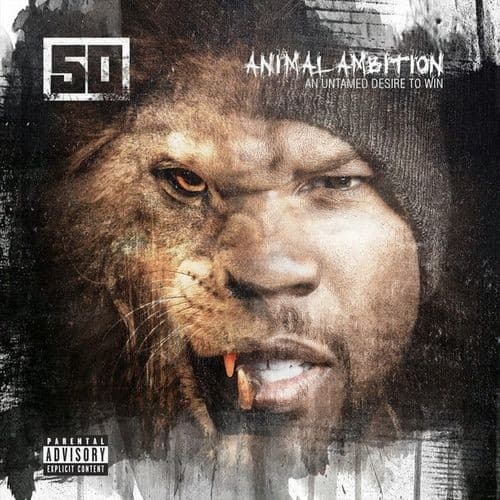
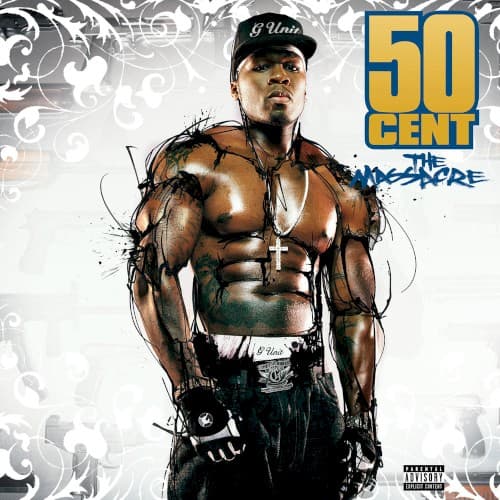
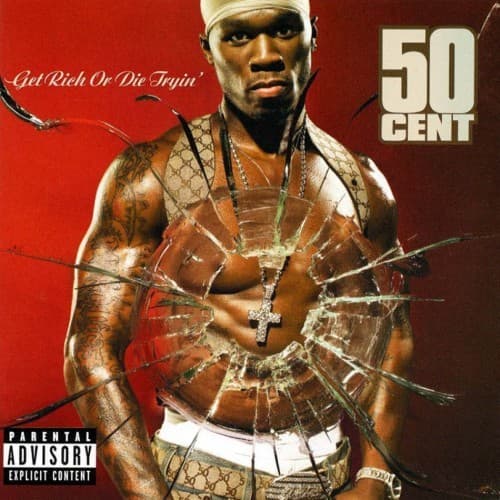
Before I Self Destruct ranks third in 50 Cent's catalog, behind Get Rich or Die Tryin' and The Massacre but ahead of the outright failures Curtis and Animal Ambition. It is not close to either of the top two: Get Rich had vision and hunger, The Massacre had pop instincts that actually worked, and this has neither. What it has is a solid seven-song run that proves 50 could still sound credible when he stopped chasing trends and committed to the grimy street sound that made him, surrounded by nine tracks that prove the industry had broken his ability to self-edit.
The album is for fans who gave up after Curtis and want evidence that the hunger returned, even if only in spurts. It is not for anyone who expects progression or who needs an album to justify its own length. Skip it if you want 50 Cent the pop star or 50 Cent the crossover phenomenon; that artist is dead by 2009 and this album is the funeral. The comeback narrative the marketing sold was real for about twenty-five minutes.
Start with Death to My Enemies, Psycho and So Disrespectful to hear the album at its focused best, then decide if the other thirteen tracks are worth the diminishing returns. If you finish this and want more 50 Cent in this mode, go back to Get Rich or Die Tryin' and remember when the formula was new, or forward to The Lost Tape for loosies where the lack of commercial pressure actually helps. Before I Self Destruct is the sound of an artist who figured out what went wrong with Curtis but could not figure out what to do next, so he went backward and hoped nobody would notice the culture had left him behind.
Track by track
Track Listing
The Invitation
StandoutA serviceable album opener that sets the tone without wasting time on skits or false drama. 50 returns to threats and street posturing over a minimal Ty Fyffe beat built on bass and snares, the production stripped down enough to let the aggression feel real rather than theatrical. The writing is basic but focused: he is back, he is hungry, he will crush anyone in the way. It works as a mission statement for the first third of the album even if the second two-thirds ignore it completely.
Then Days Went By
StandoutThe album's first real song, built on a flipped Michael Jackson sample of Ain't No Sunshine that Lab Ox chops into a melancholy minor-key loop. 50 reflects on the come-up, the losses, the distance between where he started and where he landed, delivering one of the album's few attempts at introspection. The nostalgia plays better than the threats because it feels specific to his story rather than recycled from the formula. The production carries the track when the writing gets vague, the sample doing emotional work that 50's verses only gesture toward.
Death to My Enemies
StandoutThe album's best song, proof that Dr. Dre still knew how to make 50 Cent sound like a credible threat in 2009. The beat is brooding and minimal, built on ominous synth pads and a bassline that never resolves, every element designed to let 50's voice sit at the center of the mix. The writing is still just threats, but the delivery is focused and the production is menacing enough to make the formula work. Mark Batson's co-production adds texture without cluttering the low end. This is what the entire album should have sounded like.
So Disrespectful
SolidTha Bizness delivers a hard trunk-rattle beat and 50 uses it to attack every target available: rivals, critics, rappers who fell off, anyone who doubted the comeback. The aggression is relentless but one-note, three and a half minutes of insults without variation or wit. It works as a banger if you are in the mood for blunt force, but there is no craft here, just volume. The beat does most of the work and the writing coasts on attitude rather than specifics.
Psycho
StandoutThe Eminem collaboration and the album's only moment of real verbal skill, though it comes from the guest verse rather than the host. Dr. Dre's beat is eerie and disorienting, built on horror-movie piano stabs and a bassline that keeps the tension high. 50 handles the first verse with standard threats about guns and bodies, competent but unmemorable. Eminem takes the second verse and shows what the beat actually demands: rapid-fire wordplay, shifting cadences, internal rhymes that justify the multiple listens. The contrast is brutal. This is the album's highest peak and its clearest reminder that 50's pen is not what it was, if it ever was.
Hold Me Down
SolidA mid-tempo track aimed at day-ones and ride-or-dies, 50 thanking the people who stayed when the sales dropped and the hits stopped coming. The sentiment is genuine but the execution is rote, every line about loyalty and realness predictable from the first bar. The J-Keys/Team Ready production is clean but generic, the kind of beat that works as background music and vanishes the moment the track ends. It is not bad, just unnecessary, album filler disguised as emotional depth.
Crime Wave
StandoutTeam Demo flips samples from Fabolous and The Barrino Brothers into a gritty street track that closes the album's strong opening run. 50 raps about moving work, dodging cases, the constant threat of violence that defines the life he claims. The energy is still high, the production still raw enough to support the content. This is the last track where the album feels focused on a single idea rather than chasing multiple audiences, and the last track where 50 sounds like he believes what he is rapping about. Everything after this is compromise.
Stretch
SolidThe album's energy starts to dissipate here. Rick Rock's production aims for menacing but lands on plodding, the tempo too slow to maintain the aggression of the first seven tracks but not slow enough to shift into a different mood. 50 raps about the usual threats and flexes, but the conviction is fading, the writing more generic with every bar. It is not actively bad, just the first sign that the album has run out of ideas and is now filling space.
Strong Enough
WeakA sample-heavy track built on Gladys Knight that gestures toward emotion without earning it. 50 asks if his woman is strong enough to handle his lifestyle, the question rhetorical because the answer is always no in these songs. The writing is thin, the hook is weak, and the production from Nascent and QB Da Problem is too busy for the minimal content. It drags where it should build, and it builds toward nothing. Skip it.
Get It Hot
WeakGeneric club filler that sounds like ten other songs from 2009. Black Key's production is competent but unmemorable, all snap drums and synthesizer stabs that could have been on anyone's album. 50 delivers threats and flexes with zero energy, the performance sleepwalking through a verse structure designed for radio that radio never wanted. The album's momentum is completely gone by this point, and this track does nothing to revive it.
Gangsta’s Delight
StandoutHavoc brings boom-bap credibility to a Sugarhill Gang flip that works better than it should. The concept is obvious—rap about gangster shit over Rapper's Delight—but Havoc's production adds enough grime to make the nostalgia feel purposeful rather than lazy. 50's writing is still basic threats and braggadocio, but the energy returns slightly, and the track functions as a brief reminder that the album had a street sound before it abandoned it for singles. Not essential, but a bright spot in a sagging second half.
I Got Swag
WeakDated on arrival. Dual Output flips Willie Hutch and De La Soul into a mid-tempo track about confidence and style, and 50 delivers exactly the kind of empty bragging the title promises. The word swag was already past its peak by late 2009, and nothing about the execution justifies reviving it. The production is decent but wasted on a concept that feels like a label note rather than an artistic choice. This is what happens when an artist chases trends he does not understand.
Baby by Me
SolidThe lead single and the album's most transparent crossover attempt, a baby-making slow jam that samples I Get Money in a bid for easy nostalgia. Polow da Don's production is slick and radio-ready, Ne-Yo delivers a competent hook, and 50 raps about wanting a child with a woman he barely describes beyond physical attraction. The song is calculated rather than felt, every element designed for playlist adds and wedding receptions. It peaked at number 28 on the Hot 100 and proved that even obvious singles do not work when the artist's moment has passed. It is fine as background music at a party you want to leave.
Do You Think About Me
WeakA bitter baby-mama diss track that might have worked as a loosie but drags as an album cut. Rockwilder's production is minimal to the point of boring, just drums and bass with no melodic hook to carry the repetition. 50 raps about a woman who had his child for the money and the clout, every line predictable, every grievance aired without insight or wit. Governor provides uncredited vocals that add nothing. The track flopped commercially, peaking at number 7 on the Bubbling Under chart, and listening to it makes clear why. It is mean-spirited without being clever and boring without being brief.
OK, You’re Right
SolidThe album's closer and final Dr. Dre production, a concession to an ex where 50 admits fault without really meaning it. The beat is clean and atmospheric, Dre and Batson layering synths and bass into something that actually sounds expensive compared to the mid-tier beats surrounding it. 50's writing is still surface-level—he admits he cheated, admits he lied, but frames it all as inevitable rather than regrettable. The song works as an album closer because it shifts the mood slightly and because Dre's mix elevates mediocre content. It does not work as emotional resolution because there is no real emotion here, just the performance of maturity. Originally appeared on the War Angel LP mixtape, and it fit better there.
Could’ve Been You
StandoutBonus track. R. Kelly provides a sung hook about survival and paranoia, DJ Khalil and Chin Injeti deliver moody production, and 50 reflects on the violence that could have ended his story at any point. The sentiment is familiar but the execution is more focused than most of the album's second half, Kelly's presence adding melodic weight that balances 50's flat delivery. It works better than several album proper tracks, which raises the question of why it was relegated to bonus status while filler like Get It Hot and I Got Swag made the cut.
Frequently Asked Questions
Is Before I Self Destruct better than Curtis?
What are the best songs on Before I Self Destruct?
Why did Before I Self Destruct sell poorly compared to earlier 50 Cent albums?
Styles