2Pac Me Against the World — The Hunger That Prison Couldn't Kill
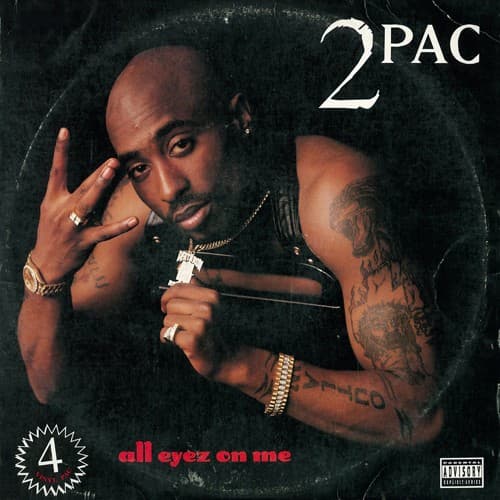
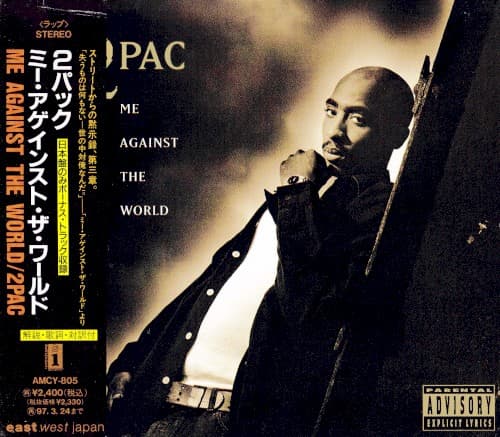
Every best-album list from the mid-nineties starts the same fight: does this belong at the top of 2Pac's catalog or second behind All Eyez? The argument usually splits along generational lines, but the answer matters less than what it reveals about how we measure greatness. Me Against the World arrived while 2Pac was locked up at Clinton Correctional Facility in upstate New York, facing sexual assault charges that would later be overturned on appeal. He recorded most of these songs between court dates and jail stints, racing against a clock only he could hear. The album debuted at number one on the Billboard 200 the same week he was behind bars, making him the first artist to top the charts from a cell. That detail gets repeated so often it loses meaning, but the music itself never does.
West Coast rap was entering its imperial phase. Death Row was printing money, G-funk owned the airwaves, and gangsta rap had become the most commercially dominant sound in American music. 2Pac's artistic evolution had been part of that world on his previous albums, but here he stepped sideways into something more introspective and emotionally raw. The production leans on live instrumentation, soul samples, and minor-key melodies that sound like they were written at three in the morning when everyone else is asleep. Easy Mo Bee, Tony Pizarro, and Shock G handle most of the boards, crafting beats that breathe instead of bang. It is the sound of someone taking inventory before the lights go out.
This is the album where 2Pac stopped performing invincibility and started documenting mortality. He had always been capable of vulnerability, but Me Against the World is the first project where that vulnerability becomes the central thesis instead of a detour. The paranoia is real, the regret is palpable, and the anger is no longer directed outward at enemies but inward at the choices that led him here. It is forty-five minutes of a man trying to make sense of his life before it ends, recorded with the knowledge that it might actually end soon. The urgency is not manufactured. You can hear it in every verse.
Soul Samples and Sleepless Nights
The production on Me Against the World strips away the funk and replaces it with sorrow. Easy Mo Bee anchors several tracks with dusty soul loops and live bass that rumbles low in the mix, creating a sonic foundation that feels more like Mobb Deep than Snoop Dogg. Tony Pizarro brings in the keys, layering Rhodes and strings that sound like they were recorded in a church basement. The beats do not knock as hard as The Chronic or Doggystyle, but they were never supposed to. This is headphone music, late-night music, the kind of production that rewards repeated listens instead of demanding attention on first spin. Shock G contributes his usual melodic sensibility, smoothing out rough edges without sanding down the grit entirely.
2Pac's vocal delivery shifts throughout the record. On some tracks he raps with the same urgency that defined his earlier work, but on others he slows down, enunciates more clearly, and leaves space between lines for the words to settle. His voice carries exhaustion, frustration, and a strange kind of acceptance that was absent from Strictly 4 My N.I.G.G.A.Z. He is no longer trying to convince anyone of his toughness or street credentials. He assumes you already know, and if you do not, he has no interest in explaining. The subject matter revolves around death, incarceration, maternal love, temptation, and the psychological toll of living under constant threat. He raps about paranoia not as a character study but as a daily reality, describing sleepless nights and checking shadows with the matter-of-fact tone of someone reporting the weather.
The album is not flawless. A few tracks feel like filler, moments where the production coasts or the hooks fail to justify their repetition. The sequencing occasionally stumbles, placing introspective cuts next to harder street tracks without enough connective tissue to smooth the transition. Some verses meander, circling the same ideas without pushing deeper into the emotional core. But even the weaker moments carry weight because the performance never feels lazy or phoned in. 2Pac recorded this album like he was writing letters he might not get to mail, and that desperation bleeds through even when the execution falters. The honesty compensates for the occasional structural lapse.
The Long Walk Through Darkness
The album opens with an intro that sets the tone immediately, then drops you into the first stretch of songs about mortality and survival. The early run establishes the emotional palette without overwhelming you with misery, balancing vulnerability with the kind of defiance that kept 2Pac from sounding defeated. The pacing here is deliberate, allowing each track to breathe before moving to the next. You can feel the weight accumulating as the album progresses, each song adding another layer of exhaustion and introspection. The sequencing builds tension without releasing it, keeping you suspended in the same emotional state 2Pac occupied while recording.
The middle section shifts focus slightly, exploring relationships, temptation, and the tension between who he wants to be and who circumstances force him to become. The production lightens in places, offering brief moments of relief before pulling you back into the darkness. This is where the album risks losing momentum, but the performances hold steady even when the beats feel less urgent. The back half doubles down on paranoia and fatalism, closing with tracks that sound like goodbye letters. The sequencing saves the most emotionally direct material for the end, ensuring the album finishes heavier than it started. There is no catharsis, no resolution, just the sense that 2Pac has said what he needed to say and accepted that it might not change anything. The final stretch leaves you exhausted in the best possible way, drained but grateful for the honesty.
The Album That Proved He Was More Than a Controversy
Me Against the World sits near the top of 2Pac's discography, competing only with All Eyez on Me for the title of his best work. It lacks the commercial polish and crossover appeal of the Death Row material, but it compensates with emotional depth and thematic cohesion that his later albums never quite matched. This is the album for listeners who want to understand 2Pac as an artist rather than a symbol, the record that strips away the mythology and reveals the human being underneath. It is not party music, and it is not background noise. It demands attention and rewards patience.
Fans of introspective East Coast rap will find more to appreciate here than fans of G-funk or turn-up records. The production shares DNA with Illmatic and The Infamous, favoring moodiness over bounce and melody over spectacle. New listeners should start with the title track or the closing material to understand what makes this album different from everything else in 2Pac's catalog. The album has aged remarkably well, sounding less like a mid-nineties period piece and more like a timeless meditation on mortality and paranoia that could have been recorded in any era. The themes remain relevant, the production still hits, and the performances feel as urgent today as they did in 1995.
Essential tracks include the title cut, the closing stretch, and the mother tribute that became his biggest crossover hit. Listeners who connect with Me Against the World should explore Nas's Illmatic, Mobb Deep's The Infamous, and Scarface's The Diary for similar explorations of street life through a lens of introspection and mortality. The album's influence can be traced through every confessional rap record that followed, from Kanye's 808s & Heartbreak to Kendrick's good kid, m.A.A.d city. 2Pac proved you could be vulnerable without being weak, paranoid without being cowardly, and honest without losing your edge. He recorded this album like it was the last thing he would ever make, and twenty-nine years later it still sounds that urgent.
Track Listing
Intro
●Thirty seconds of scene-setting that drops you into 2Pac's mental state without wasting time. Spoken-word snippet over minimal production, establishing the album's introspective tone before the first beat drops. Functions as a necessary palate cleanser, preparing you for the emotional weight that follows.
If I Die 2Nite
▲Easy Mo Bee builds the beat around a haunting piano loop and a bassline that sounds like it is descending a staircase in slow motion. 2Pac opens with the premise that tonight might be his last night alive and spends three verses cataloging reasons why that feels inevitable. His delivery is urgent but controlled, spitting multisyllabic rhymes with the precision of someone who knows every word might be his final statement. The hook is simple and repetitive, but it anchors the paranoia without overstaying its welcome. The production leaves space for the lyrics to breathe, never overwhelming the vocal performance with unnecessary flourishes. This is the first full track on the album, and it establishes the emotional stakes immediately. No warm-up, no easing in. Just mortality staring you in the face from the jump. The verse about checking shadows and sleeping with one eye open hits harder now than it did in 1995, given what happened a year later. One of the most immediate and focused songs on the entire record.
Me Against the World
▲The title track is the thesis statement for the entire album. Tony Pizarro crafts a melancholic beat built around a looped soul sample that sounds like it was pulled from a gospel record, with live strings that swell during the hook. 2Pac raps about isolation, betrayal, and the psychological toll of living under constant threat. His voice carries exhaustion here, slowing down the delivery and enunciating more clearly than usual. The verses feel less like performance and more like confession, documenting the mental cost of fame, legal troubles, and street life without dramatizing or exaggerating for effect. The hook is one of his most memorable, simple enough to be quotable but emotionally complex enough to carry weight on repeated listens. The production and vocal performance align perfectly, creating a sonic landscape that matches the lyrical content without feeling heavy-handed. This is the kind of track that defines an artist's legacy, the song that distills everything they were trying to say into four minutes of undeniable clarity. Essential listening.
So Many Tears
▲Easy Mo Bee returns with one of the most beautifully sad beats in nineties hip-hop. The sample flips a Stevie Wonder loop into something that sounds like rain falling on pavement at dusk, with live bass and drums that shuffle instead of knock. 2Pac uses the track to explore grief, loss, and the inevitability of death, rapping about friends who died young and the guilt that comes from surviving when others did not. His delivery is restrained, letting the words carry the emotional weight without over-dramatizing the performance. The verses are dense with internal rhymes and multi-syllabic patterns, showcasing his technical skill without sacrificing clarity or emotional impact. The hook is haunting, built around the repeated question of whether heaven has a place for thugs. The production never rushes, allowing each line to settle before moving to the next. This is one of the most complete songs 2Pac ever recorded, balancing lyrical depth, technical execution, and emotional honesty in a way that few rap songs achieve. It remains a career highlight and a defining moment in nineties hip-hop.
Temptations
▼The weakest link in the album's first half. The production feels generic, lacking the emotional depth or sonic texture that defines the surrounding tracks. 2Pac raps about resisting temptation and staying focused, but the verses meander without building toward a clear payoff. The hook is forgettable, neither catchy enough to justify repetition nor thematically strong enough to anchor the song's message. The beat plods along without creating momentum, and the overall execution feels rushed compared to the meticulous care applied to earlier cuts. Not offensively bad, just forgettable. Skippable.
Young Niggaz
●A shift in tone and energy. The production hits harder here, with a bassline that knocks and a sample that feels more aggressive than introspective. 2Pac addresses younger listeners, offering advice about navigating street life without getting consumed by it. The verses are solid but not exceptional, covering familiar ground without pushing deeper into new emotional territory. The hook is functional but lacks the memorability of the album's best moments. This track serves as a necessary palate cleanser after the emotional weight of the opening stretch, giving the album room to breathe before diving back into darker material. Decent but not essential.
Heavy in the Game
●Richie Rich handles the guest verse here, and his presence disrupts the album's flow more than it enhances it. The production is solid, built around a mid-tempo groove that leans into West Coast aesthetics without fully committing to G-funk. 2Pac's verses are strong, covering the economics of street life and the psychological cost of staying in the game too long. But the track lacks the emotional urgency that defines the album's best material, feeling more like a leftover from an earlier project than a natural fit for Me Against the World's introspective tone. The hook is weak, relying on repetition without delivering a memorable phrase or melody. Not bad, but it feels like filler in the context of the album's larger ambitions.
Lord Knows
▲The production here is gorgeous, built around a haunting vocal sample and live instrumentation that sounds like it was recorded in a cathedral. 2Pac uses the track to explore faith, doubt, and the tension between belief and survival. His delivery is subdued, almost conversational, as if he is speaking directly to God rather than performing for an audience. The verses are introspective without being preachy, acknowledging hypocrisy and moral failure without wallowing in guilt or self-pity. The hook is simple and effective, anchoring the song's spiritual themes without forcing a resolution or offering easy answers. The production never overwhelms the vocal performance, leaving space for the lyrics to carry the emotional weight. This is one of the most underrated tracks in 2Pac's catalog, a moment of genuine vulnerability that gets overshadowed by the album's more famous cuts. Essential for understanding the full scope of his artistry.
Dear Mama
▲The biggest hit from the album and the song that introduced 2Pac to audiences who had written him off as a gangster rapper. Tony Pizarro crafts the beat around a Joe Sample piano loop that sounds like sunrise after a long night, warm and redemptive without being saccharine. 2Pac uses the track to document his relationship with his mother Afeni Shakur, acknowledging her struggles with addiction and poverty while expressing gratitude for the sacrifices she made to raise him. The verses are dense with specific details, grounding the tribute in concrete memories rather than generic praise. His delivery is tender but never soft, maintaining the edge that defined his earlier work while allowing vulnerability to take center stage. The hook is one of the most memorable in hip-hop history, simple enough to sing along to but emotionally complex enough to carry weight on repeated listens. The production and vocal performance align perfectly, creating a song that works as both a personal letter and a universal anthem. It remains his most commercially successful and culturally significant track, crossing over to pop radio without compromising artistic integrity. A masterclass in emotional honesty and technical execution.
It Ain't Easy
●A smooth mid-tempo cut built around a soul sample and live bass that grooves instead of knocks. 2Pac raps about the difficulty of maintaining relationships while navigating street life and fame, acknowledging his own failures without making excuses. The verses are solid but not exceptional, covering familiar thematic ground without offering new insight or emotional depth. The hook is catchy enough to justify its repetition, but it lacks the memorability of the album's standout moments. The production is polished and professional, but it feels safe compared to the risks taken on earlier tracks. This is the kind of song that fills space on an album without demanding attention or rewarding repeated listens. Decent but forgettable.
Can U Get Away
▲I heard this song at a house party in Oakland in 1996, coming out of someone's bedroom while the rest of the place was bumping Dogg Food. It stopped me mid-conversation. The production is built around a smooth R&B sample and live instrumentation that feels more sensual than aggressive, creating a sonic backdrop for 2Pac to explore romantic longing and the fantasy of escaping street life with someone who understands. His delivery is softer here, almost crooning in places, showcasing a vocal range he rarely displayed on earlier projects. The verses are introspective and emotionally direct, documenting the tension between desire and reality without forcing a happy ending. The hook is memorable, built around a simple melody that sticks in your head long after the song ends. The production never rushes, allowing the mood to settle and evolve over four minutes. This is one of the most overlooked tracks in 2Pac's catalog, a moment of tenderness that reveals a side of his artistry that fans often ignore in favor of the more aggressive material. Essential for understanding his full emotional range.
Old School
●A nostalgic cut that looks backward instead of forward. The production leans into classic soul and funk samples, creating a sonic palette that feels warmer and more optimistic than the surrounding tracks. 2Pac raps about simpler times, childhood memories, and the loss of innocence that comes with age and experience. The verses are well-executed but not groundbreaking, covering familiar territory without pushing deeper into new emotional or thematic space. The hook is solid, anchoring the song's nostalgic tone without becoming cloying or sentimental. This track serves as a brief moment of relief before the album's closing stretch, offering a glimpse of warmth before descending back into darkness. Not essential, but it functions well within the album's larger arc.
Fuck the World
▲The bleakest track on the album. Easy Mo Bee crafts a minimalist beat built around a looped sample that sounds like a music box winding down, with drums that hit harder than anything else on the record. 2Pac uses the track to vent rage, frustration, and nihilism, documenting the psychological breakdown that comes from living under constant threat. His delivery is raw and unpolished, spitting verses that feel less like performance and more like therapy. The verses are dense with anger and paranoia, covering betrayal, legal troubles, and the inevitability of death without offering hope or redemption. The hook is simple and brutal, repeating the title phrase like a mantra. The production matches the lyrical content perfectly, creating a sonic landscape that feels oppressive and claustrophobic. This is one of the most honest and uncompromising tracks in 2Pac's catalog, a moment of complete vulnerability that refuses to soften the edges or provide comfort. Not easy to listen to, but essential for understanding the full scope of his emotional state during this period. A career highlight.
Death Around the Corner
▲The final proper track on the album, and it functions as a closing statement. The production is sparse and ominous, built around a minor-key melody and drums that sound like footsteps in an empty hallway. 2Pac raps about mortality, paranoia, and the certainty that death is coming soon. His delivery is calm but urgent, documenting his mental state without dramatizing or exaggerating for effect. The verses are introspective and fatalistic, acknowledging mistakes and accepting consequences without self-pity or regret. The hook is haunting, built around the repeated image of death lurking just out of sight. The production never overwhelms the vocal performance, leaving space for the words to carry the full emotional weight. This is one of the most chilling and prophetic tracks 2Pac ever recorded, a goodbye letter written a year before his death. It remains a defining moment in his catalog and a powerful conclusion to the album's emotional arc. Essential listening.
Outlaw
▼A posse cut that feels tacked on after the emotional weight of the previous track. Dramacydal and the Outlawz contribute verses, but none of them match the quality or urgency of 2Pac's performance. The production is solid but unremarkable, lacking the emotional depth or sonic texture that defines the album's best material. The verses cover familiar street life themes without adding new insight or pushing the narrative forward. The hook is weak, relying on repetition without delivering a memorable phrase or melody. This track disrupts the album's emotional arc, undercutting the power of the closing stretch by adding an unnecessary crew anthem after 2Pac has already said goodbye. Skippable.
Dear Mama (Moe Z. mix)
▼A remix that adds nothing essential to the original. The production shifts slightly, incorporating different instrumentation and a slightly faster tempo, but the changes feel cosmetic rather than substantive. 2Pac's vocal performance is identical to the album version, and the remix does not reveal new layers or offer a fresh perspective on the song's emotional core. This feels like a bonus track added to boost the album's commercial appeal rather than an artistic decision. Not bad, but completely unnecessary. The original version is superior in every way.