Scorecard: 6.5/10 · Good
How we score- Writing(25%)
- 7.0
Ambition runs ahead of execution: the domestic moments and historical verses land, but some conceptual tracks meander without the sharpness of Stillmatic.
- Production(25%)
- 6.5
Workmanlike beats that service the rapping but rarely elevate it, with too many tracks settling into mid-tempo sameness across the back half.
- Delivery(15%)
- 7.5
Nas sounds committed and varied, shifting from the measured wisdom of Getting Married to the coiled intensity of Thief's Theme without losing his voice.
- Cohesion(15%)
- 5.0
Sixteen tracks without enough connective tissue: the sequencing sags after Virgo and the runtime feels earned on maybe eleven of them.
- Originality(10%)
- 6.0
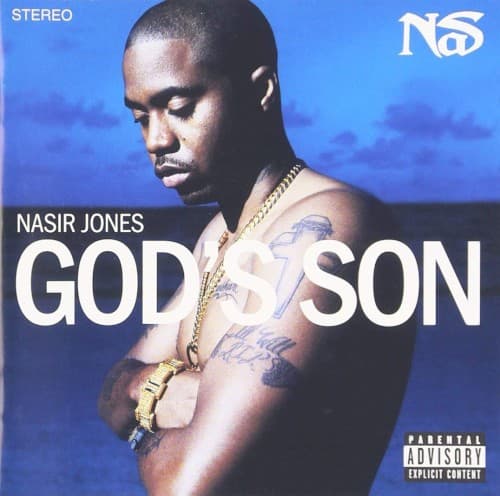
The biographical framework and domestic focus were new territory in 2004, but the execution borrows heavily from the God's Son playbook without sharpening it.
- Replay value(10%)
- 6.5
The high points hold up and the personal tracks age well, but the filler becomes more obvious on repeat and the length becomes a barrier.
Nas Street's Disciple — The Sprawl That Proved Ambition Isn't Editing
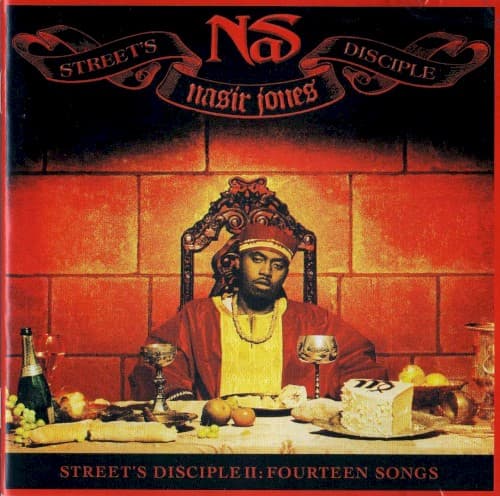
Street's Disciple arrives as Nas trying to do everything at once: the street historian, the family man, the rap scholar, the introspective elder, all within a double album that runs longer than most artists' entire comeback arcs. The thesis here is audible in the split between the two discs and the bifurcated title itself, as if Nas wanted both the gravity of an event record and the loose chronology of a journal. What he delivered was proof that having more to say does not always mean needing more songs to say it. The writing is sharper than on I Am and more varied than on God's Son, but the editing is worse than on either, and the production rarely justifies the real estate it occupies. This is the album where Nas had everything to prove after Stillmatic redeemed him and God's Son steadied him, and he responded by proving he still did not trust himself to leave ten songs on the table.
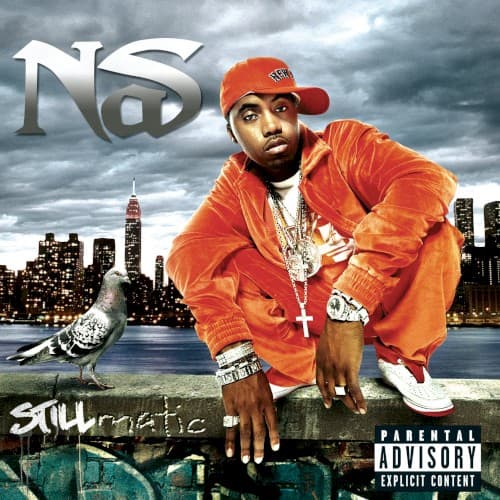
The stakes in 2004 were different than they had been three years earlier. Stillmatic had settled the beef and reestablished the pen; God's Son had shown he could write about loss without falling into sentiment. Street's Disciple needed to show he could build a catalog rather than just recover one. Instead it showed that Nas in album mode still thought in maximum rather than in best, that he valued the attempt at scope over the achievement of focus. The catalog placement is awkward as a result: better writing than I Am, worse sequencing than anything he had done since, and a runtime that makes it harder to return to than records half as long and twice as tight.
The Pen Still Works, The Frame Does Not
The writing across Street's Disciple is Nas at a level he had not sustained since It Was Written, but stretched across twice the number of tracks that level requires. When he commits to a concept he delivers it fully: the verses on American Way and These Are Our Heroes demonstrate the specificity and the structural control that made Stillmatic essential, turning each song into an argument rather than a collection of lines. The problem is not the quality of the individual performances but the assumption that every idea needs a full track. Sekou Story works as a narrative, but it takes four minutes to make a point that a tighter verse could have embedded elsewhere. Reason and Getting Married are domestic portraits that earn their length because the writing is patient and the observations are specific, but they are surrounded by tracks that confuse length with depth.
The production across the album defaults to a mid-tempo soul-sample approach that had worked on God's Son but here becomes a crutch. The beats on Thief's Theme and Just a Moment do what they need to do and then step aside, but too many of the other instrumentals settle into a polite churn that never builds tension or grants release. Suicide Bounce and War sound like they are waiting for a second verse that might justify the runtime; instead they end without having done much beyond exist. The mixing is clean and professional in a way that removes grit without adding clarity, as if the goal was to sound expensive rather than to sound urgent. The result is an album that works on a track-by-track level when Nas is on and the beat holds up, but that does not cohere into a sound or a mood the way Stillmatic did.
The delivery is the most consistent element. Nas shifts cadences across the album without losing the voice, moving from the conversational pacing of Bridging the Gap to the rhythmic pocket of U.B.R. without sounding like he is working. The problem is not the rapping but the amount of it: by track twelve the flow has not varied enough to justify the number of verses, and by track sixteen the album has long since made its points. The guest contributions are minimal and the hooks are functional, which puts all the weight on Nas to carry seventy-plus minutes of music with his voice and his pen. He does it more often than not, but the few times he does not, the filler becomes obvious.
A Double Album That Peaks in the First Half
The sequencing front-loads the album with its best writing and then drifts into a back half that never recovers the focus. The opening stretch builds the argument for the album: six tracks in a row where the concepts are clear, the writing is specific and the production serves the rapping without getting in the way. The peaks arrive early, the two songs where the beat and the verse are built for each other and the length feels earned. After the first third the pacing sags and the album loses its sense of direction, as if Nas had written the opening with a structure in mind and the closing run as a journal he decided not to edit.
The problem is not that the back half contains weak tracks but that it contains too many unnecessary ones. The personal moments in the final stretch justify their inclusion, but they are surrounded by songs that feel like they are on the album because they were recorded rather than because they are essential. The flow between tracks is more a matter of what was finished than what was sequenced, and by the closing run the album has already made its case twice over. A ten-track version of Street's Disciple built from the first half and the strongest personal moments from the second would rank among the best Nas albums; the sixteen-track version ranks among the most frustrating.
The Album That Proves Length Is Not Ambition
Street's Disciple sits in the middle of the Nas catalog: better than the unfocused sprawl of I Am, not as essential as Stillmatic or as consistent as God's Son, and nowhere near the tightness of Illmatic or It Was Written. It is the album for listeners who want to hear Nas try everything rather than the album for listeners who want to hear him do one thing perfectly. The writing at its best is as sharp as anything he had done in the 2000s, but the editing at its worst is as careless as his late-nineties work, and the production never rises to justify the runtime. The double album format works against the material rather than for it, turning what could have been a focused statement into a long listen that requires patience the music does not always reward.
Start with Thief's Theme, Just a Moment and American Way if you want the case for the album; play Getting Married and Reason if you want the personal writing that separates this from the earlier work. Skip the album entirely if you do not have patience for filler or if you need every track to justify its inclusion. For fans working through the catalog, this is the album that shows Nas in transition between the focused hunger of the Stillmatic era and the elder-statesman mode of the King's Disease records, still sharp enough to write at the highest level but not yet disciplined enough to leave the weaker material in the vault. Listeners who want to hear what Nas does when no one tells him no will find it here; listeners who want to hear what he does when the editing matches the writing should go elsewhere. If this album proves anything it is that Nas in 2004 could still write better than most of his peers, but he could not yet build an album as well as he built a verse.
Track Listing
American Way
▲Opens the album with the clearest argument Nas makes across the entire runtime: a verse that moves from systemic critique to personal complicity without losing its thread, built on a beat that stays out of the way and lets the writing do the work. The structure is tighter than most of what follows, each line earning the next, and the delivery is patient enough to let the images land. This is Nas writing at the level that justifies the double album concept even if the rest of the tracklist does not always meet it. The hook is minimal and the production is sparse in a way that would have served more of the album if the rest of the beats had followed the example.
These Are Our Heroes
▲The concept is direct and the targets are specific: a catalog of fallen icons and failed role models that works because Nas names names and cites receipts rather than gesturing vaguely at disappointment. The verse structure is clean, moving from athlete to entertainer to politician without losing momentum, and the tone is measured frustration rather than performative anger. The beat is workmanlike and the hook is repetitive in a way that starts to grate by the second listen, but the writing carries it.
Sekou Story
●A narrative track that takes its time without earning all of it. The storytelling is clear and the details are specific, but the concept is thinner than the runtime, and by the final verse the point has been made twice over. Nas sounds committed to the material, but the production does nothing to elevate it and the sequencing does not justify placing a four-minute story this early in a sixteen-track album. Solid writing in service of a track that should have been trimmed or cut.
Live Now
●The thesis is carpe diem and the execution is exactly what you would expect from that setup: earnest, competent and entirely forgettable. Nas delivers the verses with conviction but the writing lacks the specificity that makes his best work sharp, defaulting instead to broad observations about mortality and time that could have appeared on any introspective rap album from the era. Filler that takes up space without adding much.
Just a Moment
▲One of the two tracks on the album where the beat and the verse are built for each other and the result justifies the runtime. The production is patient and the writing is specific, moving from personal loss to broader grief without losing its grounding in real detail. Nas sounds locked into the pocket here in a way he does not always manage across the rest of the tracklist, and the hook is restrained enough to let the verses breathe. This is the track that proves he could still write at the Stillmatic level when the material and the beat aligned; the problem is how rarely both happen at once across the rest of the album.
Reason
▲A domestic portrait that earns its length because the writing is patient and the observations are specific enough to avoid sentiment. Nas writes about relationships and fatherhood without falling into the generic territory that sank some of the I Am material, and the delivery is conversational without losing the rhythm. The production is understated in a way that serves the content, and the sequencing placement works because it arrives after the more overtly political material and before the album drifts into its weaker back half. One of the strongest arguments for the personal direction Nas was moving toward.
Suicide Bounce
▼A beat in search of a concept and a concept in search of a second verse. The production has energy but no destination, and the writing never sharpens into anything more focused than a mood. Nas sounds like he is working to make the track cohere but the material is not there, and by the time it ends it has not done enough to justify its inclusion. Skip it.
Street's Disciple
●The title track arrives halfway through the album and delivers a thesis that the rest of the tracklist does not always support: Nas as street chronicler and spiritual student, trying to balance the two without choosing one. The writing is stronger than the concept, with specific images that give weight to the abstraction, but the beat is too polite and the runtime too long. A solid track that should have been the anchor for a tighter ten-song album rather than the midpoint of a sixteen-song sprawl.
Virgo
▲The last strong track before the album loses its pacing. Nas writes about women and relationships with more nuance than the typical rap-album love song, avoiding both the misogyny of the street tracks and the sentimentality of the dedications. The writing is observational and the tone is reflective without being soft, and the production gives the verse room to work. After this the sequencing sags and the album stops feeling like it has a plan.
Bridging the Gap
●A generational conversation that works on paper but drags in execution. The concept is solid and the writing is competent, but the track takes too long to make its point and the production never builds enough tension to justify the runtime. Nas sounds engaged but the material does not rise to the level of the better family tracks on the album, and by this point in the tracklist the pacing has already started to sag. Decent but unnecessary.
War
▼A geopolitical track that gestures at complexity without achieving it, relying on broad observations about conflict and power that never sharpen into argument. The writing is vaguer than Nas at his best and the production is leaden, settling into a plodding tempo that makes the runtime feel longer than it is. By the time this track arrives the album has already made stronger political points, and this one adds nothing. Filler.
Getting Married
▲One of the most specific and vulnerable tracks Nas had recorded to this point, writing about marriage and domesticity with a level of detail that avoids both cynicism and sentiment. The verse structure is patient and the observations are grounded in real behavior rather than abstract feelings, and the delivery is conversational without losing the rhythm. The production is understated and the sequencing placement is smart, arriving late enough in the album that the tonal shift does not feel jarring. This is the personal writing that would define the later King's Disease era, still rough but already focused.
No One Else in the Room
▼A love song that falls into exactly the traps that Getting Married avoided: vague sentiment, soft production and writing that could apply to anyone. Nas sounds committed but the material is thin, and the hook is cloying in a way that undercuts the verses. Unnecessary and skippable.
Me & You (Dedicated to Destiny)
▲A dedication to his daughter that works because the writing is specific to her rather than generic to fatherhood. Nas avoids the mawkishness that could have sunk the concept, keeping the tone reflective and the details concrete, and the production stays minimal enough to let the verse carry the track. It is a quieter moment than the album has earned by this point in the runtime, but the writing is strong enough to justify its inclusion even if the sequencing does not.
Thief's Theme
▲The best track on the album and the clearest proof that Nas in 2004 could still write and perform at the highest level when the concept and the beat aligned. The production is lean and the verse is coiled, moving through images of survival and hustling with the specificity and the rhythmic control that made Stillmatic essential. The hook is sharp and the structure is tight, and the sequencing placement at the end of the album gives it the weight of a closing argument even though it arrives after too much filler. This is the track that should have set the standard for the rest of the album; instead it is the exception that highlights how much of the rest of the runtime is not at this level.