The scorecard
6.8/10 · Good
- Writing25%
- 6.5
- Production25%
- 7.5
- Delivery15%
- 6.5
- Cohesion15%
- 6.5
- Originality10%
- 6.5
- Replay value10%
- 7.0
The lyrics trade in drugs, distance and loneliness through short fragments, and while a few lines hit, most lean on style instead of detail, as several critics noted.
Whitearmor handles every track and moves between sparse, airy beats and distorted, noisy ones without losing the album's single, chrome-plated identity.
Lean sings more than ever and the strain is audible, which is brave and sometimes effective but also sometimes simply off-key, and his accent and cadence are the most distinct thing about the performances.
Sixteen songs under five minutes each, all from one producer, give it a sound that holds together, but at least a few tracks are padding.
It pushes the established cloud-rap sound toward harder, distorted, almost industrial trap without breaking from it, which is a real if modest step.
The short songs and strong hooks make it easy to return to, though few tracks reveal much on a closer listen, and this is a projection based on how little the lyrics add.
Yung Lean Starz: A Playlist Built Like an Album
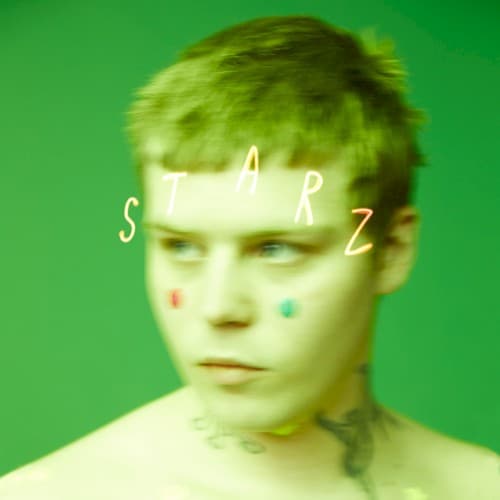
Starz is the most streaming-native record Yung Lean has made, and that is both its strength and its ceiling. It has sixteen songs, almost all under three minutes, one producer from front to back and a rollout that fed fans daily snippets with a visual for each track. It is built to be consumed in pieces and to hold together as a whole, and it mostly manages both. The claim of this review is that the album is more consistent than it is good, and that consistency is not the same thing as depth.
The critical response splits along that line. One Earmilk critic called it likely his strongest and most consistent work, and the Metacritic average of 68 across seven reviews points to a record people liked more than they loved. NME offered the sharpest line on the other side, saying his music has always been more interesting than good, with just enough captivating moments to keep him from feeling played out. Exclaim noted that despite brisk pacing the album still suffers from bloat. That tension, between a smooth, unified sound and a thin set of ideas, is the real subject of Starz.
The moment matters too. The record arrived in the spring of 2020, when a planned tour was cancelled and the rollout moved onto social media and a streamed set from the back of a truck. That context made the album's short, hook-first structure feel almost inevitable, since it was designed for feeds and playlists as much as for a living room. Starz is a confident, handsome and sometimes thrilling record, and the strongest argument for it is also the clearest limit: it is cut from a single cloth, which is exactly why it rarely surprises.
Chrome-Plated Hooks, Distorted Edges, One Producer
The most important fact about Starz is that Whitearmor produced every track, with Yung Sherman helping on a few. That single hand gives the record a sound that is more unified than anything Lean has made, and it shows in the way the beats move between airy, spare arrangements and loud, distorted ones without breaking character. One critic described the effect as industrial trap, and that is a useful shorthand. The drums hit harder, the bass is dirtier and the synths feel colder and more mechanical than on earlier records.
The writing leans on fragments and mood. The lyrics deal with drugs, distance, nightlife and loneliness, and a handful of lines catch an image well. Most simply gesture at a feeling and move on, and the record's thinness shows over sixteen songs. A RapReviews critic made the sharpest version of this point, saying the music relies more on style than substance, and it is hard to argue. There is skill here, but the skill is in the sound and in the hooks, not in the verses.
Delivery is the most interesting variable. Lean sings more than before, and the strain is audible, which Pitchfork read as both brave and strained. Some of the melodies land, with a distinct accent that plays against the expected flow, and some simply do not. It is hard not to admire the ambition, but it is also hard to call every attempt a success. The album's best moments are the ones where the singing and the production support each other, and its worst are the ones where the voice is left alone against a busy beat.
The album's real weakness is length, not time but song count. Sixteen tracks is a lot for a project with this narrow a palette, and a few songs are clearly padding. Exclaim named three that it felt could have been dropped, and the point stands even if the specific list is debatable. Trimmed to twelve, this would be a tighter and stronger record, and its consistency would read as discipline rather than repetition.
Sixteen Short Songs and the Cost of Keeping Going
Starz is sequenced like a playlist that happens to have a fixed order. It opens with its loudest and fastest material, and the first few songs land the sound immediately, with no intro and no warm-up. That is a smart choice for a listener who might skip after thirty seconds, and it is also a good choice for an album, since it sets the tone and the stakes at once. The opening run is the most convincing stretch of the record.
The middle holds the tempo but loses variety. Songs of two to three minutes follow one another with similar drums and similar vocal approaches, and the effect is a steady hum rather than a progression. This is where the length begins to cost something, because the hooks stop arriving at the same rate and the beats stop surprising. No single track is bad, but a stretch of five or six of them feels interchangeable, and the album's momentum flattens.
The late section brings a few of the album's more melodic songs, and it ends with a shorter, softer closing run that gives the record a slightly warmer finish than its opening promised. That is a nice touch, and it gives the sequence a small arc. The title track, which is the longest and the only one with a guest, sits in the middle of the album and acts as its center of gravity.
The length is only partly earned. At a little over forty minutes, the running time is not the problem, but the song count is, because sixteen entries in one mood ask for more variety than the record supplies. The best parts of the sequence are short and forceful, and a few cuts would have made the whole stronger.
More Consistent Than Great, and Still Worth Hearing
Starz is a good album that mostly succeeds at what it sets out to do. Because no other Yung Lean album is rated on this site yet, its place in his catalog cannot be ranked here, and against the wider genre it lands in the good range, with the production well above the writing. Some critics called it his strongest and most consistent record, and on cohesion alone that is a defensible claim. It is a stronger set of songs than a deeper set of ideas.
It is for listeners who like hard-edged, hook-driven cloud rap and who care about sound design more than lyrics. It is also a useful entry for anyone who listens mainly through playlists, since the songs are short and the best ones work on their own. Skip it if you want lyrical detail, a clear point of view or a strong lead voice. Those are the areas where it is weakest, and a cleaner, louder sound does not change that.
It is likely to age as a good example of the 2020 sound rather than as a landmark. The production already feels like a clear snapshot of its moment, and the vocals are an acquired taste that will not win converts. The album's strongest argument for staying power is that its best songs remain easy to return to, while its weaker ones fade quickly from memory.
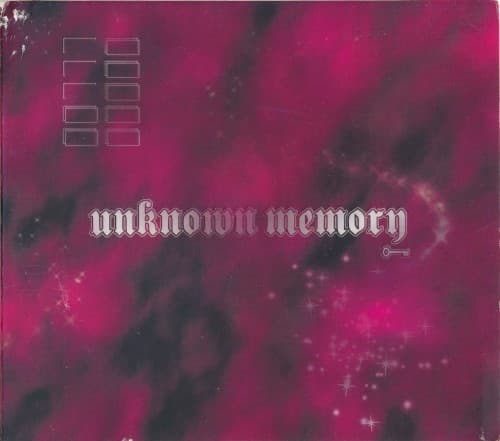
Start with Boylife in EU, the single that set the tone for the project, then Yayo for a sparse, hook-first cut and Butterfly Paralyzed for the fuller, louder end of the sound. If you want the earlier and hazier version of the artist, hear Unknown Memory. The honest summary of Starz is that it is a very well-made record by an artist who still finds it easier to build a mood than to say something inside it.
Track by track
Track Listing
My Agenda
SolidA two-minute opener produced by Whitearmor that critics singled out for its energy and that another critic said could have been cut. The beat is loud and immediate, and it sets the tone, but the song is more of an entrance than a destination.
Yayo
StandoutA sparse, simple track that one critic held up as an example of Lean's gift for fitting a chrome-plated hook onto any beat. The version on streaming is notable because a verse from Playboi Carti was removed after a leak, and the original version stays only on vinyl. Even without it, the song works because the hook is strong and the beat is spare.
Boylife in EU
StandoutThe lead single, released in February 2020, and the song and video were met with acclaim. Whitearmor builds a clean, melodic beat that gives Lean room to sing, and the hook is among the most durable on the album. It is a strong example of the record's best qualities: concise, catchy and lightly sad. The writing is still thin, but the mood is vivid, and the song makes a good starting point for new listeners.
Violence
StandoutA short Whitearmor production that was released as the second single in a version paired with another song from the album. The beat is harder and the vocal more aggressive than on the opener, and it works as a quick burst of energy.
Outta My Head
SolidA compact track from Whitearmor with a steady groove and a hook that does the work. It is solid and easy to enjoy, though it does not stand out from the songs around it.
Dance in the Dark
WeakProduced by Whitearmor and Yung Sherman, and one of the tracks Exclaim felt could have been left off. The beat is competent and the melody is pleasant, but it adds little that the surrounding songs do not already provide.
Acid at 7/11
SolidA three-minute Whitearmor production with a looser, more spacious feel. The title is the album's funniest moment and the track is a mild change of pace, though the writing stays light.
Starz
StandoutThe title track and the only song with a guest, Ariel Pink, over a Whitearmor beat. It is the longest song on the record at just over four minutes, and the extra time lets the arrangement stretch. The guest adds a different color, and the track works as a center of gravity for the album. It is a good example of the project at its most ambitious, even if the lyrics do not quite match the sound.
Hellraiser
StandoutWhitearmor and Yung Sherman produce a faster, rougher cut with more bite than most of its neighbors. It is short and forceful, and it gives the second half a useful jolt.
Butterfly Paralyzed
StandoutA track that one critic described as full to the point of overload, and that is a fair description. Whitearmor stacks the production with layers, and the hook is bright and memorable. It is the loudest and most maximal moment on the record, and it works because the hook holds the pile together. One of the clear highlights and a good representation of the album's more distorted side.
Dogboy
SolidA short Whitearmor cut at just over two minutes. It keeps the tempo and mood steady and is easy to forget.
Iceheart
WeakProduced by Whitearmor and Yung Sherman, and another song Exclaim felt was dispensable. It is brief and competent, but it blends into the stretch around it and adds little.
Pikachu
SolidReleased as a single in full in April 2020, and a short, bouncy Whitearmor track that leans on a playful hook. It is light and catchy, though the writing is the slightest of the singles.
Low
StandoutA slower, more reflective Whitearmor track that begins the album's final stretch. The tempo drop is welcome, and the vocal sounds more exposed, which makes it one of the more affecting moments on the record.
Sunset Sunrise
SolidA short, melodic Whitearmor cut that softens the album's tone toward the end. It is pleasant and unhurried, and it works as a gentle bridge to the closer.
Put Me in a Spell
StandoutThe closing track, produced by Whitearmor, with a warmer and calmer feel than most of the album. It ends the record on a quiet note that fits the mood, even if it does not resolve much.
Frequently Asked Questions
Is Yung Lean's Starz a good album?
Who produced Yung Lean's Starz?
Does Playboi Carti appear on Starz?
Styles