The scorecard
5.9/10 · Mixed
- Writing25%
- 5.5
- Production25%
- 7.0
- Delivery15%
- 5.0
- Cohesion15%
- 6.0
- Originality10%
- 5.5
- Replay value10%
- 5.5
The lyrics circle isolation, status and numbness without landing on a specific image, place or event, and while the vagueness could be read as a deliberate portrait of an emptied-out performer, repeated across thirteen songs it reads as a limit.
Yung Gud, Whitearmor, Yung Sherman and Mike Dean build crisp, glossy beats with deeper bass and sharper drums than Lean's earlier work, though the palette rarely shifts from one song to the next.
Lean's flat, stilted register works on hooks but not verses, with little change in cadence or momentum across thirteen songs, so the guest turns from Bladee, Lil Flash and Ecco2k supply the contrast the lead voice never does.
The roughly forty-minute run is brisk and the first third is strong, but the middle sags into songs that share a tempo and drum pattern and blur together, and the sequence never builds toward anything.
It sharpens the established Sadboys sound toward contemporary trap clarity rather than extending it, so it is a refinement more than a step forward, and the earlier material was rougher but stranger.
The clean production and early hooks should keep a handful of songs useful as playlist picks, but as a projection the thin lyrics offer little to reward close repeat listening.
Yung Lean Warlord: A Cleaner Sound With Less to Say
Warlord sounds better than it plays. That is the judgment this review will defend, and it cuts against the easy story that a second album from a cult figure must be a leap. Yung Lean arrived at this record with a bigger budget, sharper beats and a tighter running time, and the polish is audible from the first minute. What the polish exposes is how little the lyrics and the lead vocal add. The production is crystalline, and the rapper on top of it is still mostly a mood.
That gap is the story of the album. A Crack Magazine critic made the point directly, noting that the instrumentals on songs like Fantasy, Highway Patrol and Afghanistan are crystalline but let down by uninspired lyricism and stilted delivery. A HipHopDX critic was kinder, reading the record as a man already cynical about fame in the binary language of the web. Both readings hold up. Lean's detachment is the premise, and on Warlord the premise has stopped being a surprise.
The album matters mainly because of how it fits the streaming moment. Thirteen songs, most of them between two and a half and three and a half minutes, are built for the way listeners now sample: a hook, a mood, a skip. That structure suits Lean's strengths, since his best material has always been the hook rather than the verse. It also means the album works better as a playlist of favorites than as a continuous listen. Warlord is a competent, handsome record that proves the Sadboys sound could be sharpened, but it does not prove the music had more to say once it was.
Chrome-Plated Beats and a Voice That Stays Put
The production is the album's real asset. Yung Gud is credited on most of the record, with Whitearmor and Yung Sherman sharing many tracks and Mike Dean listed as a co-producer on a couple of songs. Together they favor sparse, glossy arrangements with deeper bass and sharper drums than Lean's earlier work, and the result feels closer to contemporary trap than to the foggy, ambient material that first defined him. The sound is expensive without being generic. It is also fairly uniform, and the palette rarely shifts from one song to the next.
The writing is where the record struggles. Lean's lyrics orbit isolation, status and numbness, but they rarely land on a specific image, a named place or a clear event. A line may gesture at luxury or loneliness and then move on, which gives the songs a vibe but not a point of view. There is a case that this vagueness is the artistic choice, a portrait of a performer emptied out by attention. The trouble is that a choice repeated for thirteen songs stops reading as a choice and starts reading as a limit.
Delivery makes the same argument. Lean sings and raps in a flat, slightly strained register that works well on hooks and badly on verses. He does not shift cadence much, he does not build momentum within a song and he often sounds as though he is following the beat rather than leading it. The guest spots are therefore important. Bladee, Lil Flash and Ecco2k each bring a different texture, and the songs they appear on are among the most varied on the record. That is a quiet admission that the lead voice needs help to hold the listener's attention for the length of a full project.
The tempo choices are smart for the era. Songs are short and hooks arrive early, a structure that rewards casual play and survives being dropped into a playlist. That strategy also hides weaknesses well, because nothing lasts long enough to wear out its welcome. But it limits the album's ambition. There is no moment where a song stretches, takes a risk or lets an idea develop, and the project as a whole feels more like a clean collection than a statement.
Forty Minutes of Skippable Polish
Warlord is sequenced for momentum, and it largely achieves it. The opening runs quickly, with short songs and immediate hooks that establish the sound without wasting time. The first third is the strongest section of the album, and it is where the clean production and the brevity work together. By the time the guests begin to appear, the record has already made its best argument.
The middle is where it starts to sag. Several songs share a tempo, a vocal approach and a drum pattern, and without close attention they run together into a single long track. This is a feature of the streaming-friendly structure as much as a flaw of the writing: when every song is built to be played alone, few of them feel built to follow each other. Nothing in this stretch is bad, but little of it is distinct, and a listener who skips around will not feel anything is missing.
The back end recovers some energy with a longer closing track, which gives the record a slower and more reflective ending than the sprint that precedes it. It is a sensible choice, and it provides the one real change of pace in the running order. A few more of those would have helped. The album's brevity is a strength, and the roughly forty-minute length is earned in the sense that nothing overstays its welcome, but the sequencing never really builds toward anything.
As a playlist, the record is excellent. As an album, it holds together without ever surprising you. Listeners who treat it as a source of five or six strong tracks will come away satisfied, while those expecting a full arc will find a pleasant but flat line.
Handsome, Hooky and Hollow in the Middle
Warlord is a decent record that is easier to admire than to love. Because no other Yung Lean album is rated on this site yet, its place in his catalog cannot be ranked here, and against the wider genre it lands squarely in the mixed-to-good range. The production earns the upper end of that band. The writing and the vocals pull it back toward the lower end, and the scores reflect that split rather than averaging it away.
It is for listeners who want a polished, hook-heavy entry point into the Sadboys sound and who care more about atmosphere than about lyrics. It is also for anyone who listens through playlists, since the best songs work well on their own. Skip it if you want a rapper with a strong voice, vivid writing or an album that develops over its running time. Those are exactly the areas where it is weakest, and a more polished sound only makes the absence more obvious.
How it ages depends on how the sound ages. The production still feels clean and current, and the hooks have survived the novelty of Lean's persona. The lyrics have not gotten any richer with time, and the sense that this is a sketch of a deeper idea has only grown. It remains a competent record with a few durable songs rather than a document that changes how you hear the artist.
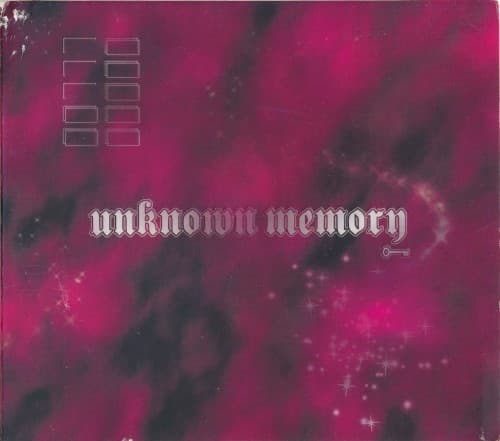
Start with Highway Patrol for the Bladee guest spot and Mike Dean's co-production, Fantasy for its glassy beat and Hocus Pocus for a second Bladee collaboration. If you want to hear where Lean's sound began, go back to his debut Unknown Memory, where the same ideas are rougher but also stranger. The clearest way to describe this album is as the version of Yung Lean that sounds finished and still feels incomplete.
Track by track
Track Listing
Immortal
StandoutA short opener from Yung Gud under two and a half minutes. It sets the glossy tone and gets out of the way, which is a smart way to start a record built for quick sampling.
Highway Patrol
StandoutBladee joins Lean over a beat credited to Yung Sherman, Yung Gud and Mike Dean, and the extra voice changes the texture of the song immediately. It is one of the clearest cases of the album's best moments arriving when Lean is not carrying the track alone. The production is clean and bouncy, and the hook is easy to remember. Critics named this song among the ones where the instrumental outruns the writing, and that is fair, but the combination of beat and guest still makes it one of the record's strongest entries and a good place to begin.
Fantasy
StandoutLil Flash appears on this three-minute track, produced by Yung Sherman, Yung Gud and Karman. The sound is glassy and melodic, and the hook is among the more memorable on the album. Lean's verses are slight, but the song works as a mood piece.
Afghanistan
SolidYung Gud and Whitearmor produce a compact, spacious beat, and the title suggests a heavier subject than the song delivers. It is a good-sounding track with a vague lyrical focus, which is the album in miniature.
Hoover
SolidA short Yung Gud production that keeps the tempo steady without adding much. It is serviceable and easy to forget.
Fire
SolidWhitearmor handles this one alone, and the beat is a little warmer than its neighbors. It is a pleasant change of texture, though Lean's vocal follows the same pattern as everywhere else.
Stay Down
SolidA three-minute track from Yung Sherman and Yung Gud that sits comfortably in the album's default mood. It is solid without standing out, which is the main problem with the middle of the record.
Eye Contact
StandoutWhitearmor produces this slower, longer cut, and it is one of the few songs that allows the mood to stretch. The pacing is welcome, and the lyrics are among the more direct, even if the ideas remain thin.
More Stacks
SolidYung Sherman, Yung Gud and Dean share the credit on a money-themed track that leans on the standard status talk. The beat is solid and the hook is catchy, but the writing is the least distinctive on the record.
AF1s
StandoutEcco2k appears on this track, produced by Yung Sherman and Yung Gud, and his lighter voice gives the song a different color from Lean's. The guest contribution is what lifts it, and it is a good example of how the album uses outside voices to avoid monotony. A pleasant, melodic highlight in the second half.
Hocus Pocus
StandoutBladee returns for a second appearance on a Yung Sherman and Yung Gud production. The chemistry between the two voices is the strongest on the album, and the song is lively without overreaching. It is one of the better arguments that the project is at its best when it shares the spotlight, and it is among the tracks most worth playing first.
Shawty U Know What It Do
SolidThe shortest full song on the album, just over two minutes, produced by Yung Sherman and Whitearmor. It is light and brief, and it feels more like a sketch than a finished idea.
Miami Ultras
StandoutThe longest track on the record, produced by Yung Sherman and Yung Gud, and the closing statement. The extra time lets the beat breathe and gives the album a more reflective ending than its brisk opening. It is the one place where the project slows down on purpose, and the effect is welcome even if the lyrics stay vague.